
Fieldcraft
Birding etiquette around homes and parks
Apply distance, access, playback and privacy boundaries to everyday situations.
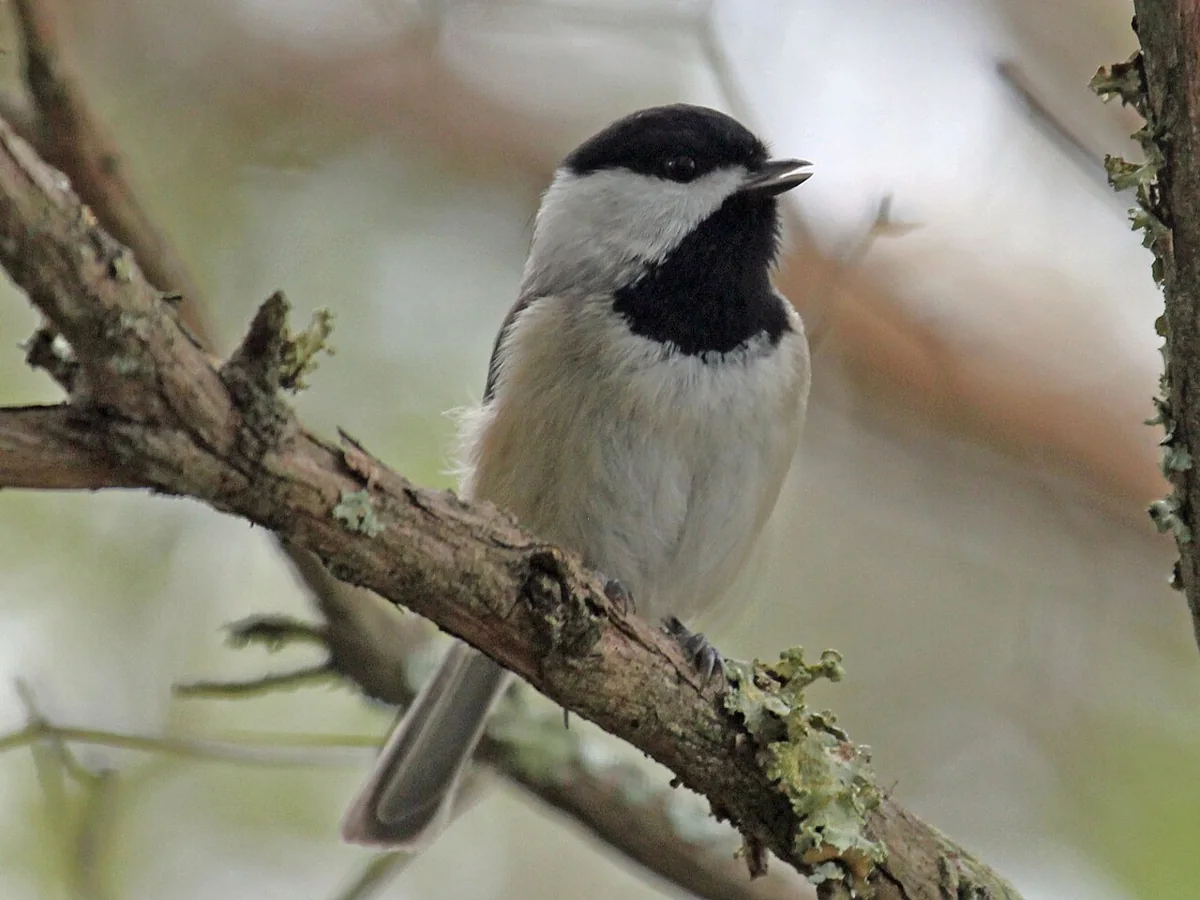
Neighborhood birding places an observer close to other people’s homes, shared paths and birds carrying on their daily activities. Good decisions often happen before an identification. Choose where you can stand, what your presence changes and what information is appropriate to share. The same ordinary park can remain welcoming to birds and visitors when those decisions become part of the observation habit.
The American Birding Association’s ethics code connects bird welfare, habitat, fellow observers and property rights. Apply those principles to the setting in front of you. Local rules and seasonal closures may add specific requirements. A bird visible from a public path can be watched from that path, but its movement across a fence does not extend your access rights.
Let permission determine the route
Imagine a bird landing behind a backyard fence while you are on a sidewalk. Stay in the space you are entitled to use. Avoid leaning over the fence, entering a driveway or pointing equipment toward windows to follow it. If the view ends, the encounter can end too. A private garden can provide habitat without becoming an observation site open to visitors.
If a property owner grants access, clarify where you may go and whether companions are included. Permission for one visit does not automatically cover future visits or a group. Keep vehicles, gates and paths as requested. Share the location publicly only with appropriate permission and after considering the bird’s sensitivity. A welcoming conversation is easier when access expectations are mutually explicit.
Respond to the bird’s behavior
Watch for changes that coincide with your approach. A bird may stop feeding, repeatedly look toward you, move away or give alarm calls. These signs do not tell you everything about its state, but they are reasons to increase space. Avoid approaching in small steps until the bird finally flies, as that treats the strongest reaction as the boundary of acceptable behavior.
Pay particular attention near nesting activity, roosts and concentrated feeding areas. A bird repeatedly carrying food toward one location may need an unobstructed route. Step back or leave rather than waiting close to the destination. Distances depend on species, setting and activity, so a single universal number cannot replace posted buffers, manager guidance and a cautious response to the encounter.
Consider the next observer as well
A brief close view may seem harmless when you consider only your own visit. The same bird could experience many similar visits in a day. Heavily watched locations therefore deserve extra restraint. Keep stops short where needed, avoid encircling a bird and leave an open escape route. The presence of other observers does not establish that their distance or behavior is appropriate.
When you notice a concern, address it calmly if doing so is safe. Describe the behavior or posted rule, suggest more space and demonstrate the alternative. Avoid a confrontation that creates more disturbance. For a serious problem at a managed site, notify the responsible staff through their normal channels. Your immediate task can be to move away and reduce the pressure you control.
Keep shared paths usable
Stop where walkers, wheelchairs, bicycles and other users can pass according to the site’s rules. Tripods and groups can occupy much more space than one observer realizes. Move equipment aside before someone has to squeeze past it. A good view is easier to share when your position leaves room for people with different mobility needs and viewing heights.
If you point out a bird, ask whether the other person wants help and use landmarks they can see. Give everyone time to find the view. Experience levels differ, and a visitor enjoying a walk has the same claim to the public path as someone carrying binoculars. Courtesy supports birding access over time, particularly in small neighborhood spaces with many overlapping uses.
Keep sound attraction out of the starter routine
Listen to recordings privately when learning calls, using headphones or a setting where playback will not attract wild birds. The ABA code urges limits on sound attraction, especially around sensitive species and heavily visited sites. Some land managers impose additional restrictions. Check those rules before using any audio in the field, and choose ordinary observation as the default for an introductory walk.
A bird’s response to a recording is part of a disturbance you created, rather than an undisturbed behavior sequence. Repeatedly provoking a response to secure an identification or photograph can displace normal activity. You can learn a sound by comparing recordings at home and connecting the sound with a naturally visible singer on a later visit.
Protect the setting you came to observe
Stay on established routes where they are provided, and avoid trampling shrubs or ground cover to open a sightline. A small gap can become a worn path when many people repeat the move. Leave branches, nest material and other habitat features in place. Binoculars can improve a distant view without requiring you to rearrange the bird’s surroundings.
Keep pets controlled according to local rules, and pay attention to places where they are excluded. Avoid leaving food or objects to make birds gather for a photograph. Feeding rules vary by site and require their own care considerations. A neighborhood observation session can succeed by watching the resources already present and allowing birds to choose how they use them.
Review the location before you share it
A photograph, map pin or precise note can bring more people to a site. Consider nests, roosting birds, private property and limited path capacity before publishing details. A general description may serve your educational purpose while reducing exposure. If you made a disturbance, move away and adapt the next visit. Ethical observation remains a series of choices you can improve as you learn the place.
When joining an organized walk, learn its access and observation expectations beforehand. Tell the leader if you need a particular viewing position or a slower pace. Shared planning can reduce crowding and repeated movement around one bird, while making the outing more accessible to everyone taking part.
Keep exploring
Your first fifteen-minute bird walk
Run a small observation session with a clear start, route and note.
Set up binoculars before the bird appears
Adjust eye spacing, eyecups, focus and diopter in a repeatable order.
Find the bird before lifting binoculars
Transfer an unaided view to binoculars using landmarks and a steady stance.