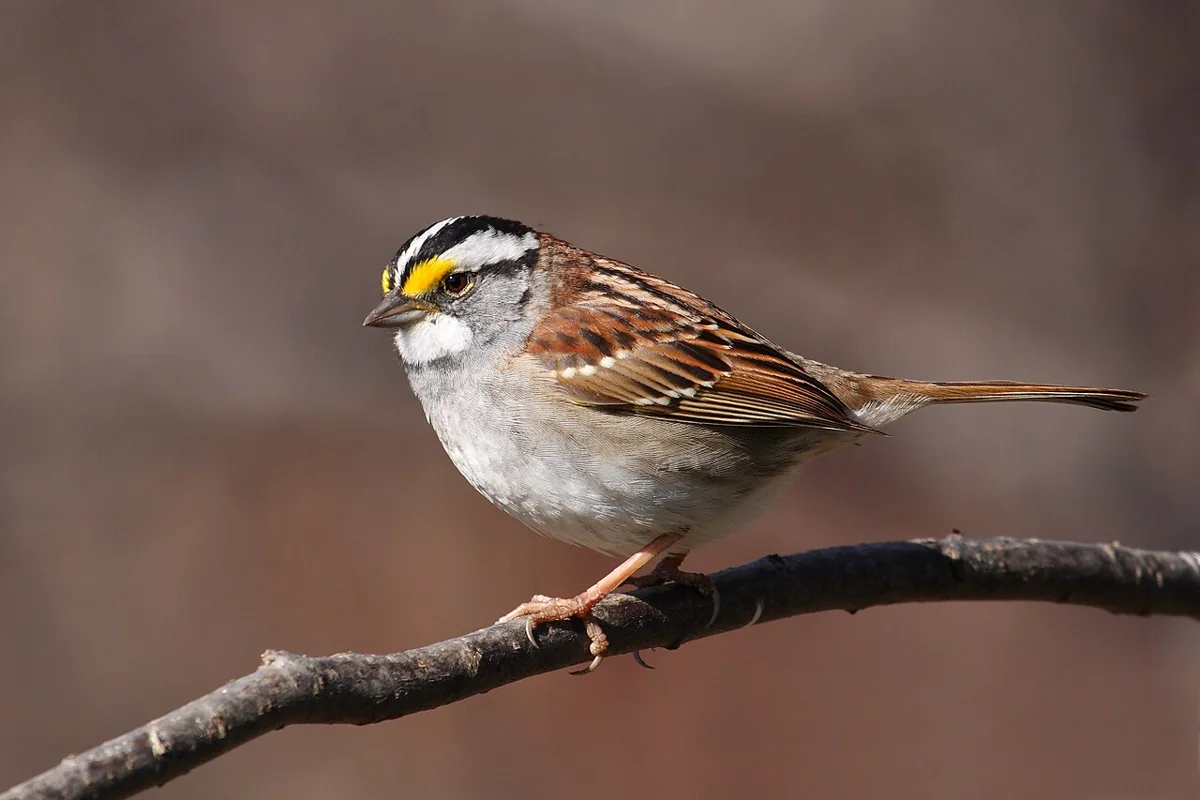
Identification
A practical map of bird head markings
Record eyebrow, eye line, crown and throat as separate observations.
Read the guide → TULIPMANEFIELD GUIDE
GUIDES
Browse all 45 birding guides, from identification to practical field skills.
Identification
Record eyebrow, eye line, crown and throat as separate observations.
Read the guide →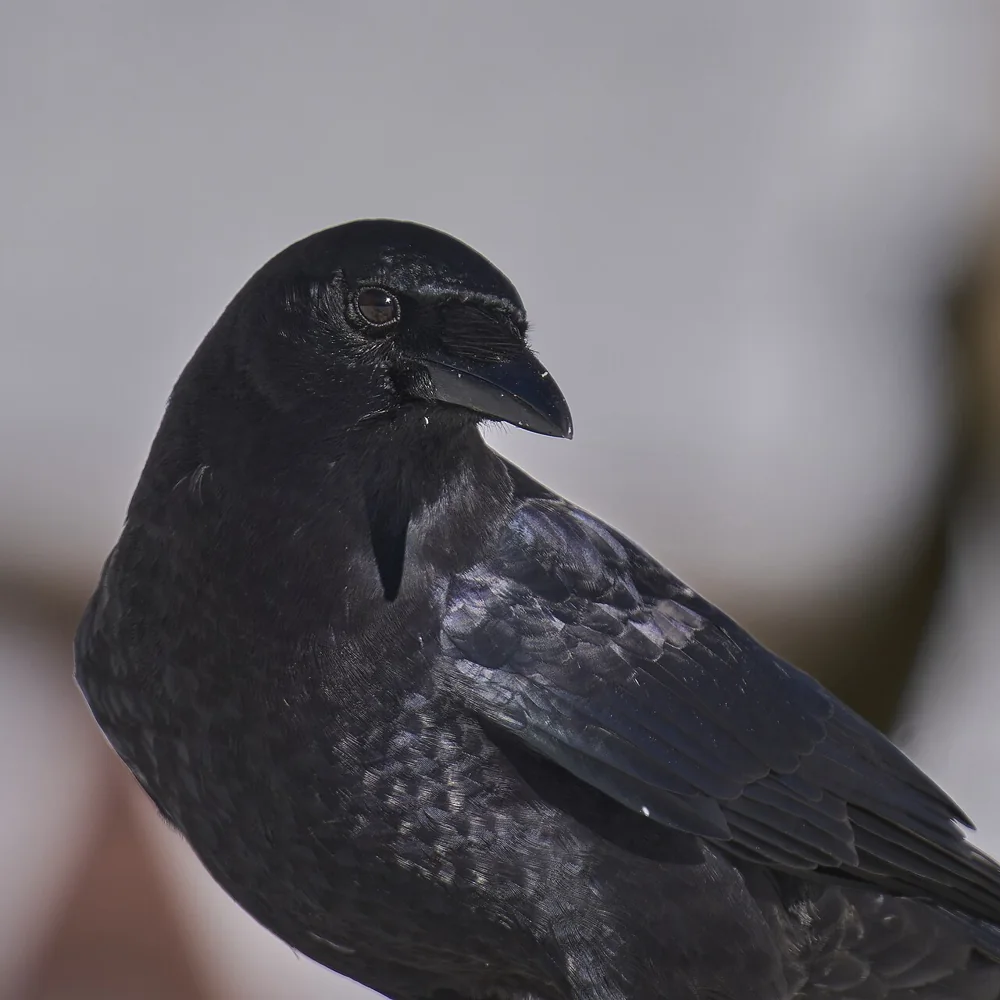
Look-alikes
Combine silhouette, tail, flight and voice without treating one cue as proof.
Read the guide →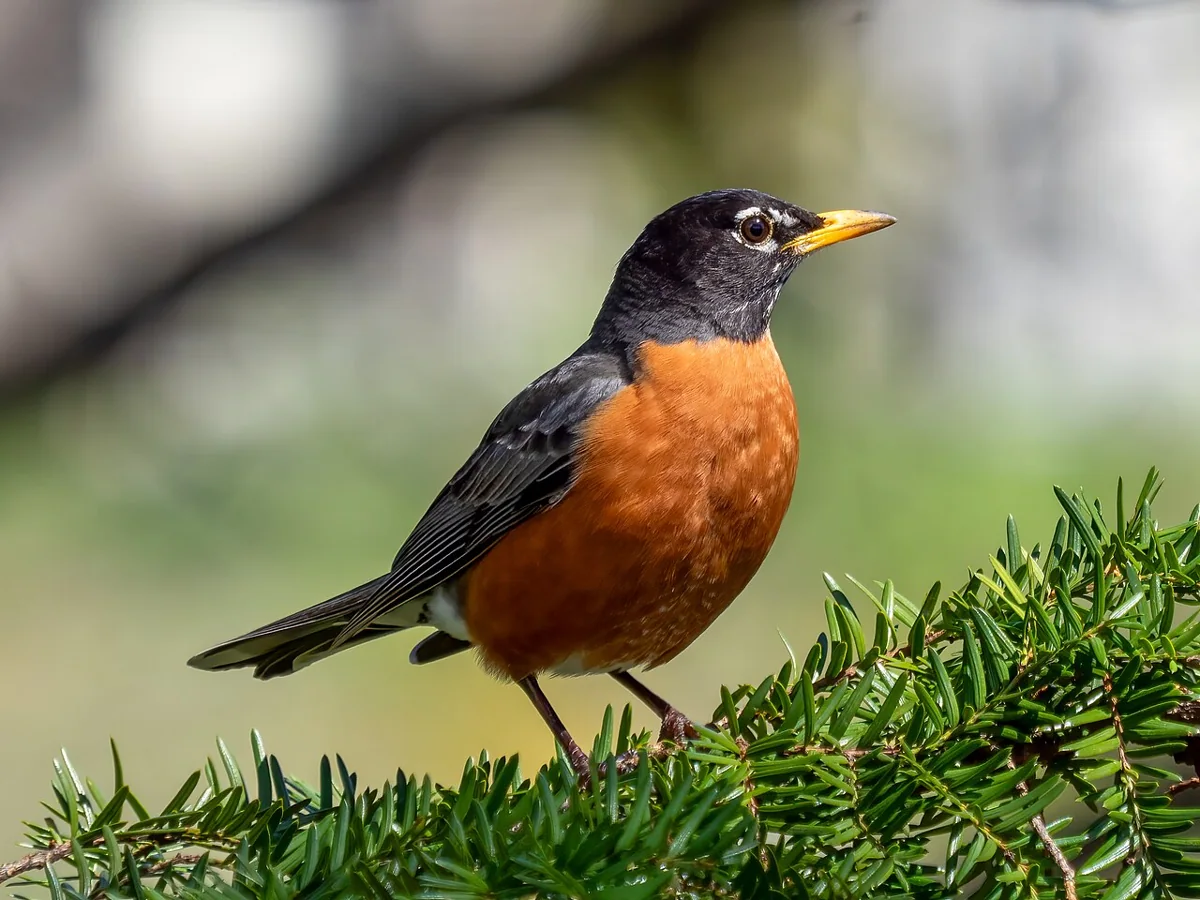
Look-alikes
Separate orange-sided ground birds using posture, bill and color placement.
Read the guide →
Fieldcraft
Apply distance, access, playback and privacy boundaries to everyday situations.
Read the guide →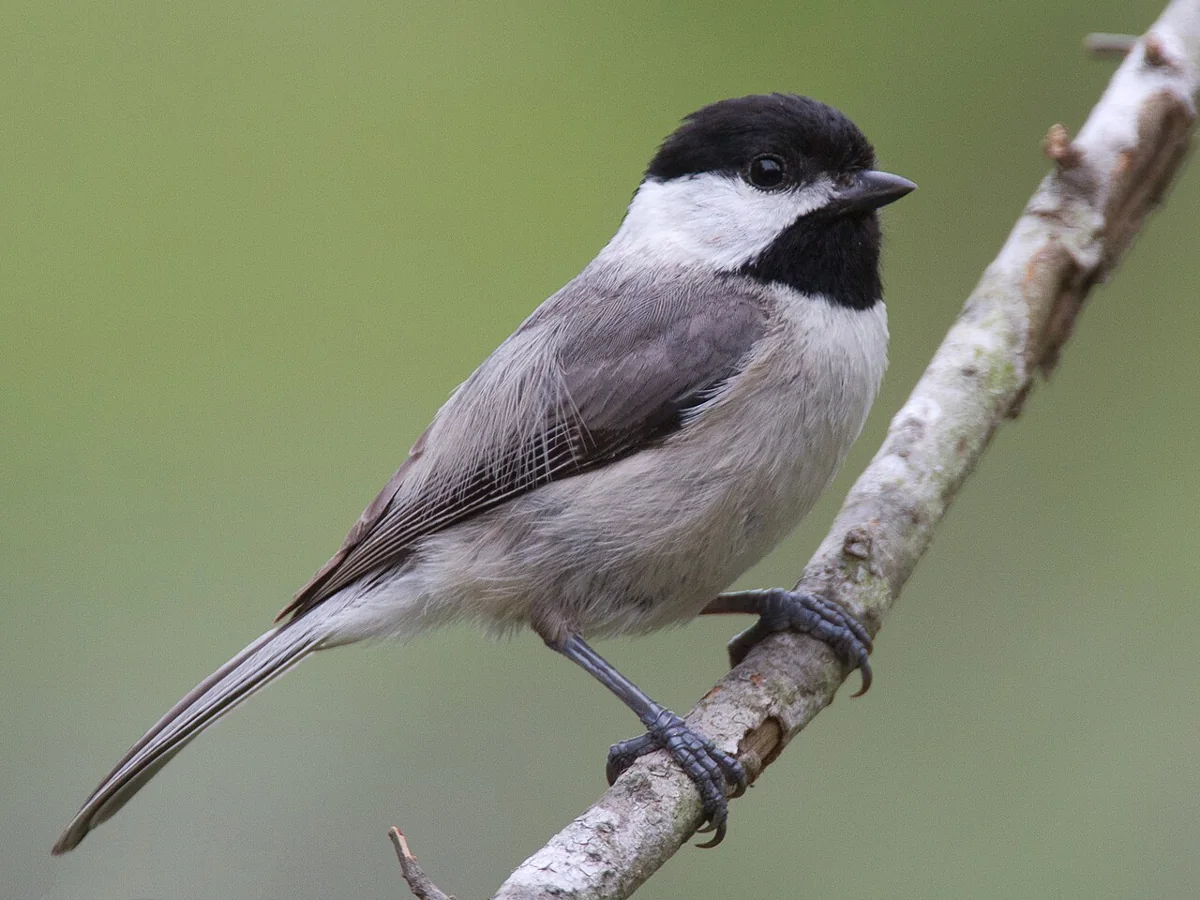
Look-alikes
Understand why range and multiple clues matter in the contact zone.
Read the guide →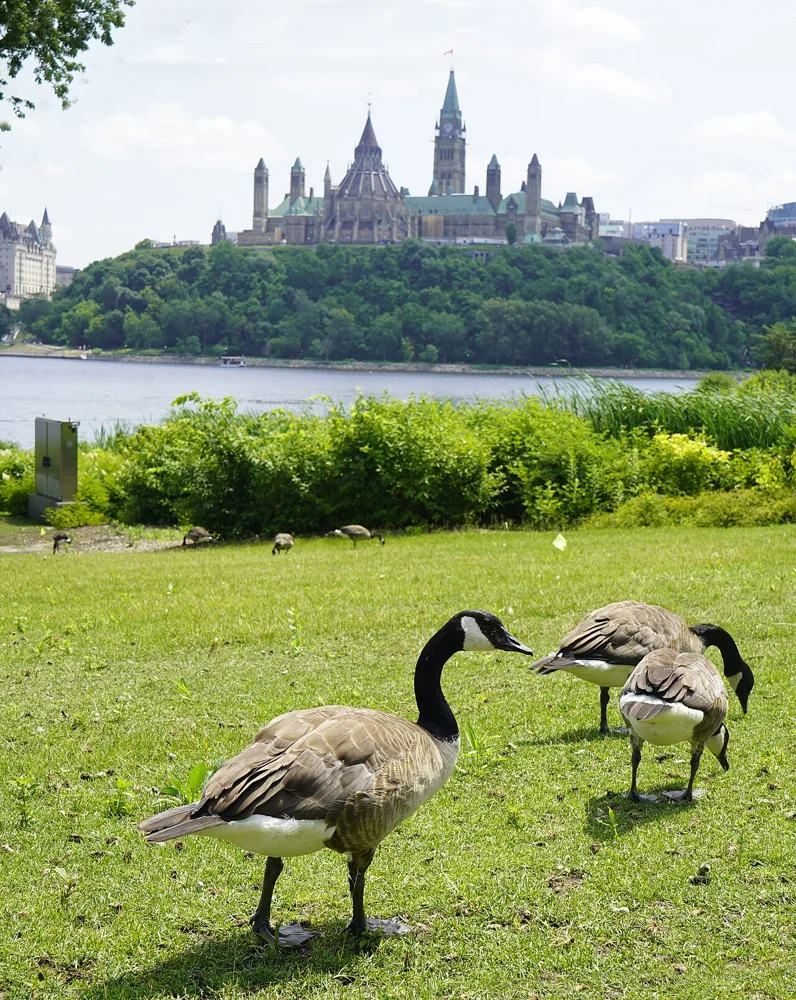
Fieldcraft
Choose an estimate method and record movement and limits.
Read the guide →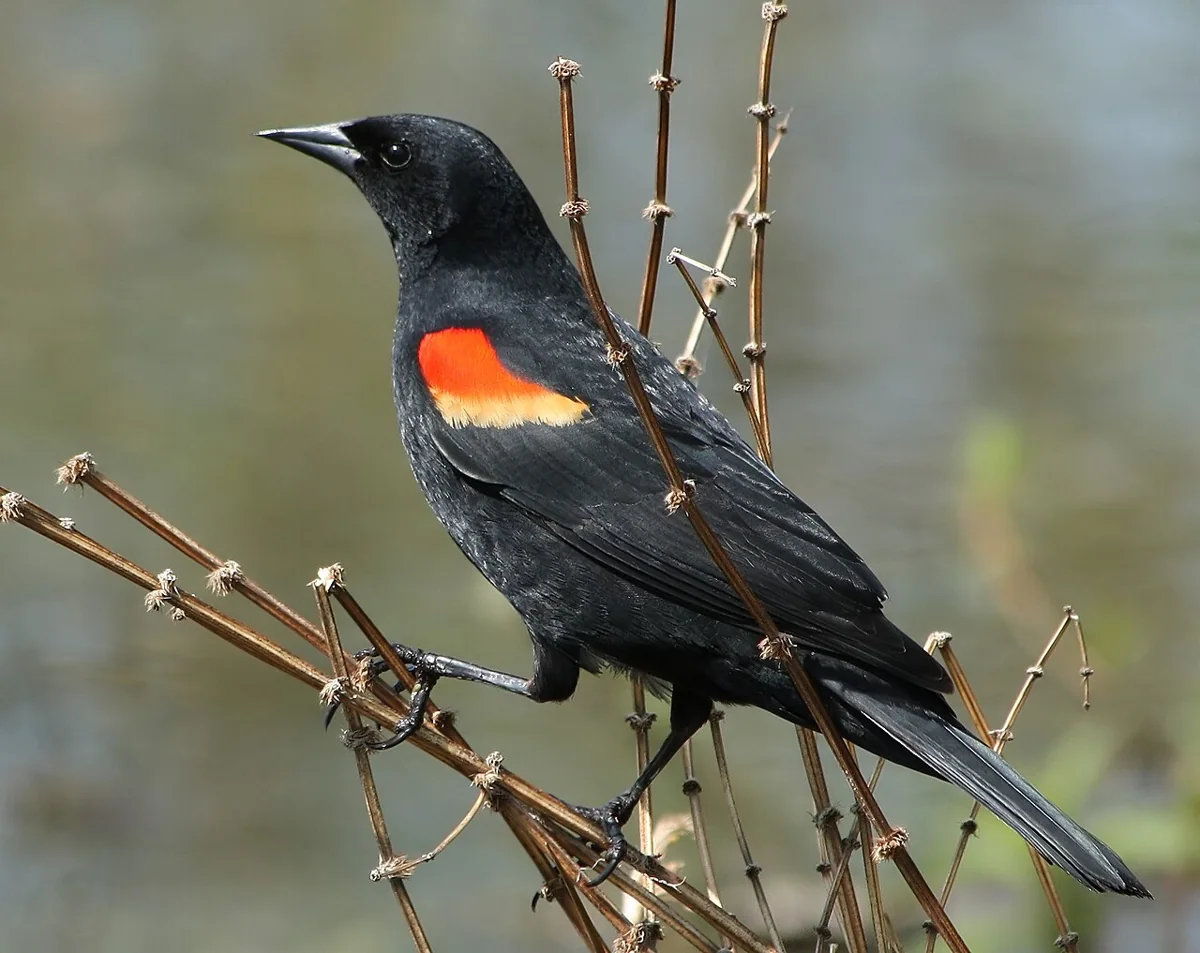
Seasons & habitats
Match timing to species, season and personal access instead of a universal best hour.
Read the guide →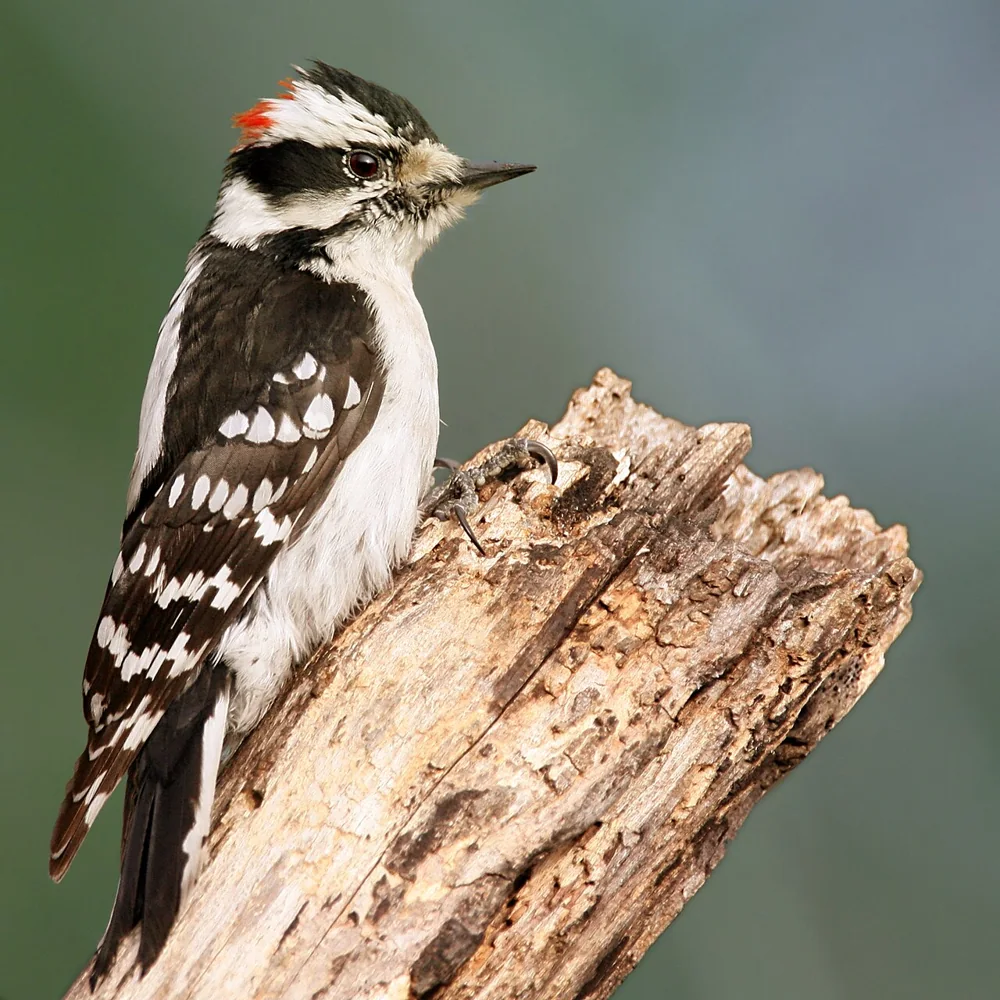
Look-alikes
Use bill proportions and tail evidence when absolute size is unreliable.
Read the guide →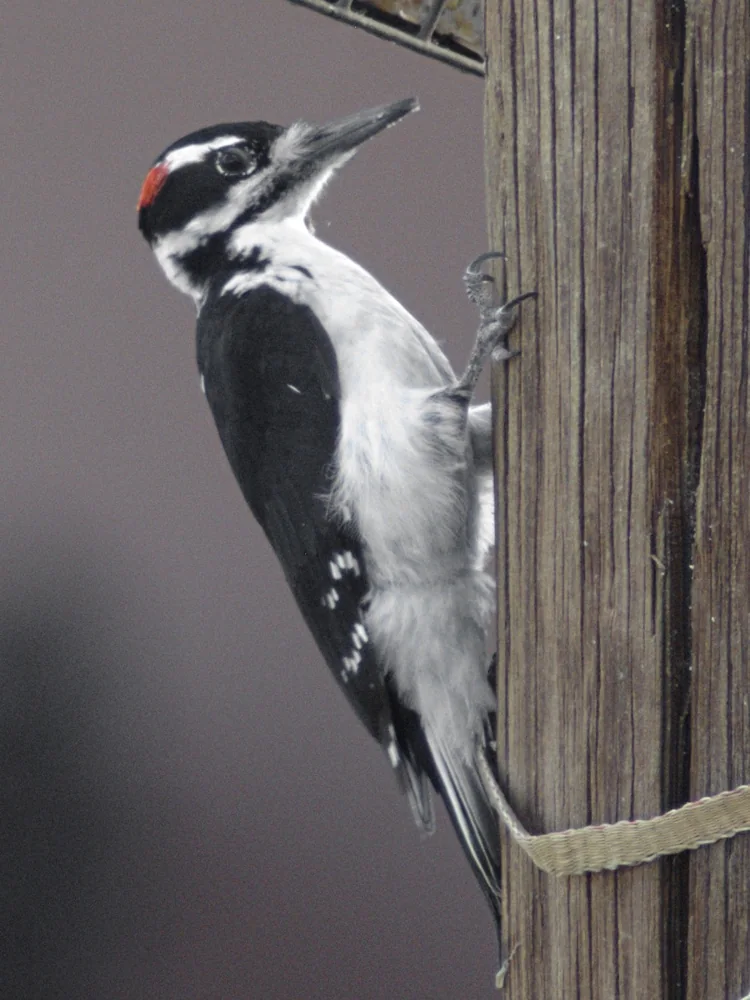
Behavior
Distinguish display drumming from feeding sounds and avoid false acoustic IDs.
Read the guide →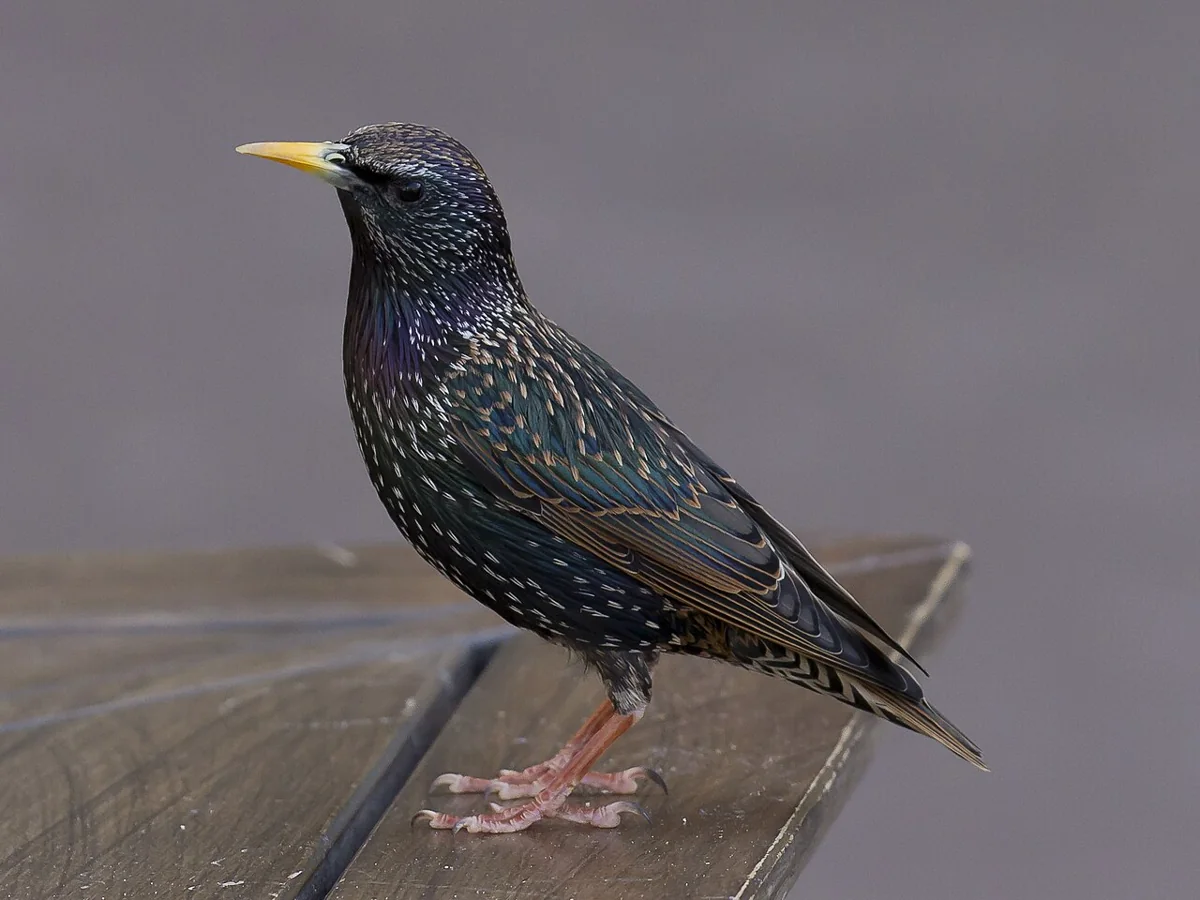
Look-alikes
Read proportions and seasonal plumage before judging glossy color.
Read the guide →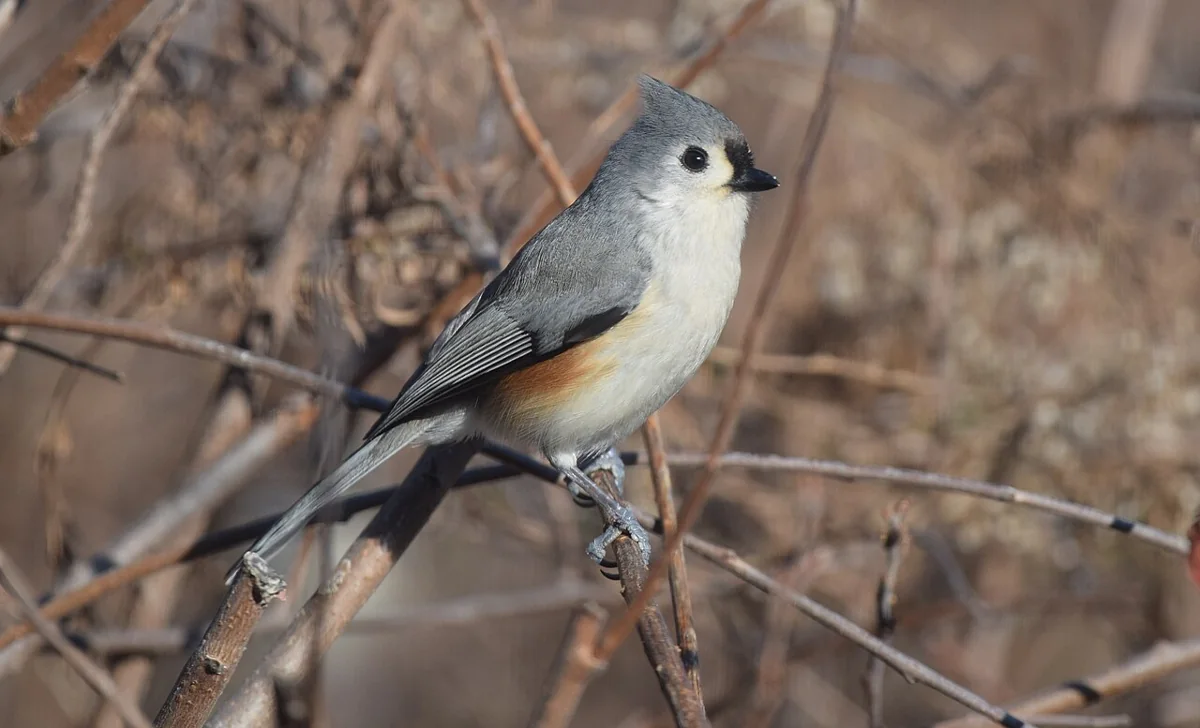
Fieldcraft
Transfer an unaided view to binoculars using landmarks and a steady stance.
Read the guide →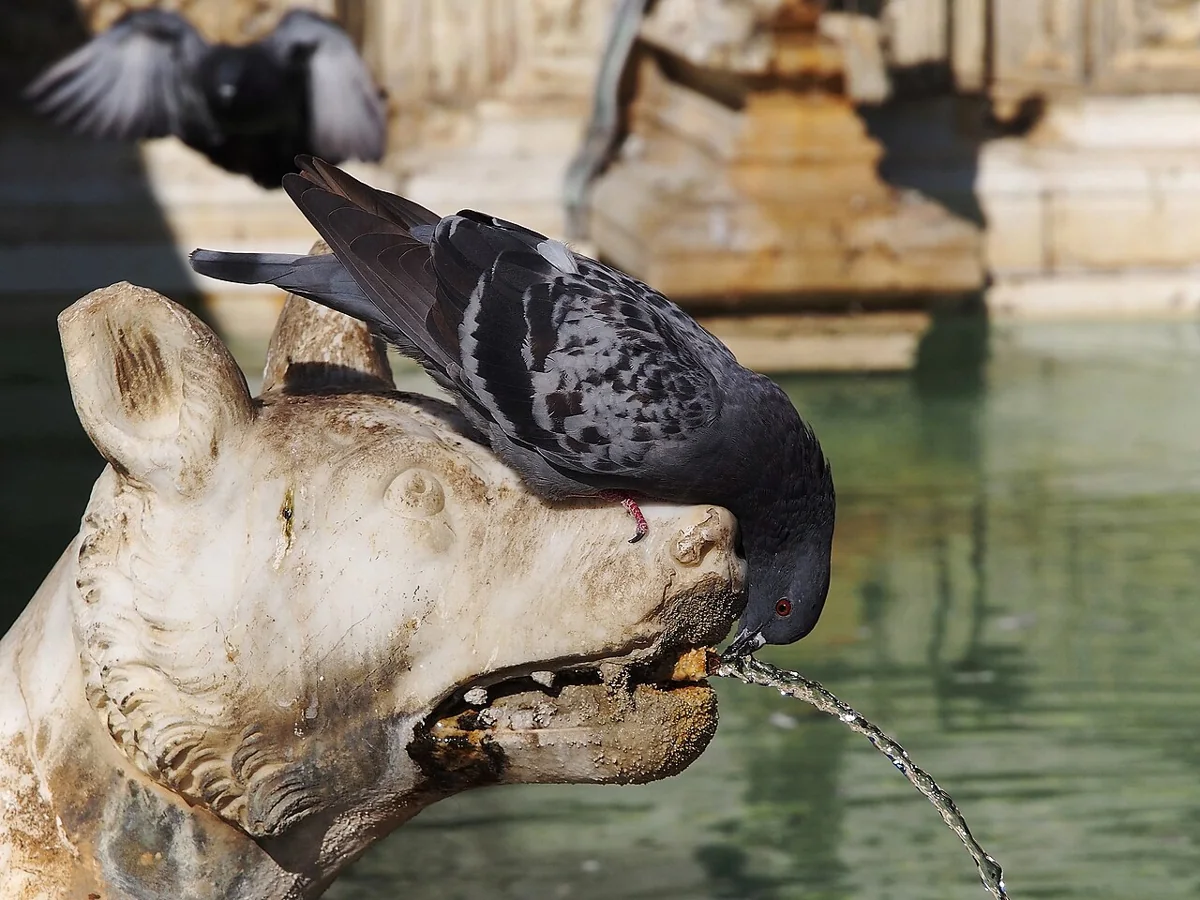
Seasons & habitats
Plan an accessible observation route across lawn, edge and canopy.
Read the guide →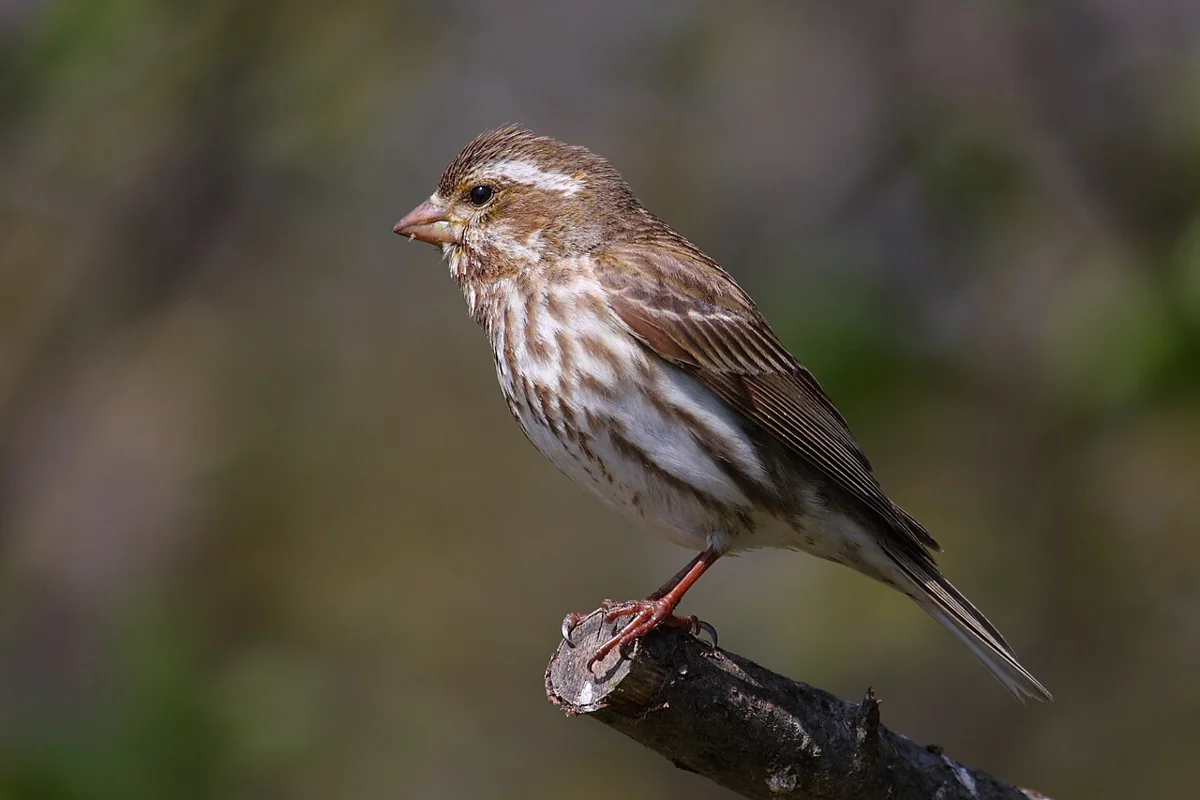
Look-alikes
Compare face, streaks and bill on both sexes.
Read the guide →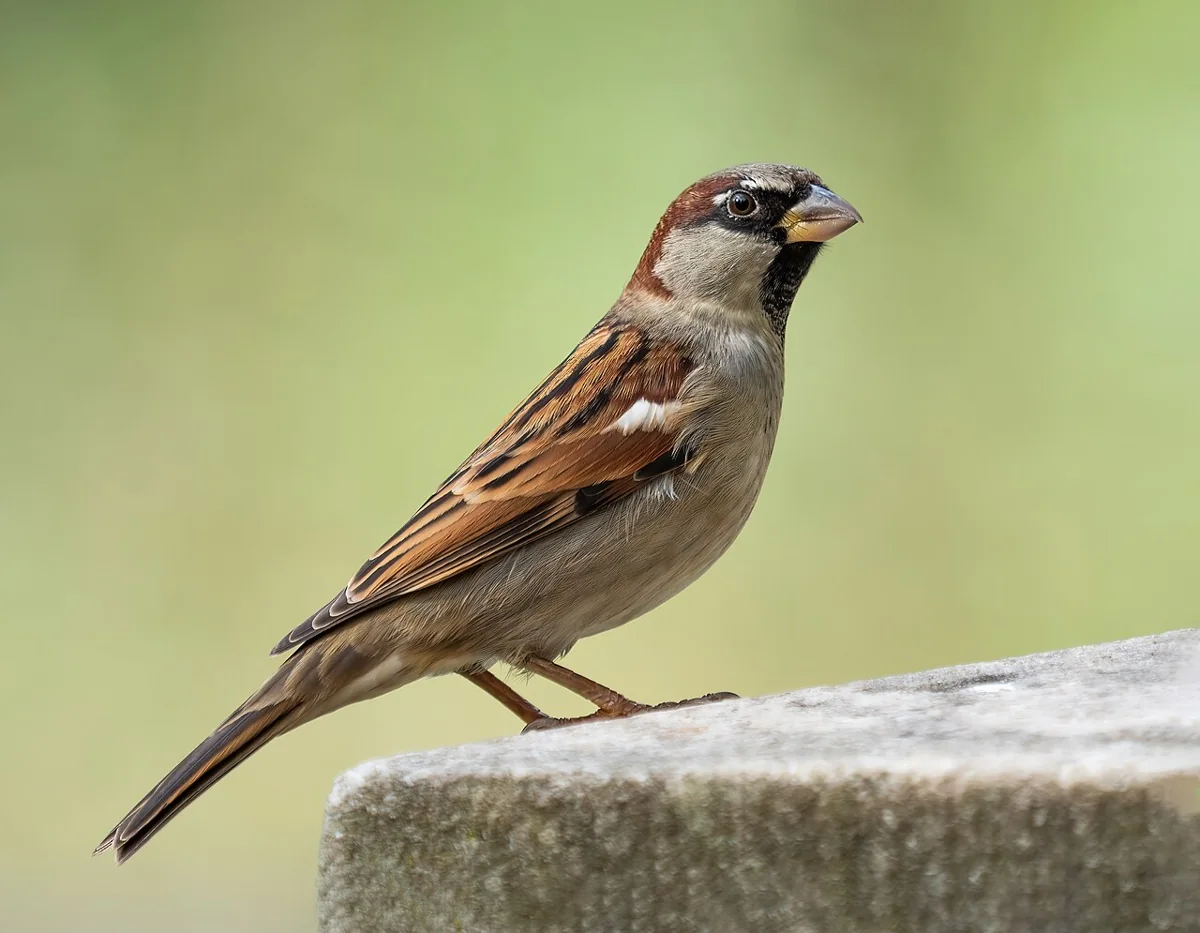
Look-alikes
Sort familiar brown birds by bill, face and underpart pattern.
Read the guide →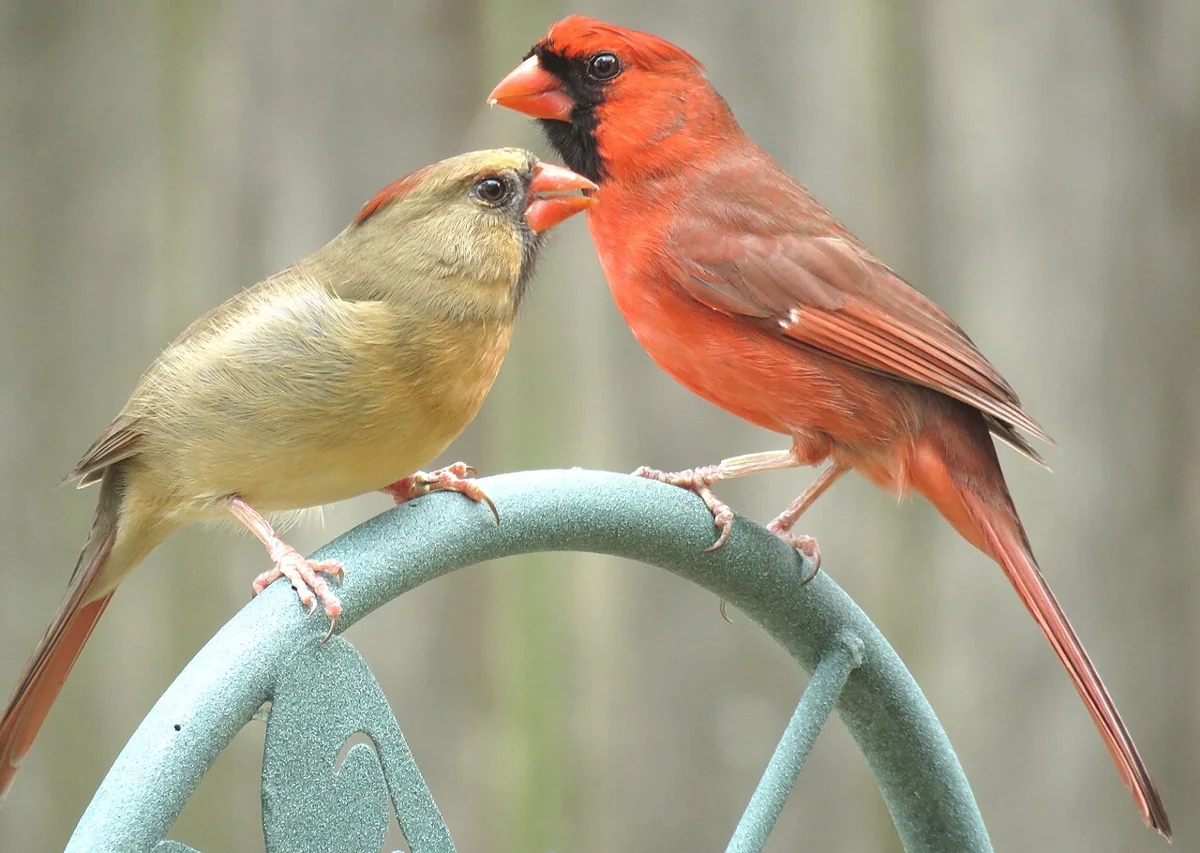
Identification
Compare structure and stable patterns before excluding a less colorful bird.
Read the guide →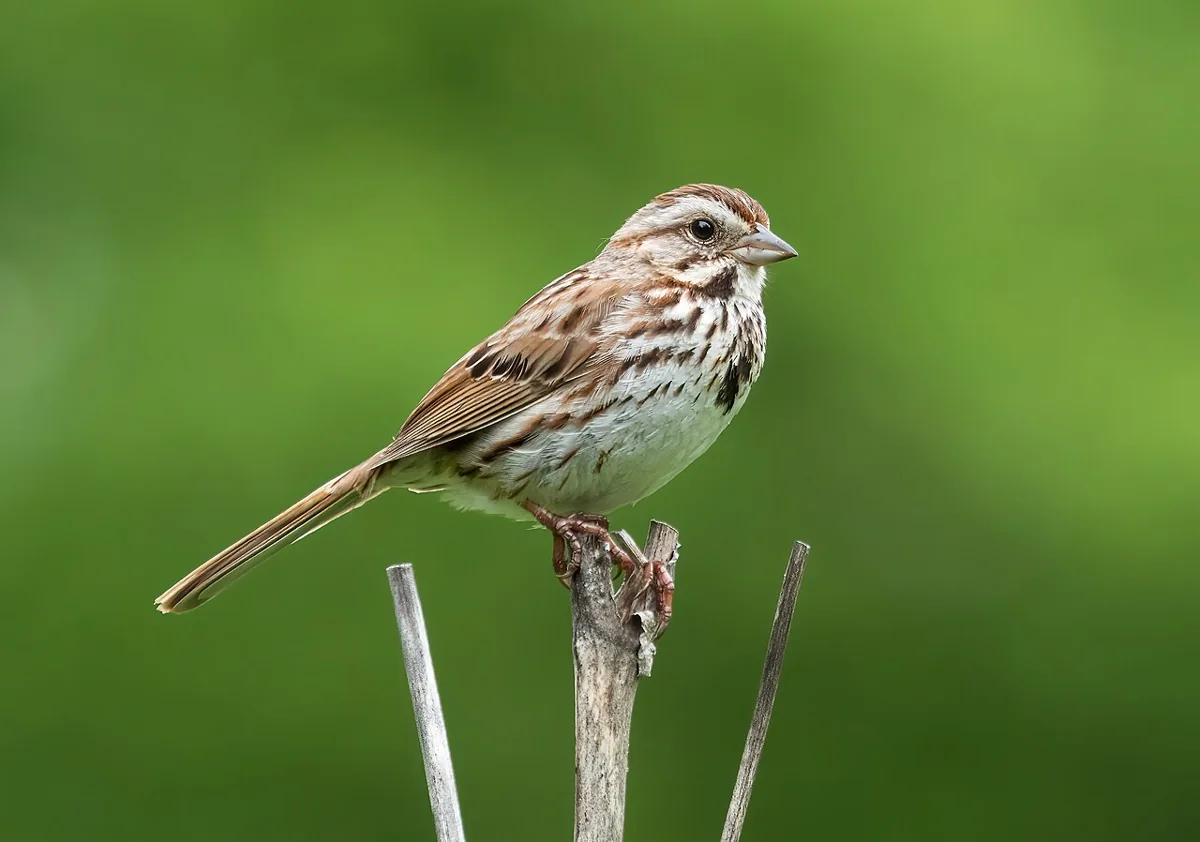
Fieldcraft
Choose an honest label and specify which observation would resolve it.
Read the guide →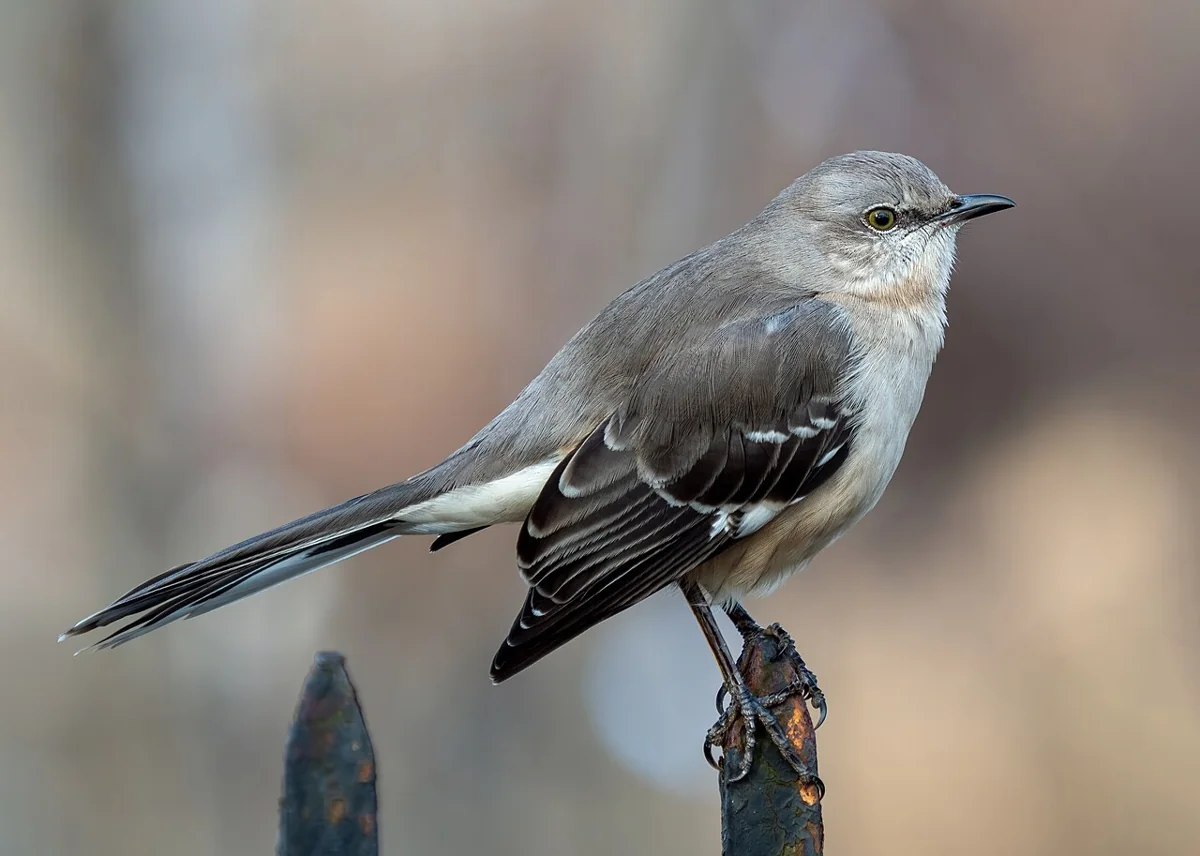
Identification
Build a small verified listening vocabulary without using playback.
Read the guide →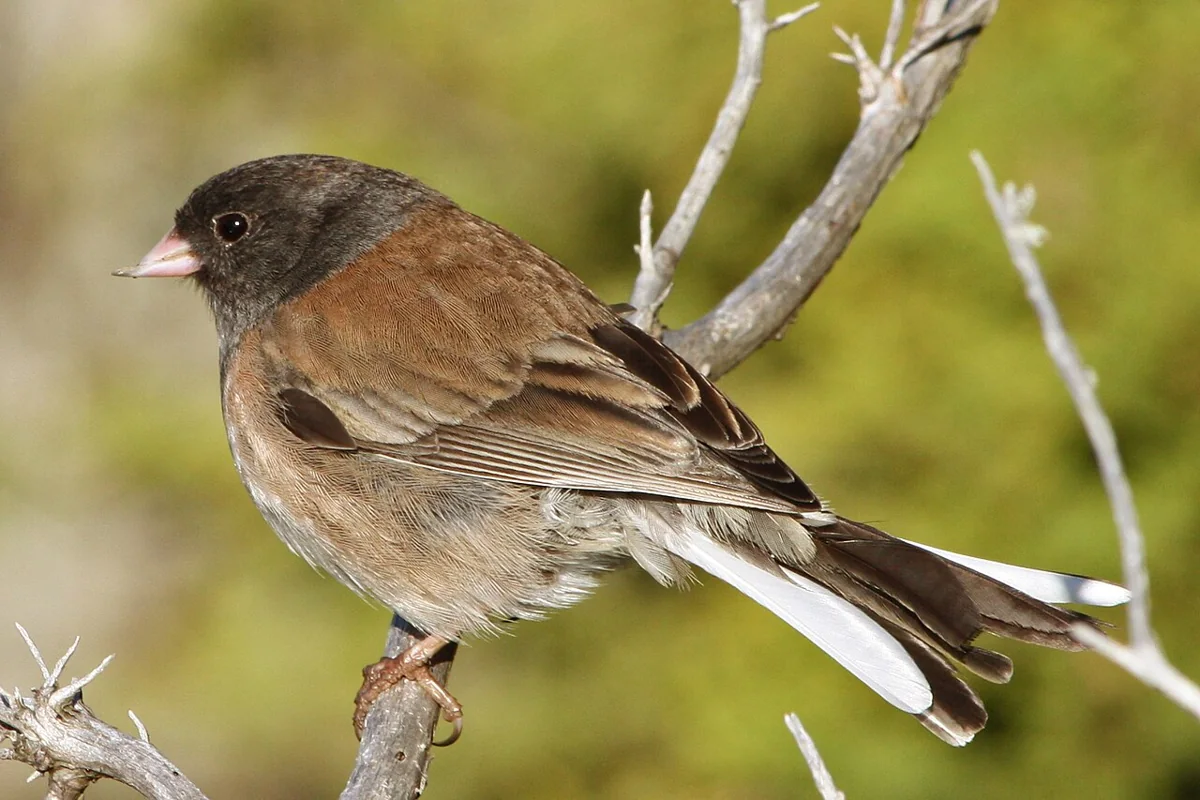
Seasons & habitats
Use sheltered edges and mixed flocks while respecting energy demands.
Read the guide →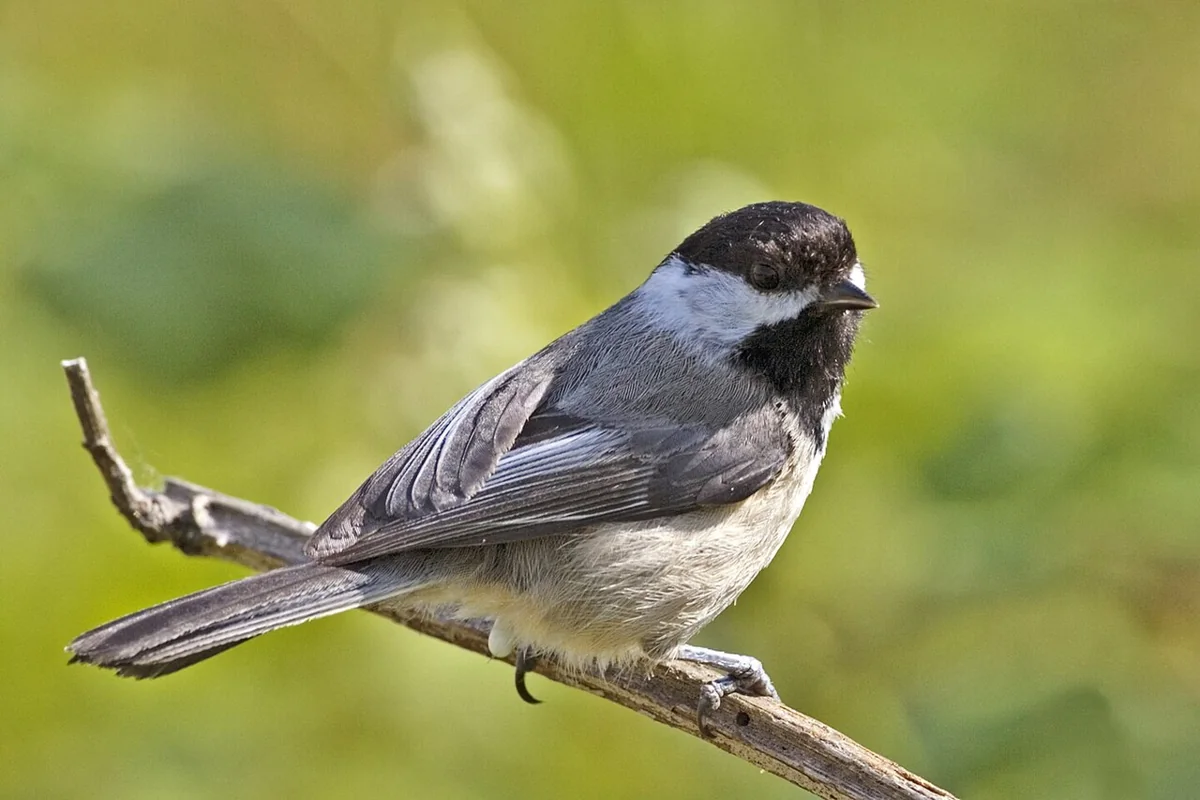
Behavior
Follow movement layers and separate species without chasing the flock.
Read the guide →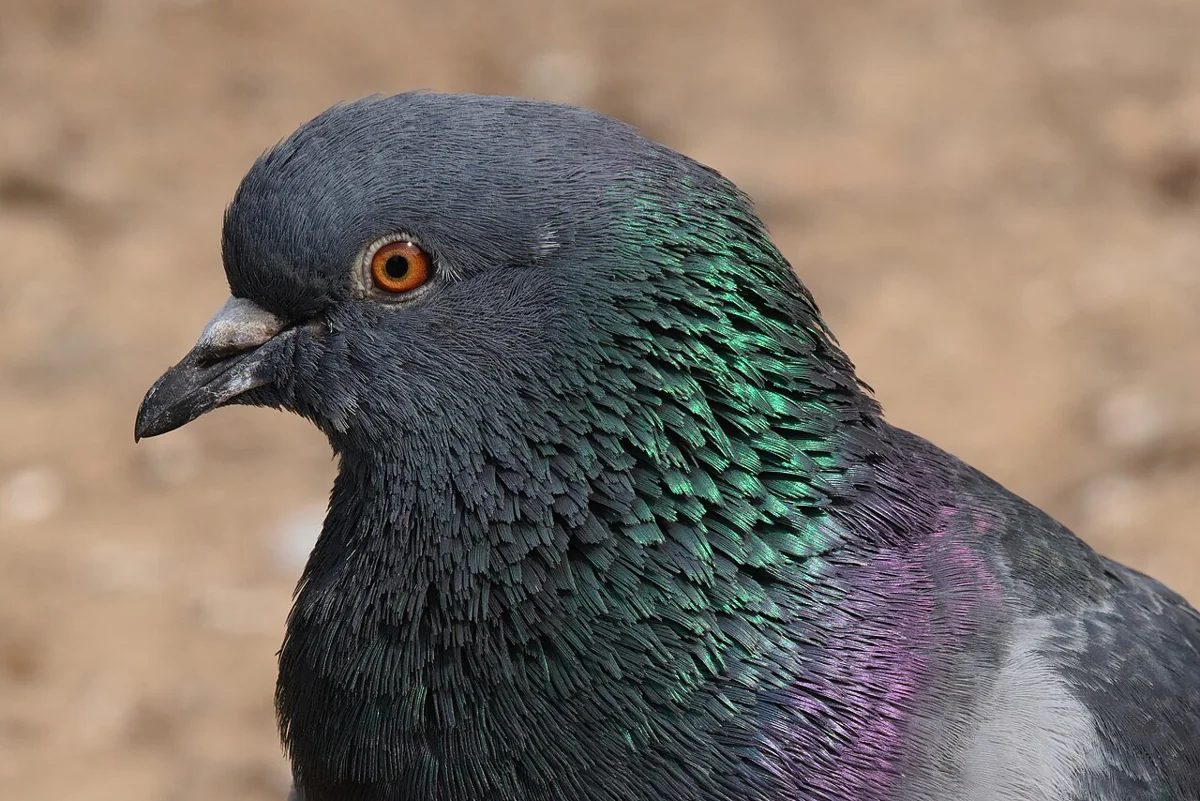
Look-alikes
Compare tail, body and wing marks despite variable pigeon colors.
Read the guide →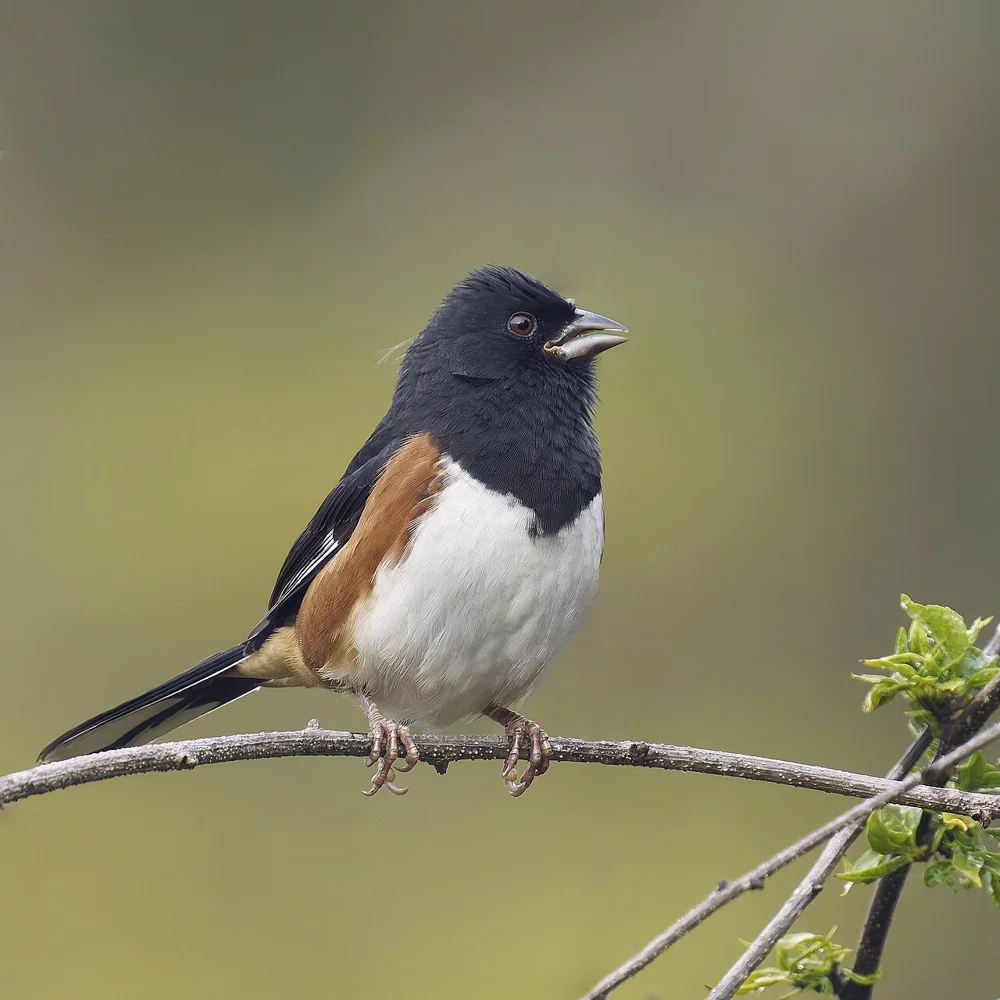
Seasons & habitats
Adjust effort and observation position during the breeding season.
Read the guide →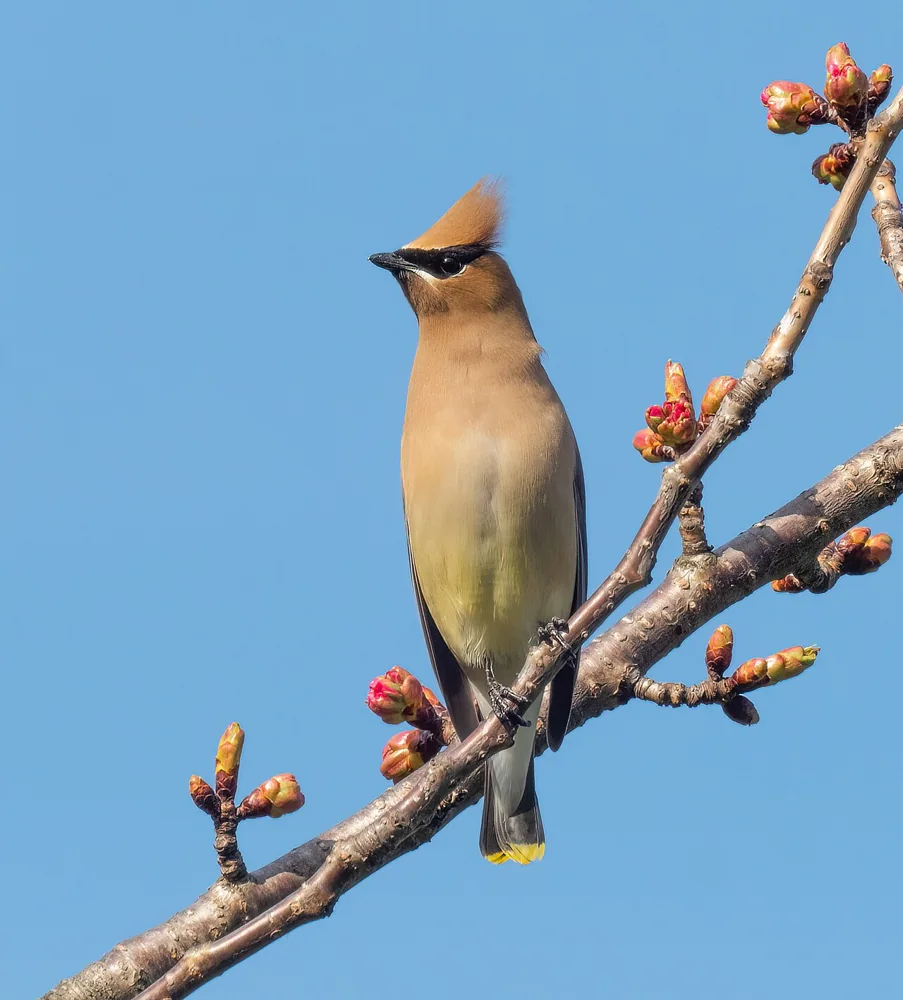
Seasons & habitats
Use visibility and sound conditions without making unsafe weather predictions.
Read the guide →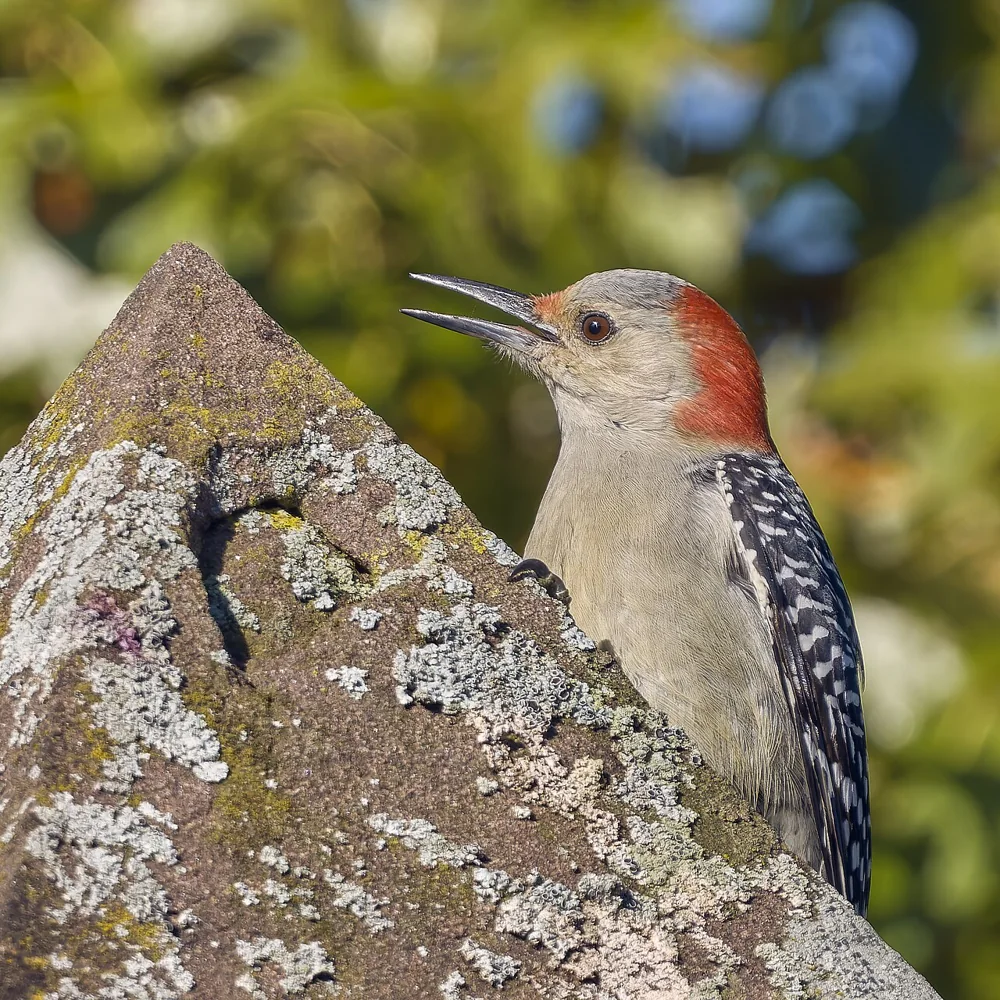
Behavior
Distinguish feather maintenance from replacement and avoid diagnosing illness.
Read the guide →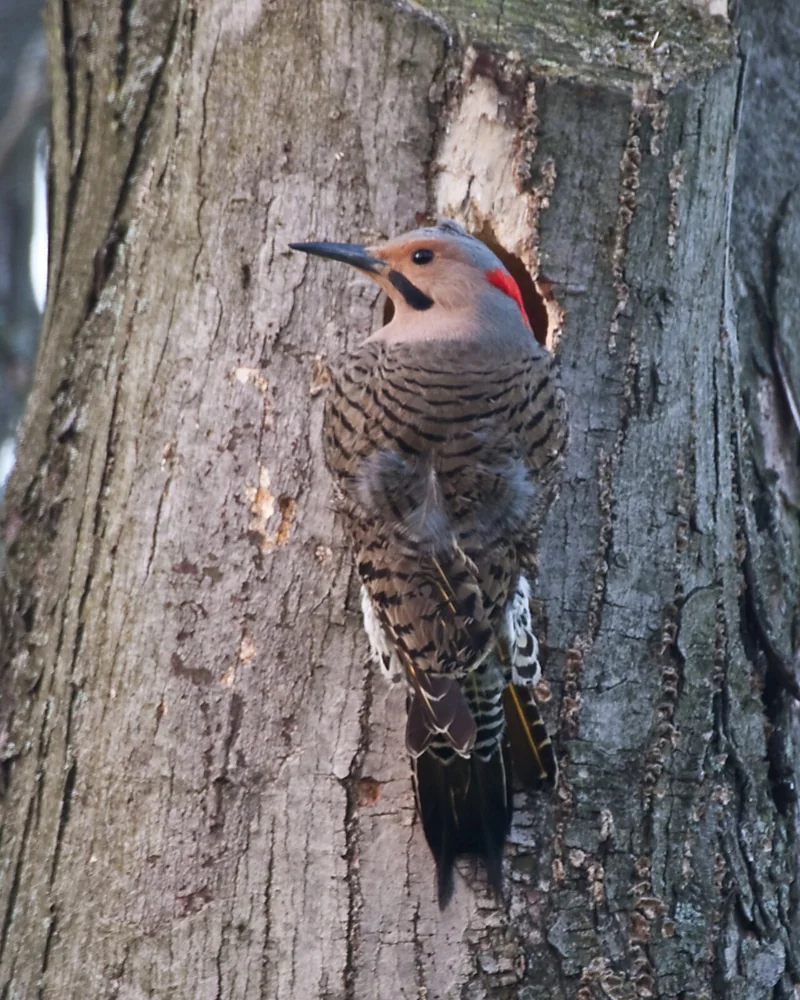
Seasons & habitats
Combine season, region and local habitat rather than treating a boundary as a fence.
Read the guide →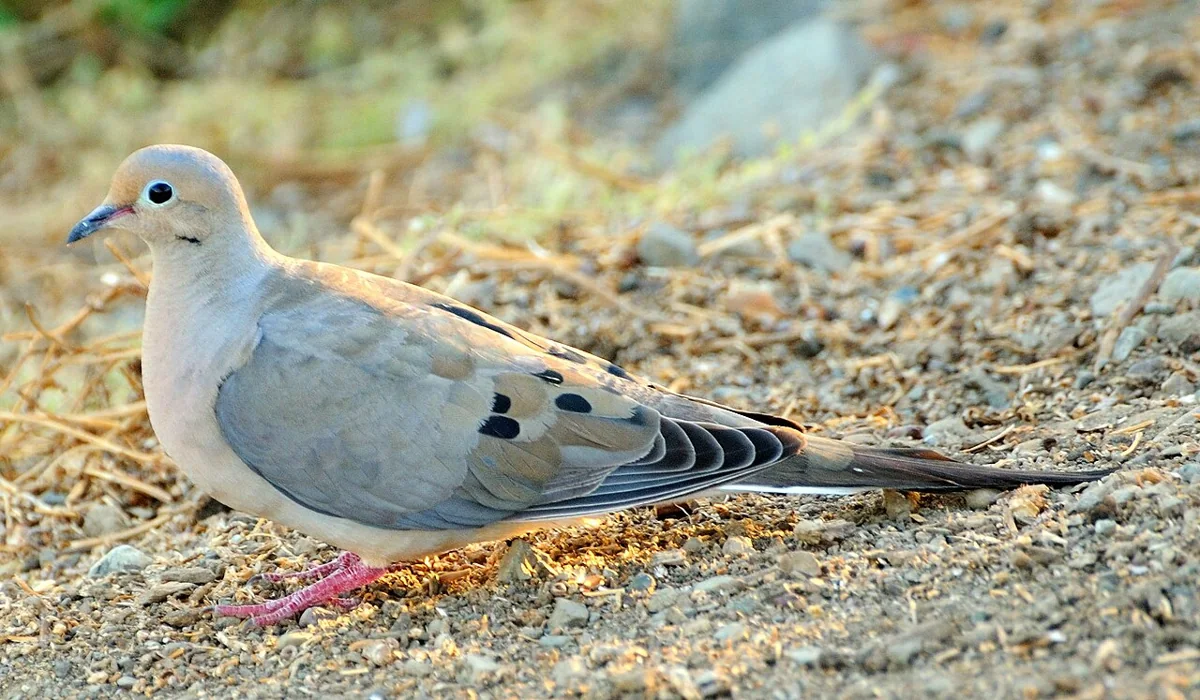
Behavior
Recognize displays while keeping nests and locations protected.
Read the guide →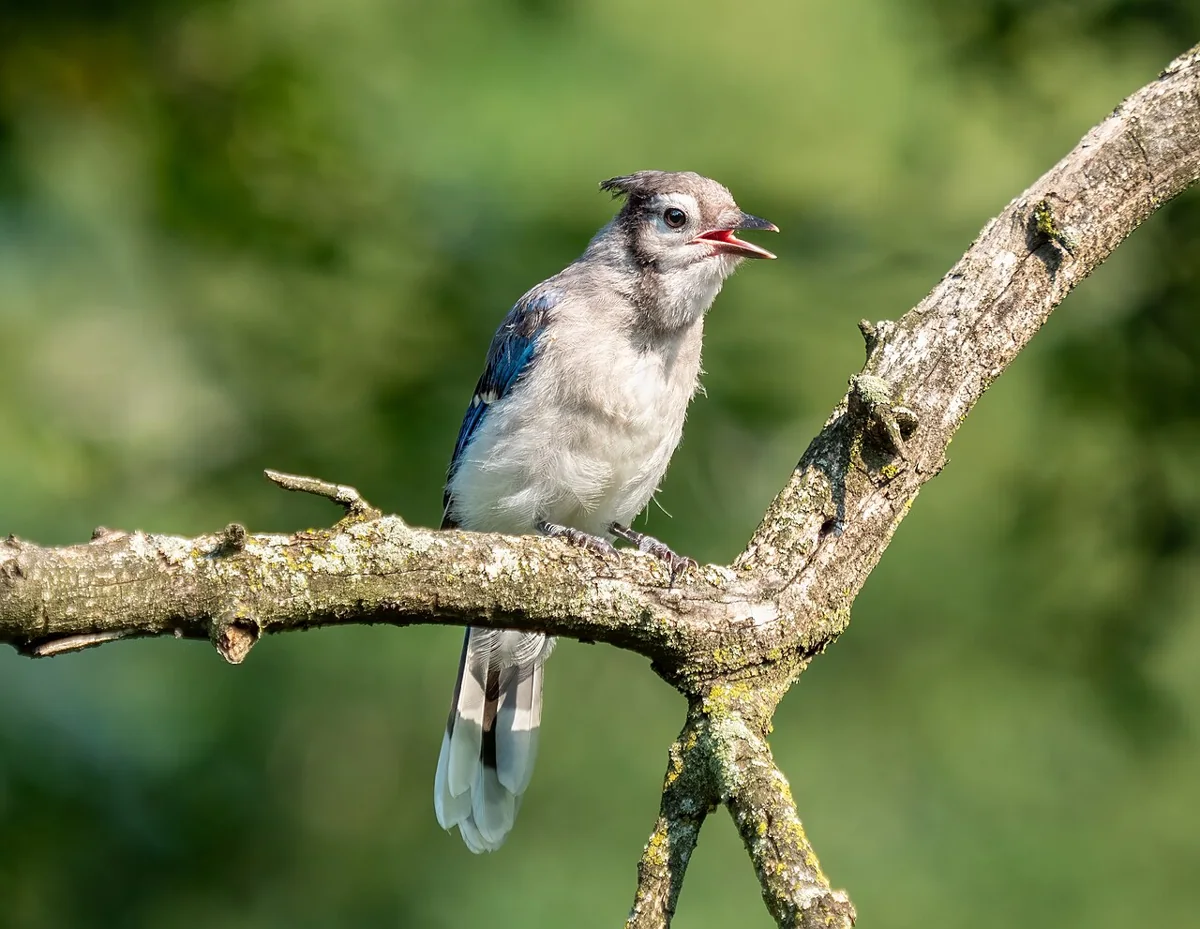
Identification
Locate wing patterns and distinguish visible absence from a hidden mark.
Read the guide →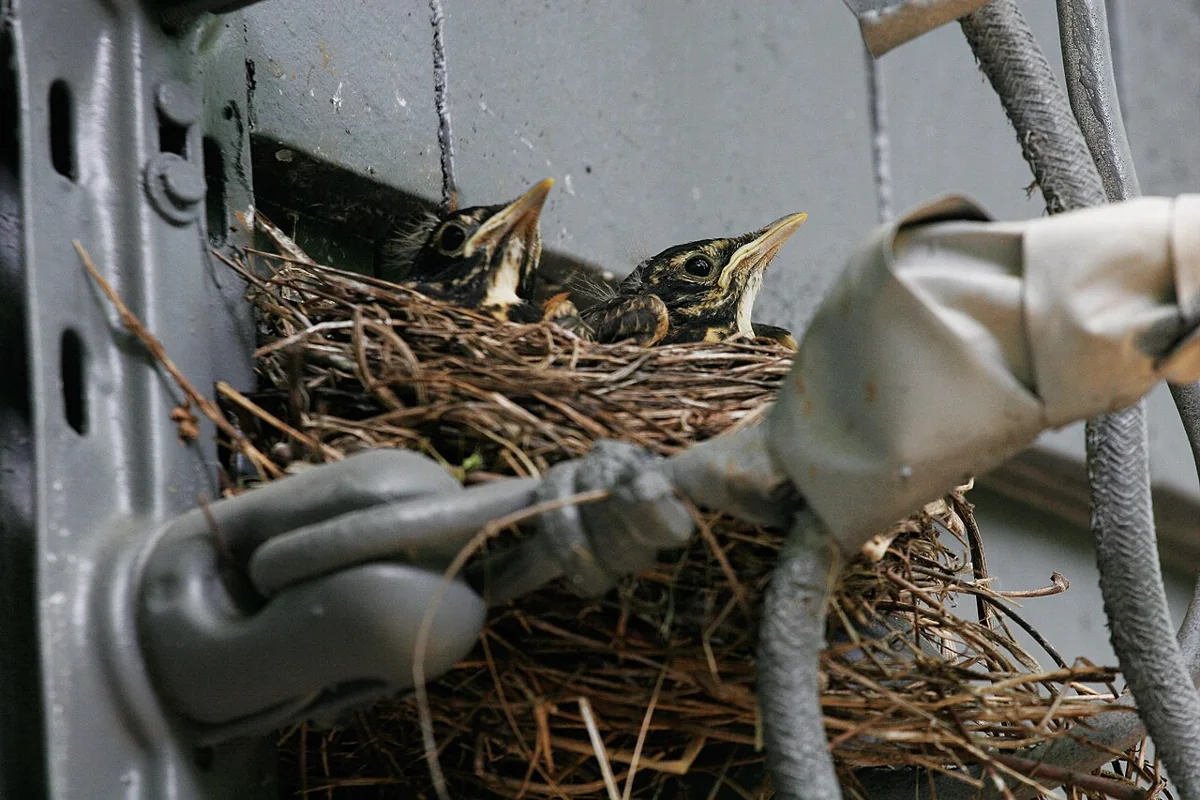
Identification
Separate fledgling behavior, juvenile feathers and uncertain age.
Read the guide →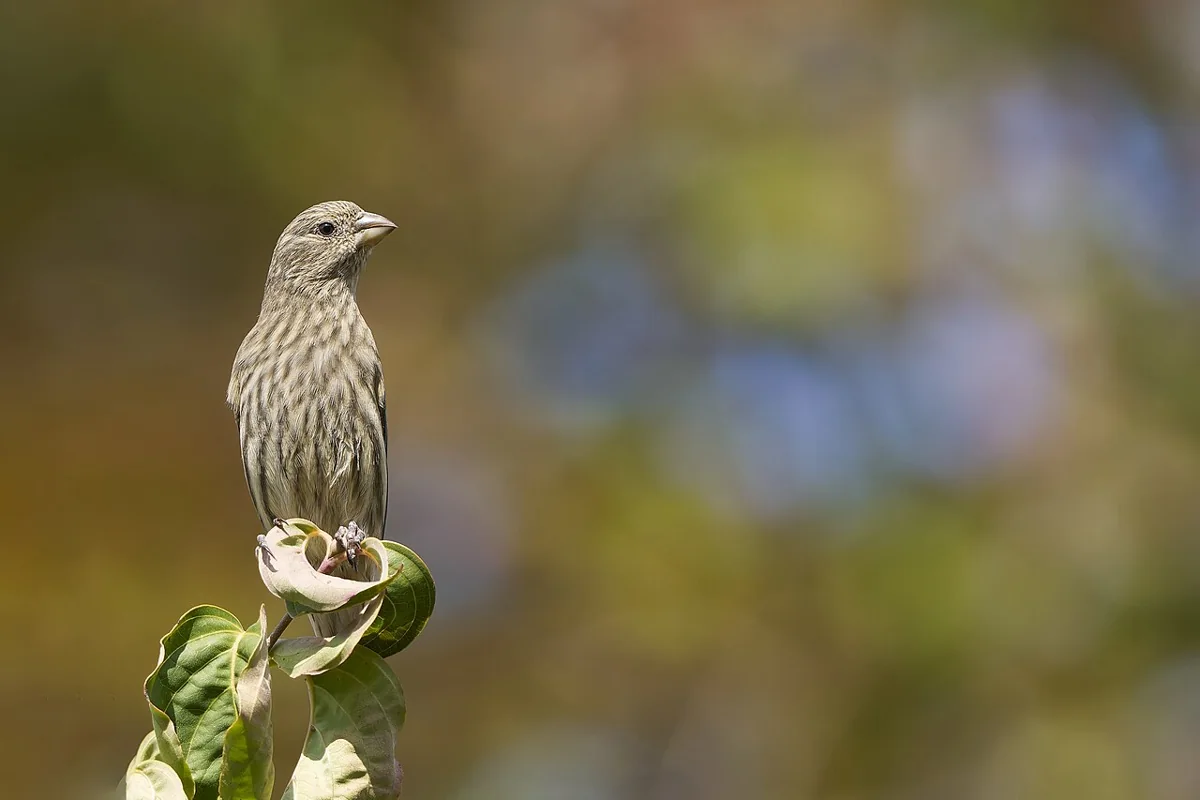
Fieldcraft
Keep effort comparable and distinguish detection from abundance.
Read the guide →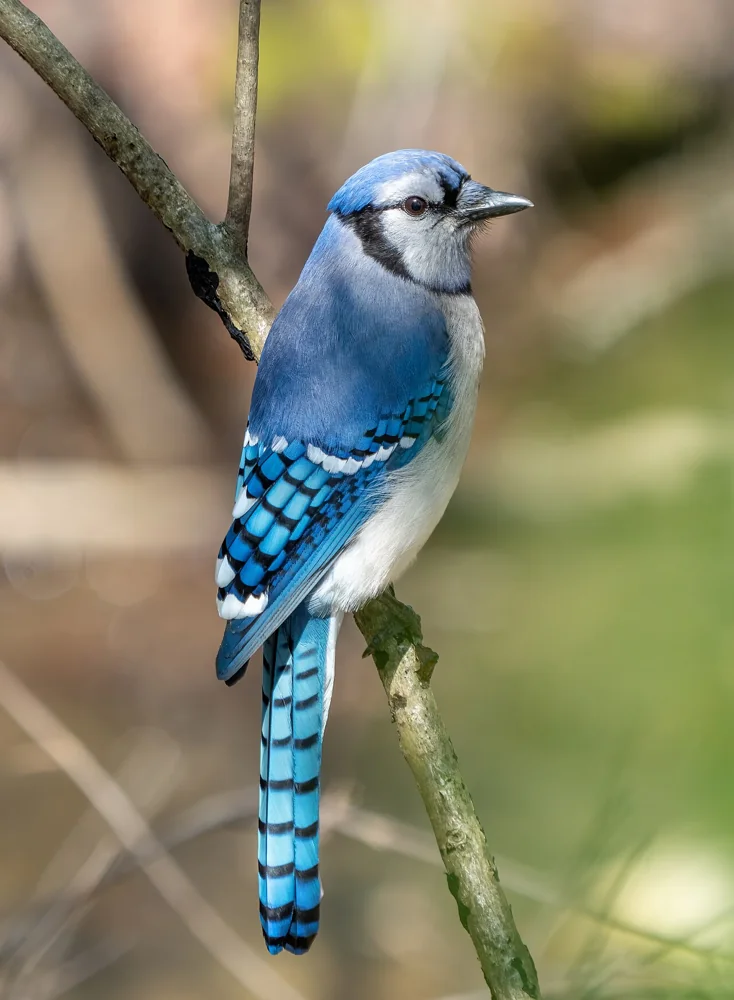
Fieldcraft
Adjust eye spacing, eyecups, focus and diopter in a repeatable order.
Read the guide →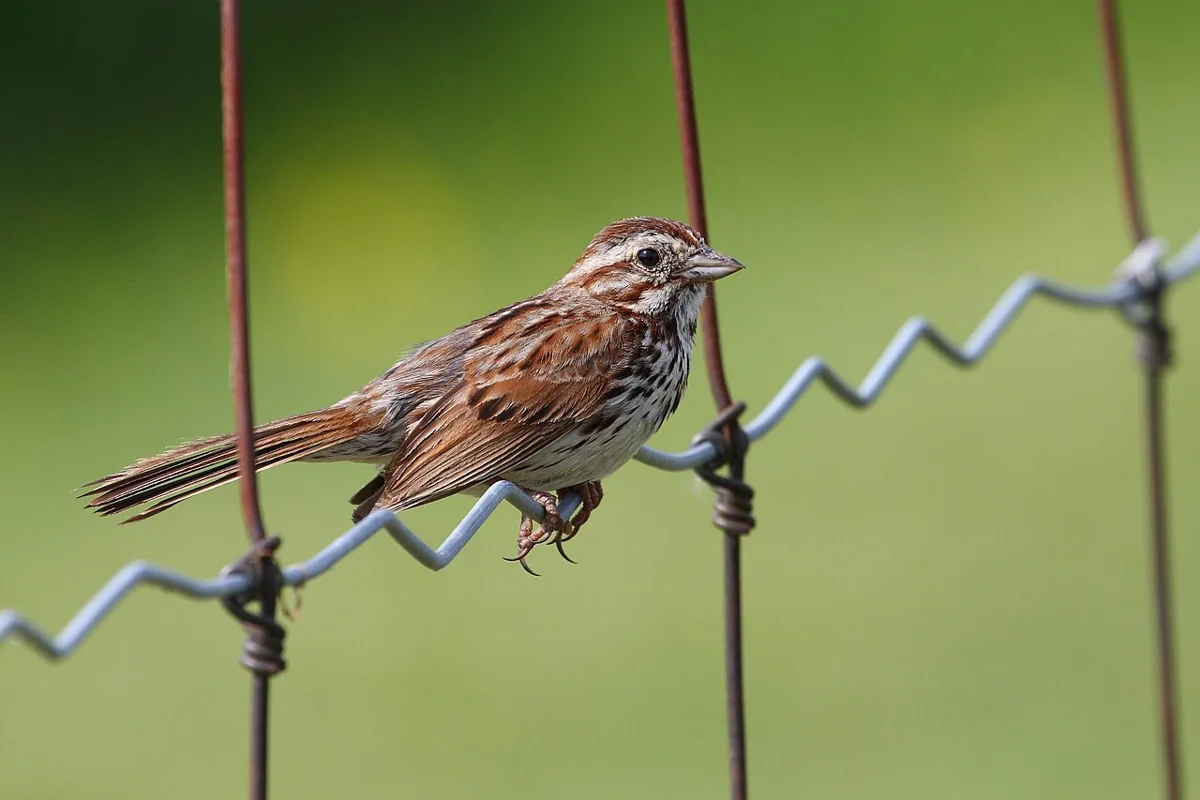
Look-alikes
Compare head and breast while allowing immature and variable plumages.
Read the guide →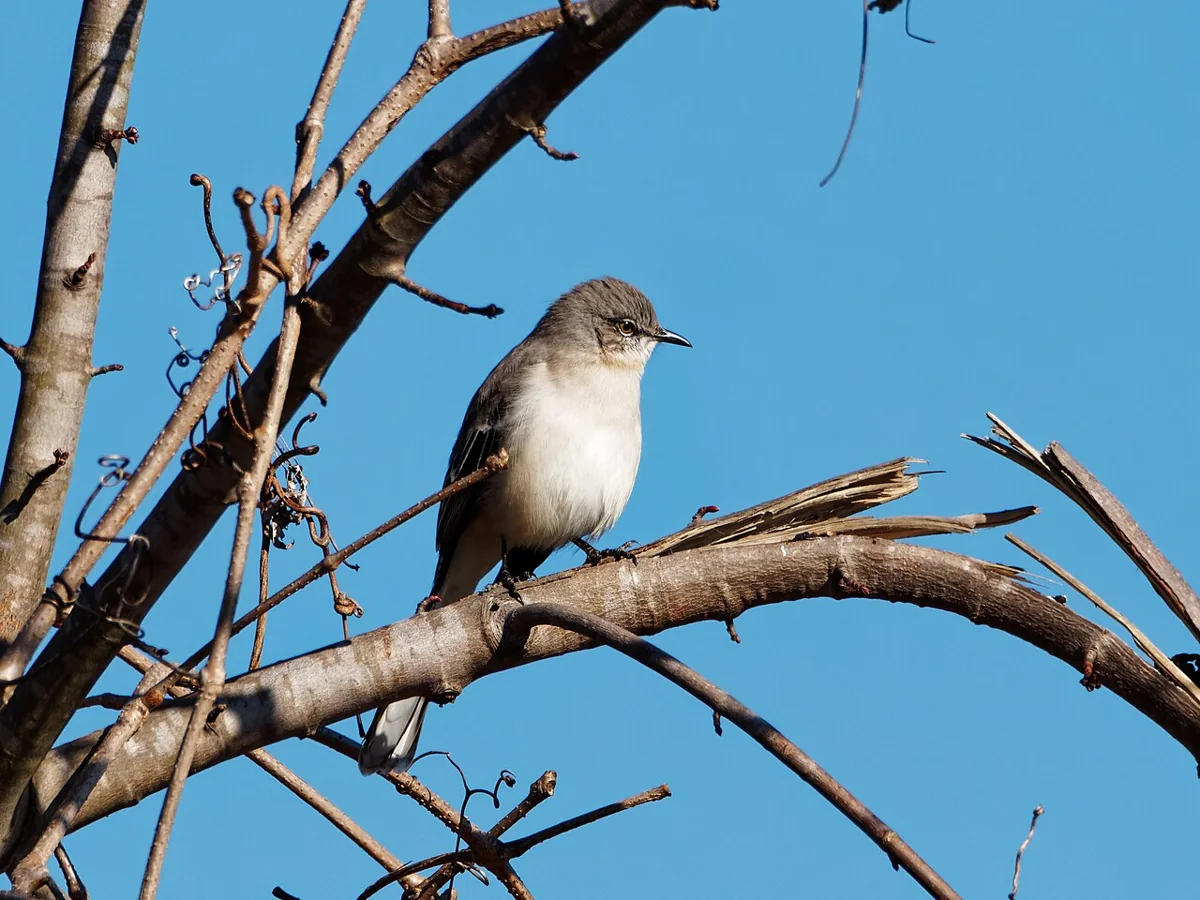
Behavior
Understand vocal functions without rigid louder/longer rules.
Read the guide →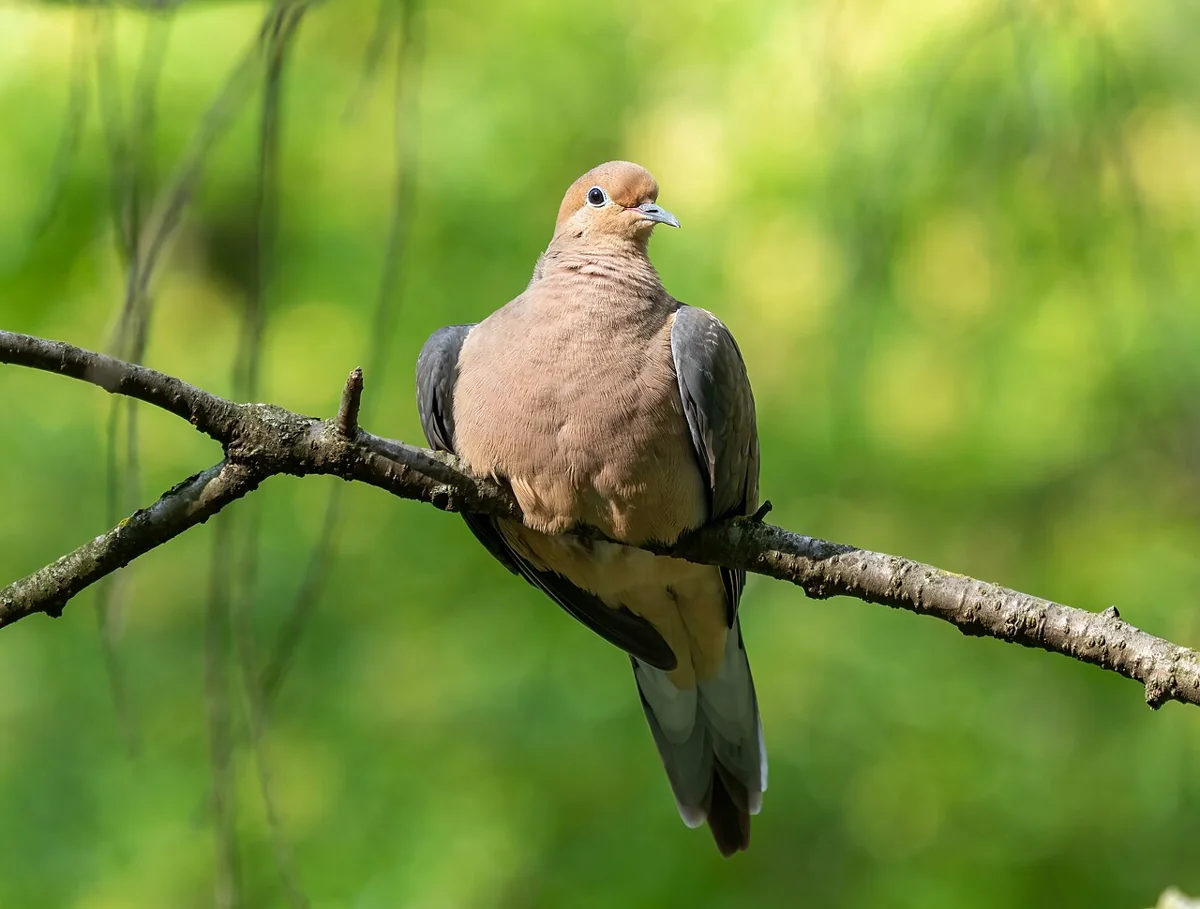
Identification
Separate structural clues from uncertain distance estimates.
Read the guide →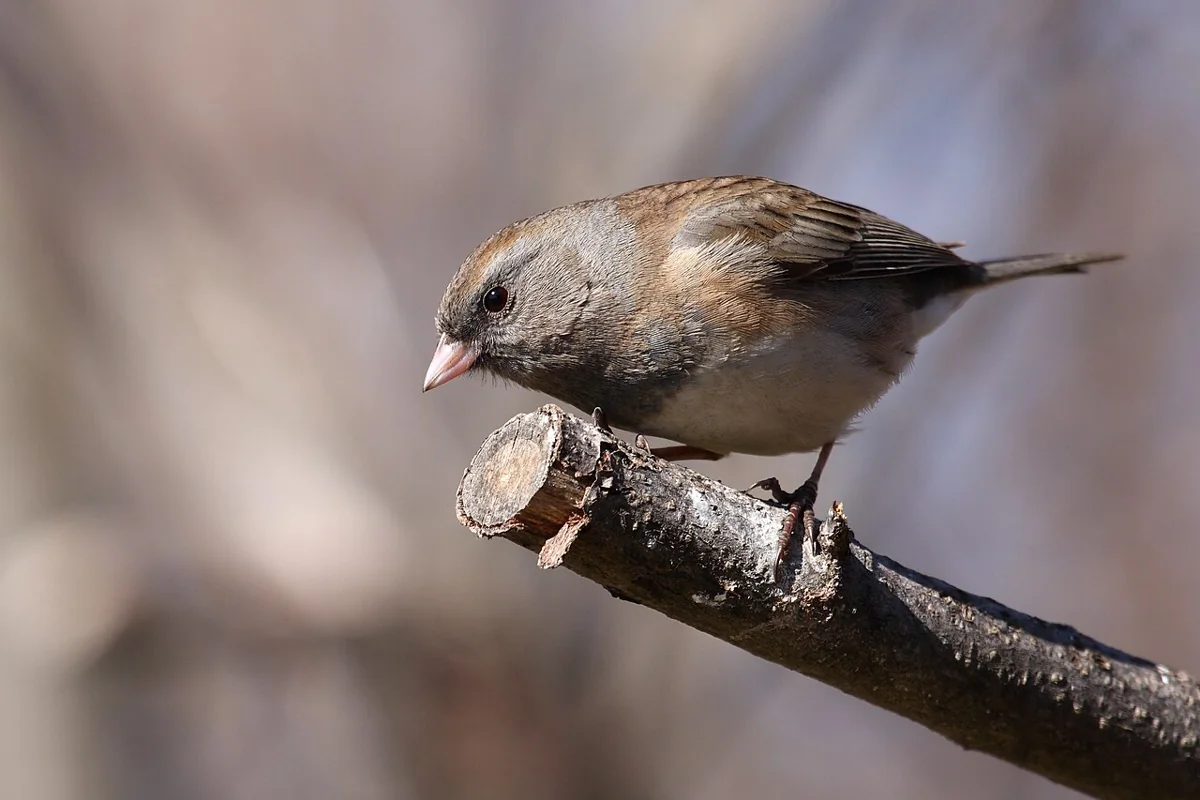
Identification
Compare tail length and shape without confusing posture with structure.
Read the guide →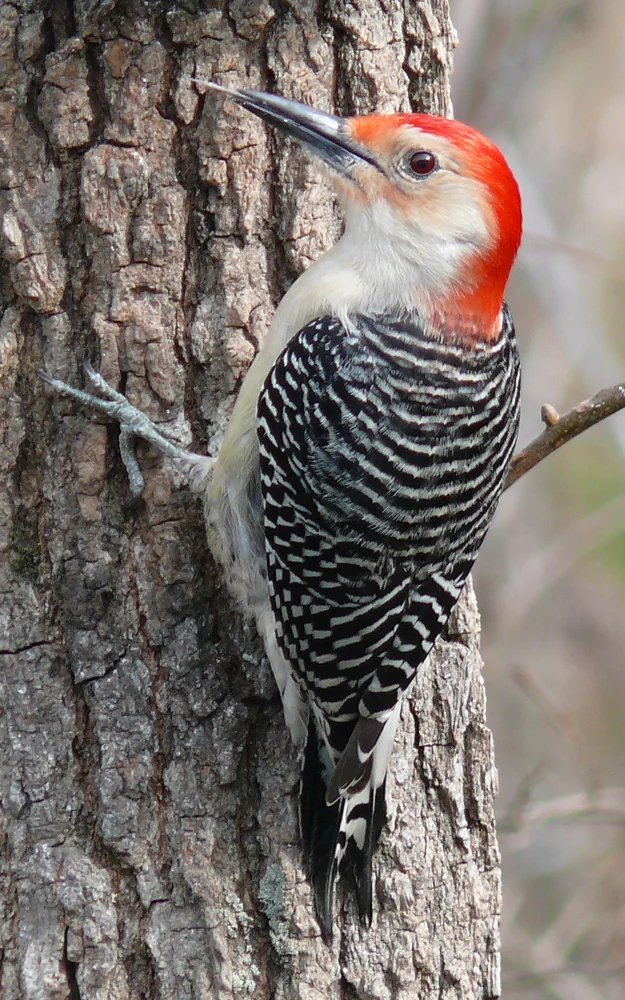
Fieldcraft
Capture structure and context without trading the bird’s welfare for an image.
Read the guide →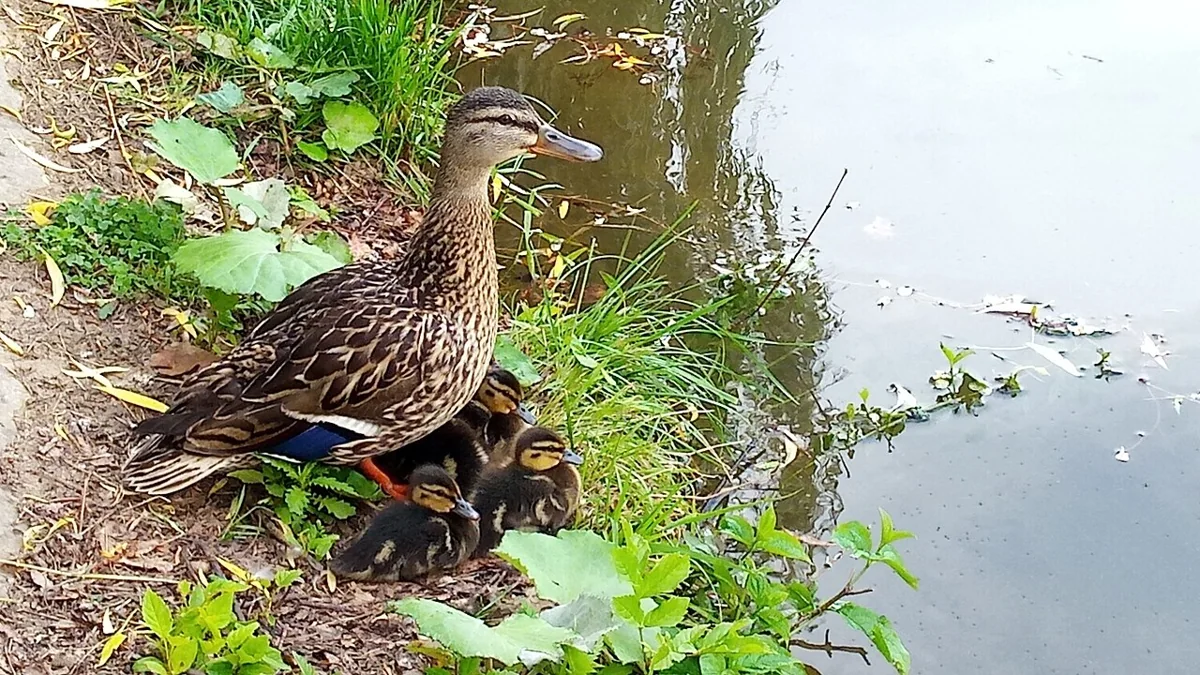
Seasons & habitats
Observe water, shore and vegetation without assuming all waterbirds are ducks.
Read the guide →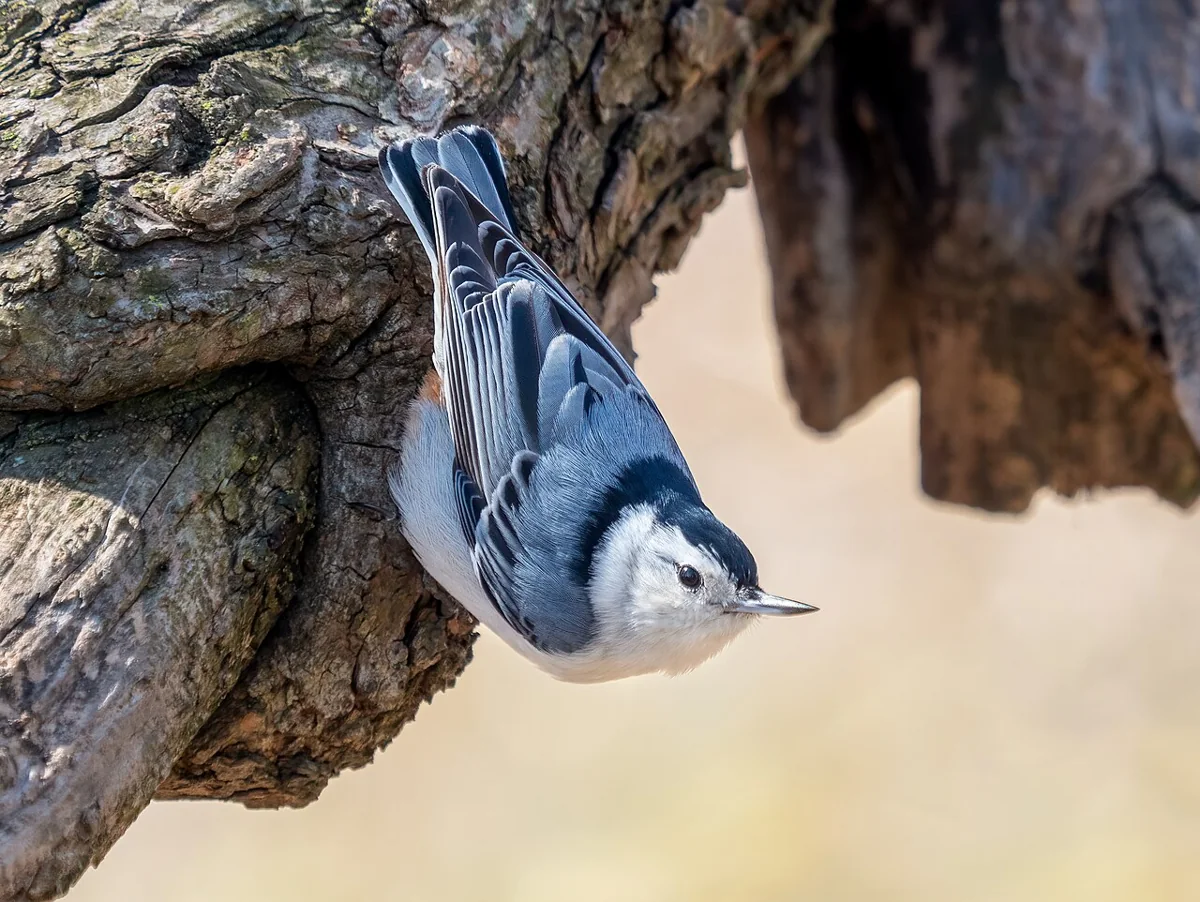
Behavior
Recognize gleaning, probing, ground feeding and aerial pursuit.
Read the guide →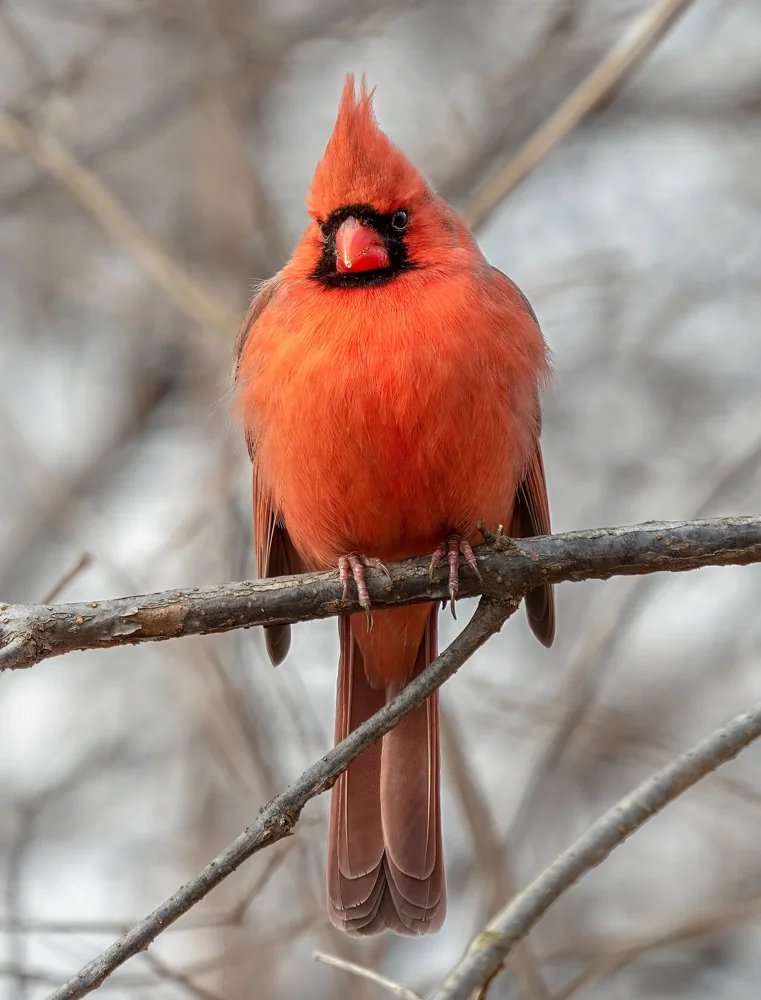
Identification
Use bill proportions without treating diet as a species verdict.
Read the guide →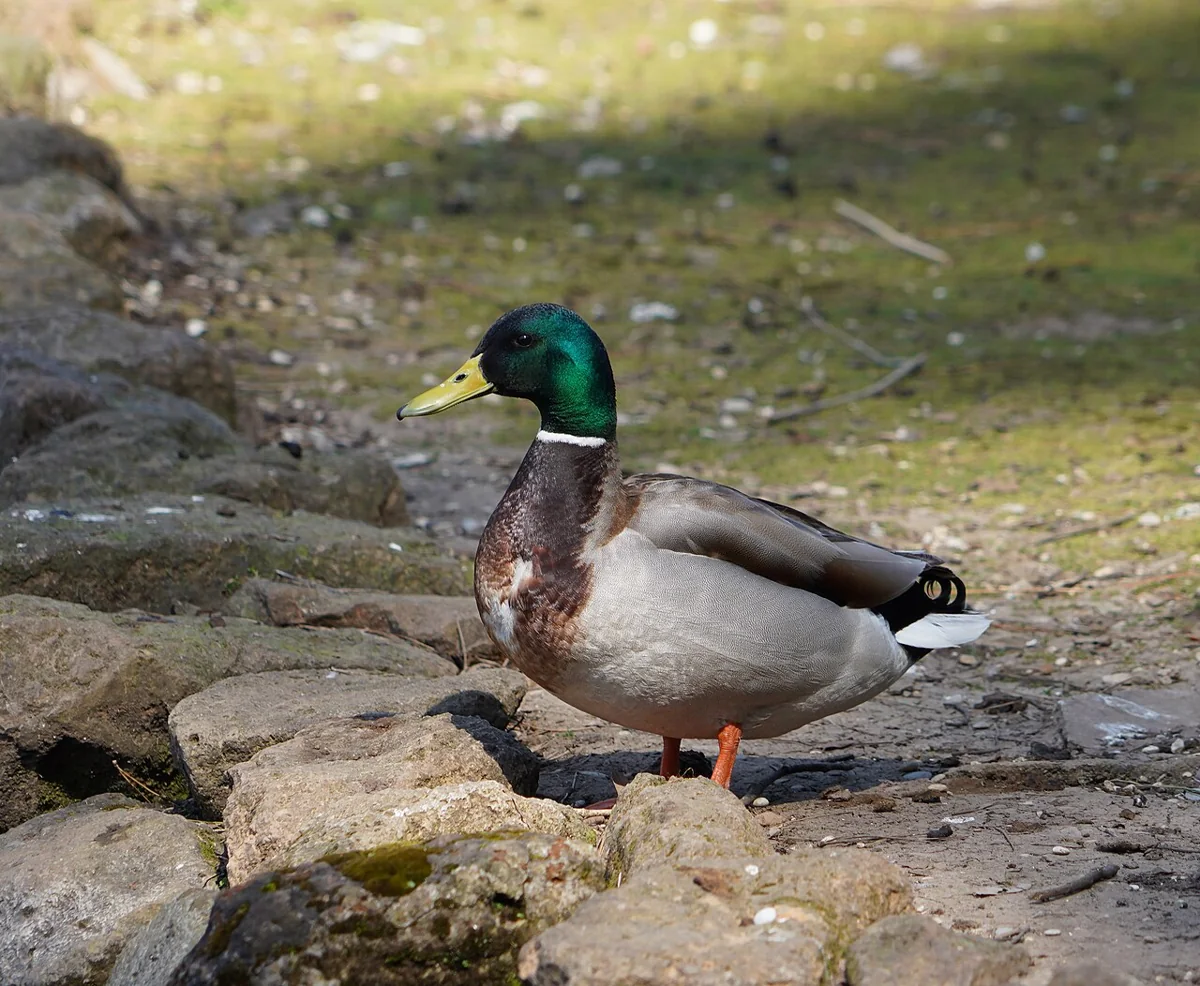
Behavior
Observe sequences and water use without inventing motives.
Read the guide →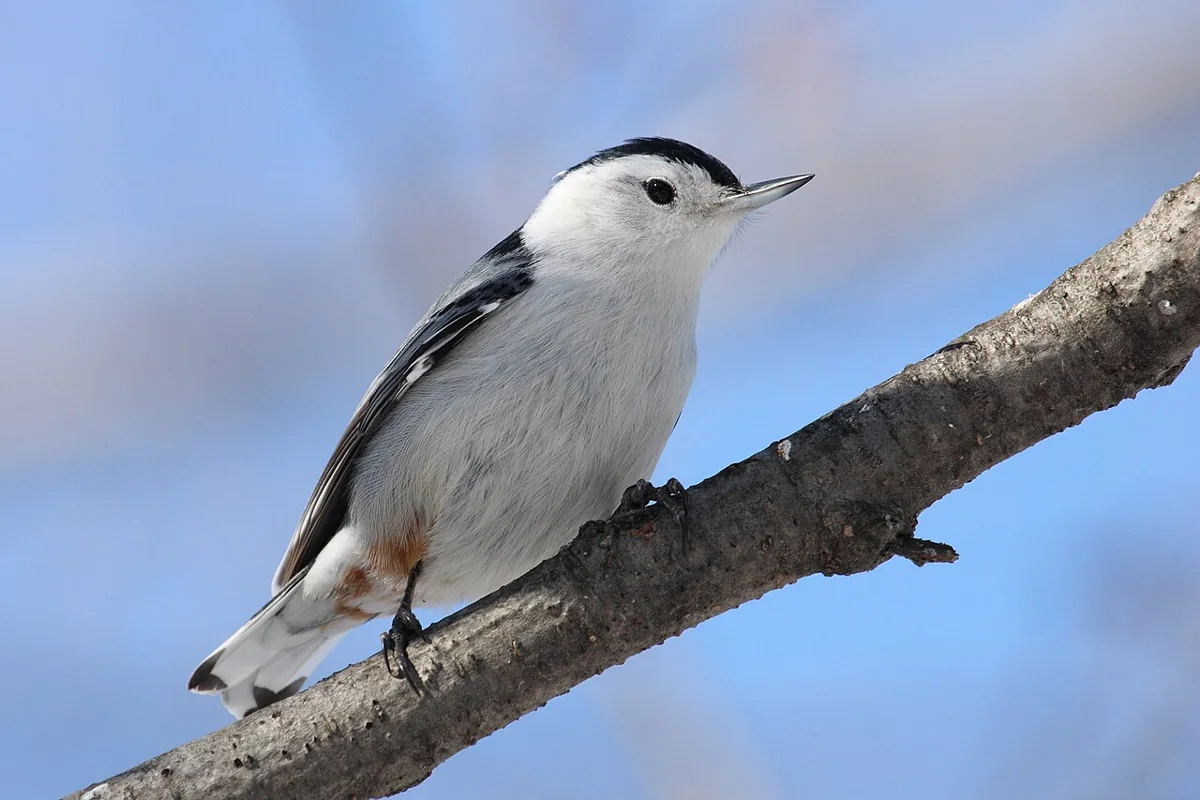
Behavior
Separate immediate feeding, caching and feeding young with cautious notes.
Read the guide →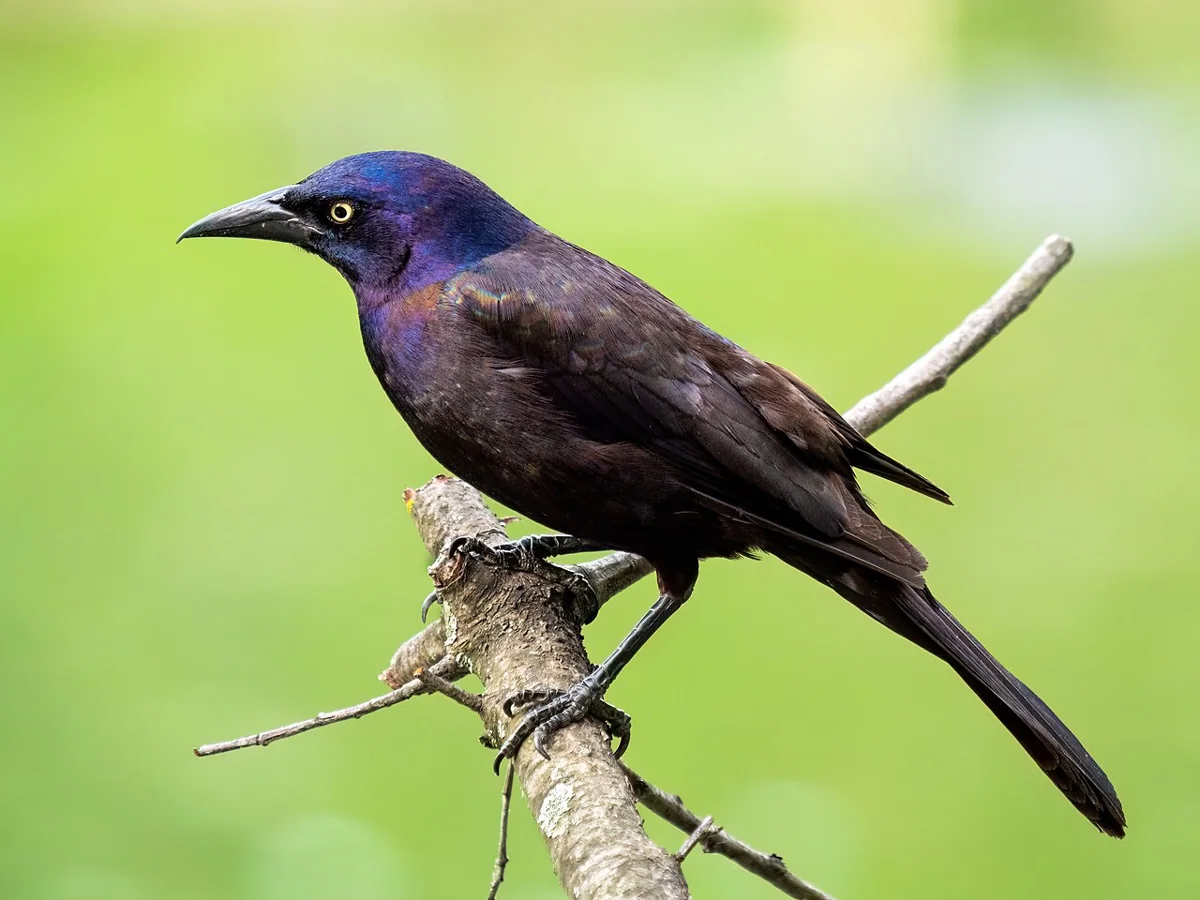
Identification
Retain useful evidence when shade, glare or backlighting distort color.
Read the guide →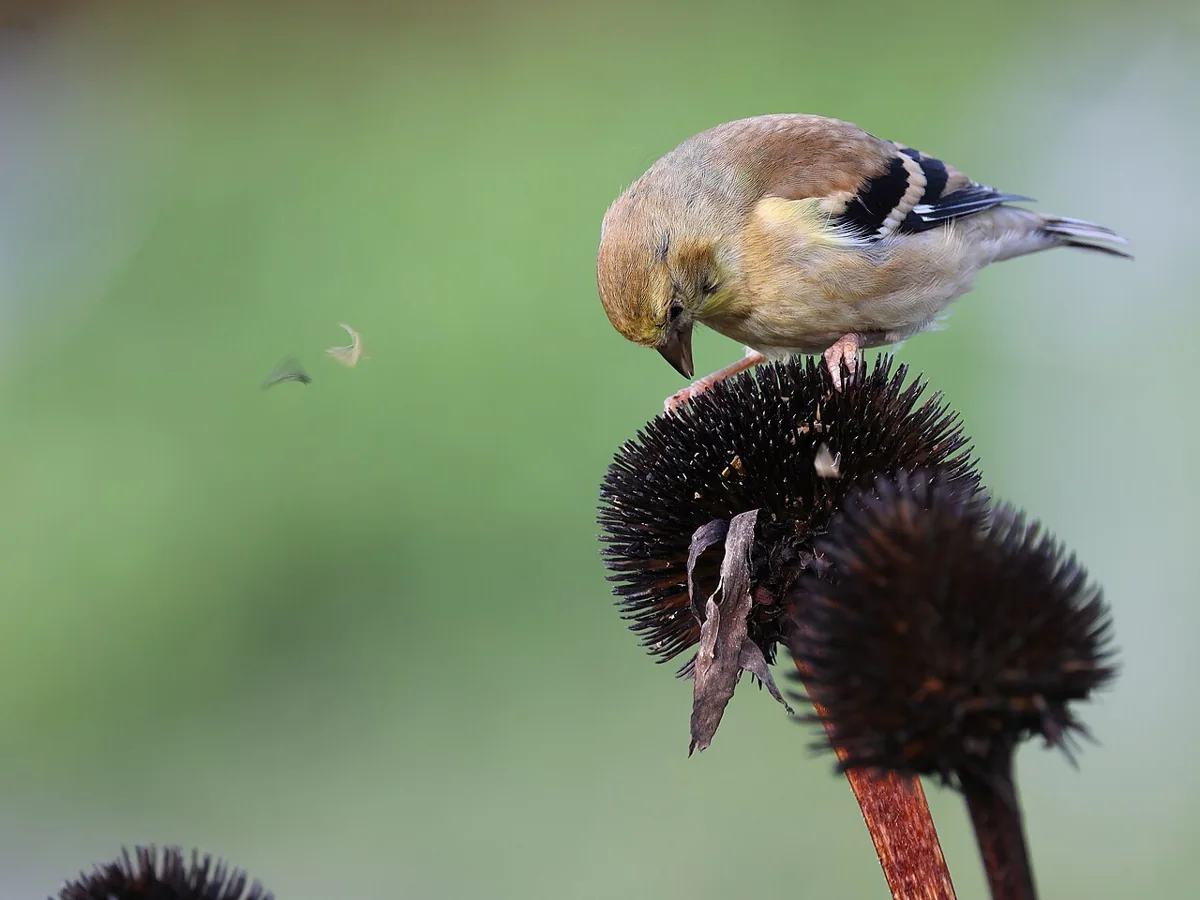
Seasons & habitats
Separate seasonal feather changes from age, sex and species.
Read the guide →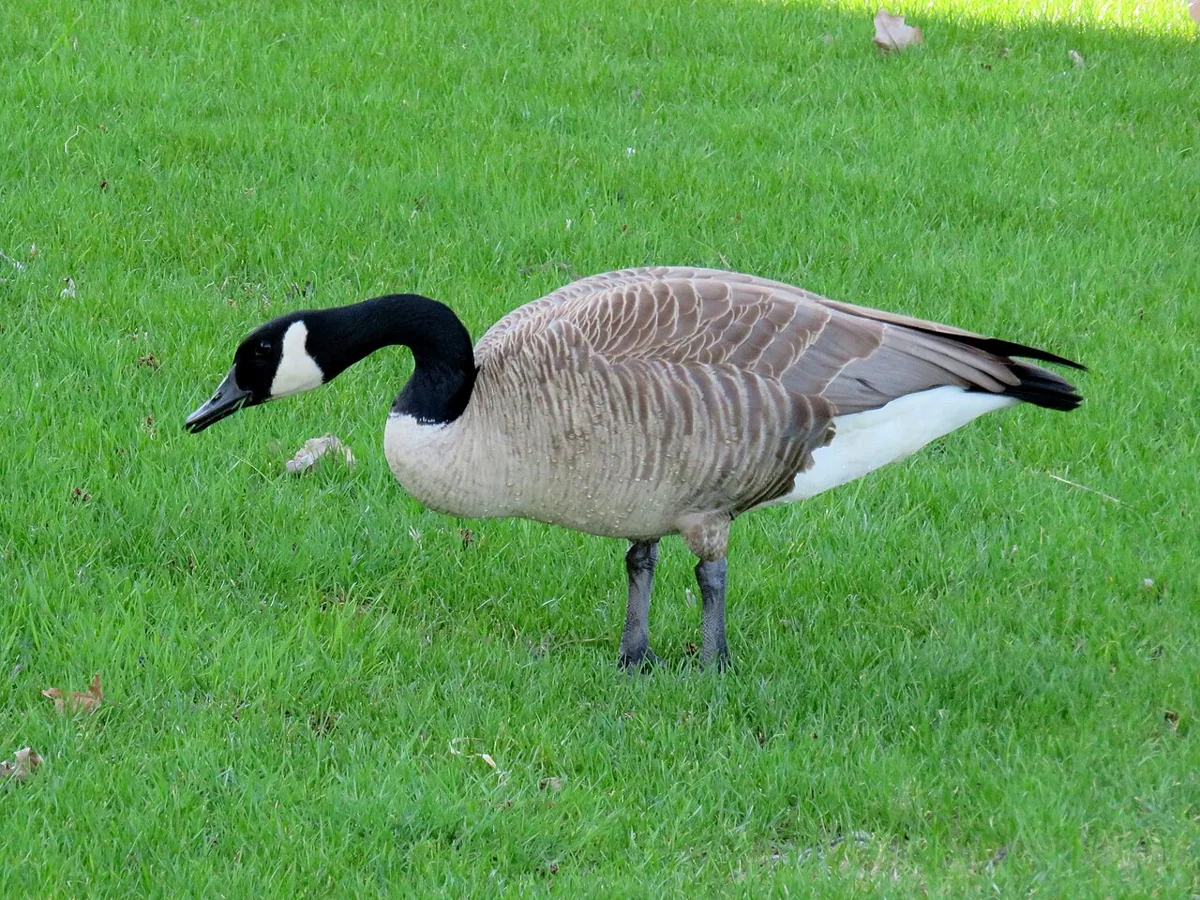
Seasons & habitats
Interpret broad seasonal patterns without promising an arrival date.
Read the guide →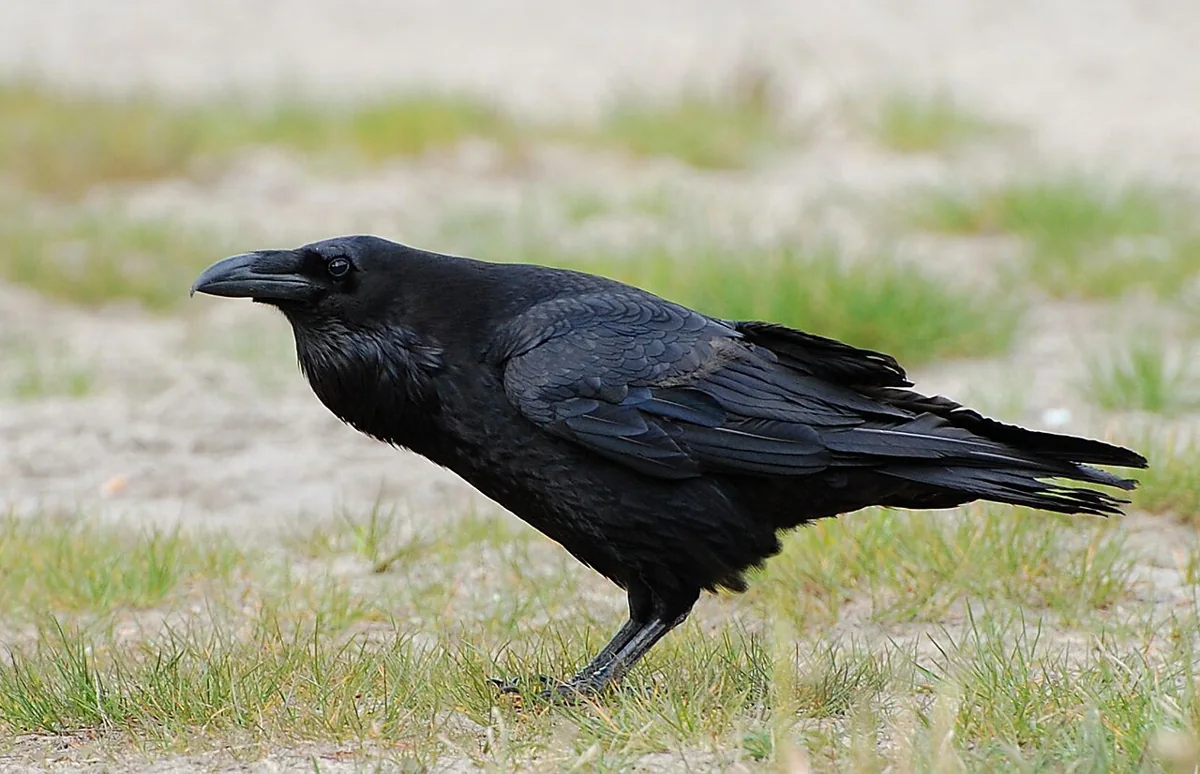
Behavior
Interpret alarm gatherings without approaching or exposing a predator.
Read the guide →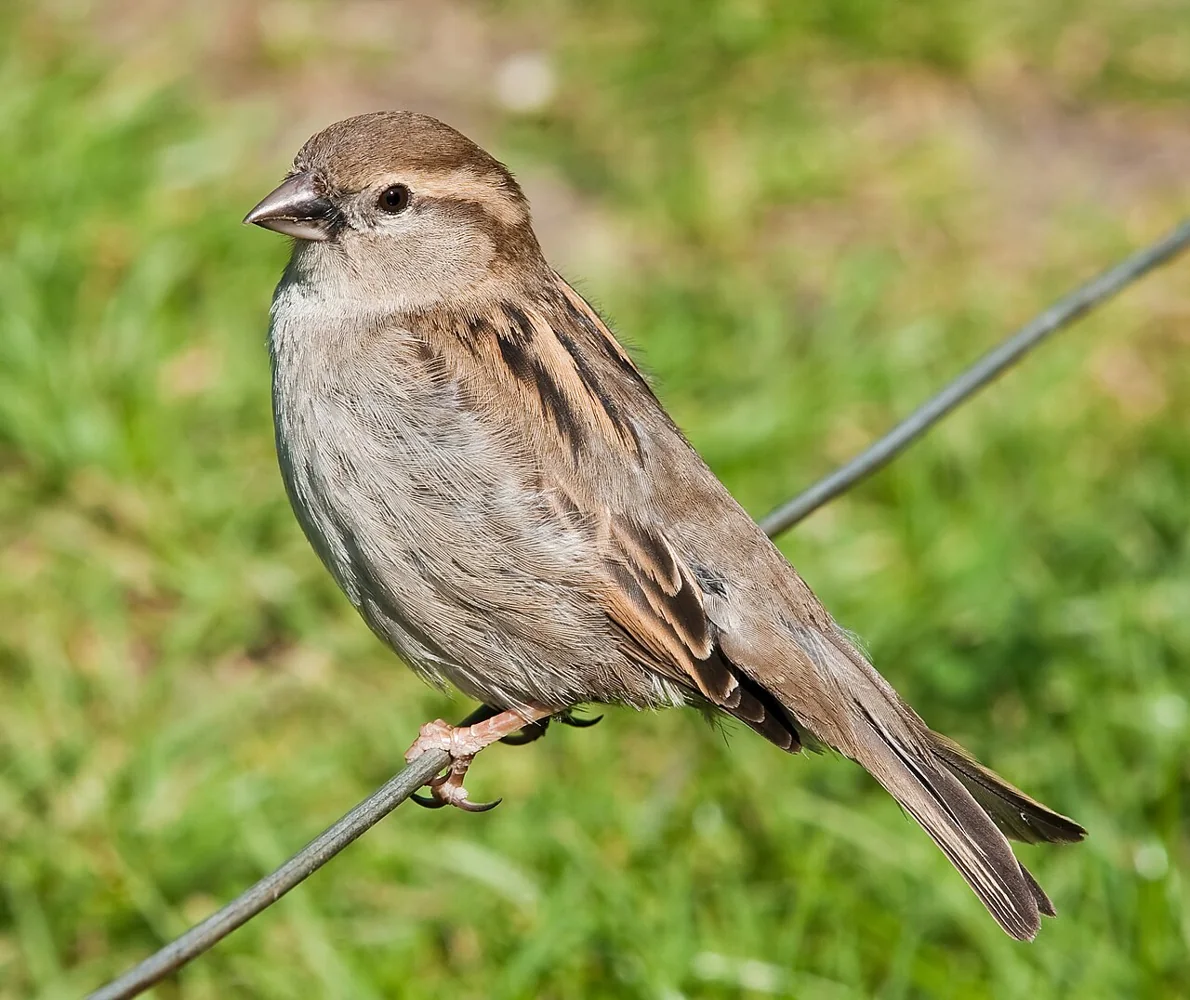
Fieldcraft
Separate observed evidence, uncertainty and interpretation.
Read the guide →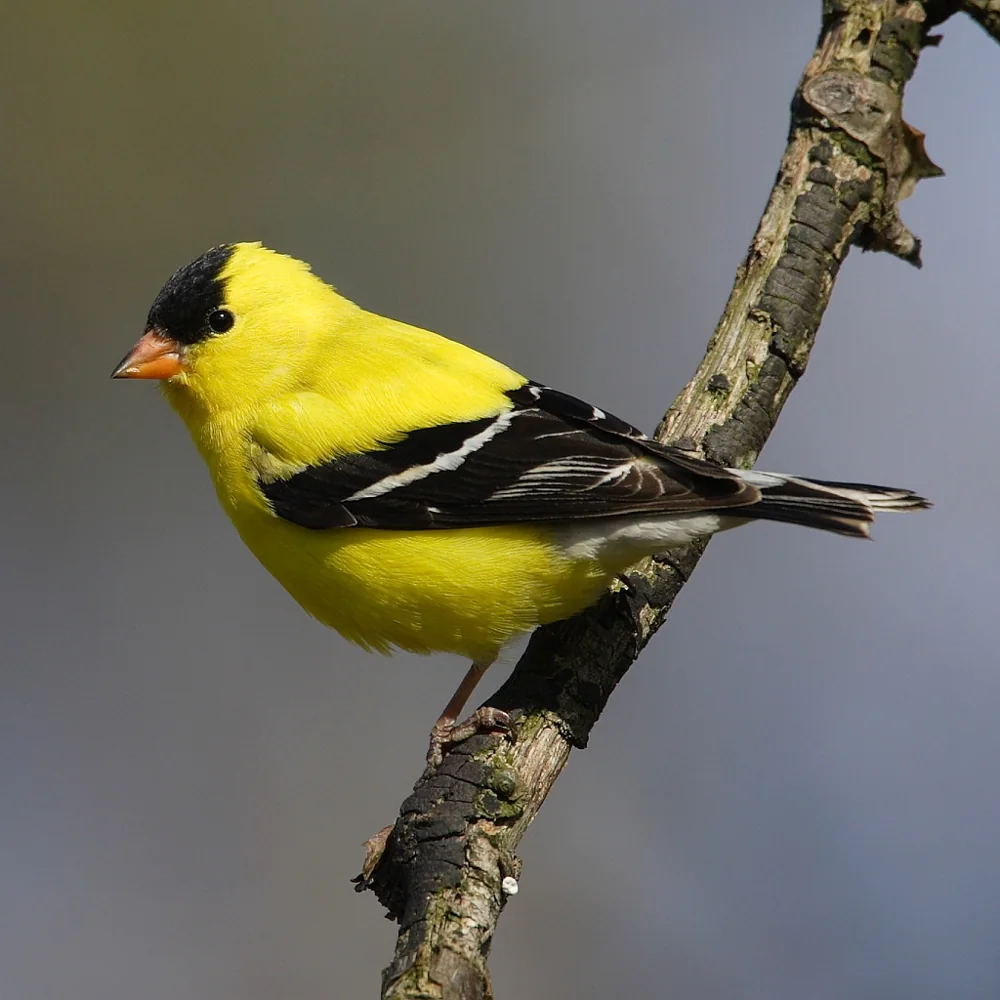
Fieldcraft
Run a small observation session with a clear start, route and note.
Read the guide →