
Identification
Identify female birds beyond the bright male
Compare structure and stable patterns before excluding a less colorful bird.
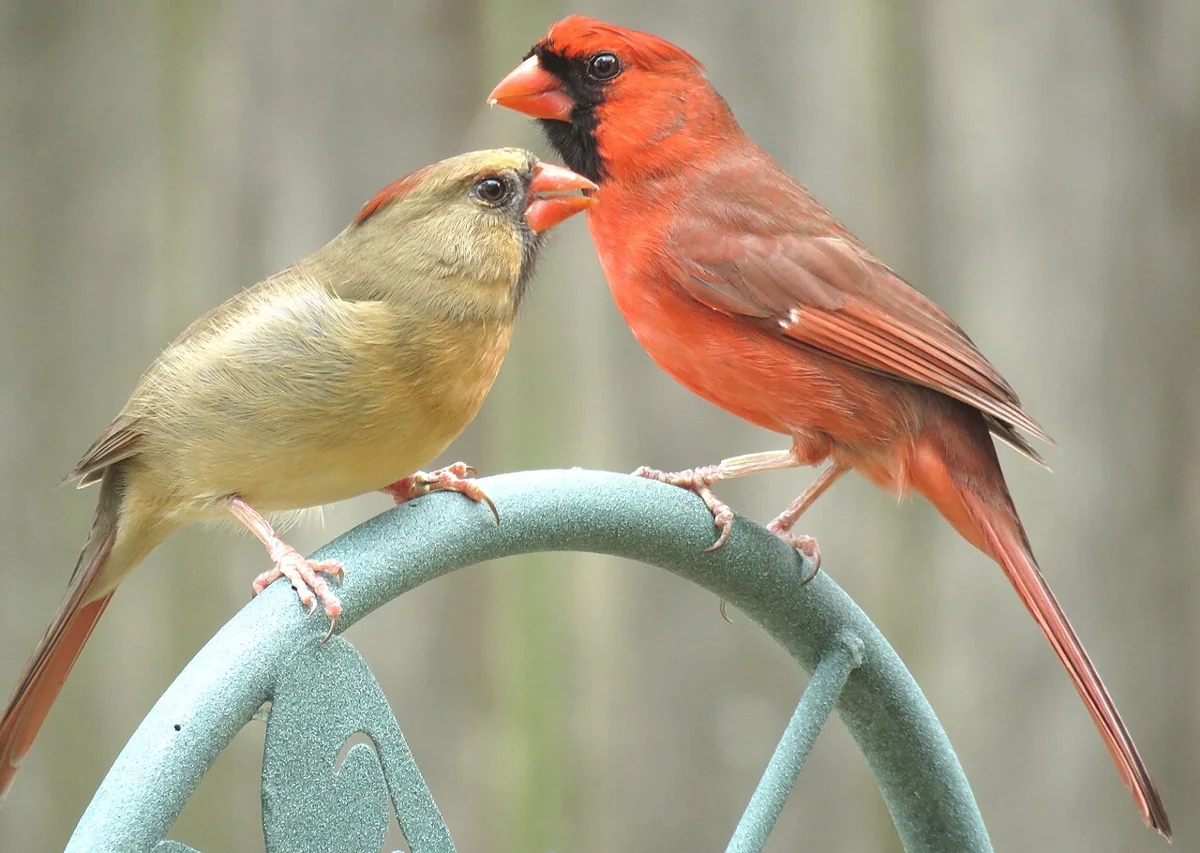
A bird guide often introduces a species with its most striking adult male. That photograph can become your mental definition of the bird. When a quieter-looking individual appears nearby, the familiar name may never enter your candidate list. Expanding the reference you use is one of the simplest ways to improve neighborhood identification.
Begin with the species question, then consider sex where the evidence supports it. A less colorful bird might be female, young, outside its bright seasonal plumage or simply seen in poor light. Some species have very similar-looking sexes. Calling every dull individual female can therefore create a second error while you are trying to solve the first.
Choose a reference that matches the bird
Open the full image set in a reliable species account. Look for labeled females, males and immature birds, and note whether seasonal appearances are included. Compare similar poses and lighting when possible. A female side view is a fairer reference for a brown side-facing bird than a bright male portrait photographed from the front.
Keep several candidates available while you do this. The goal is to find a coherent match across features, not merely an image with a similar shade of brown. If you have already decided that the bird must be female, you may overlook young birds or species with little visible sex difference. Let the observed structure and patterns organize the search.
Retain the structure that color distracted from
Many useful features remain available even when the plumage differs from your remembered male. Look at crest, bill depth, tail proportions and the arrangement of large patches. Compare those relationships before concentrating on color intensity. They can help connect different appearances of the same species while still leaving room for similar local alternatives.
Northern Cardinal is a useful example. The female’s mostly brown appearance differs strongly from a bright red male, but she retains a conspicuous crest, substantial bill and relatively long tail. Those clues support a cardinal comparison in an appropriate region. Other crested heavy-billed species matter in some places, particularly in the Southwest, so structure still needs geographic context.
A streaked female may resemble another group
Female Red-winged Blackbirds look very different from the black males with obvious red shoulders. Their brown streaked plumage can suggest a sparrow to a beginner. Look at the bill, body proportions and overall pattern, then compare a labeled female reference. A bird near reeds may support the context, but setting alone cannot settle the identification.
Even a male Red-winged Blackbird can conceal much of its shoulder color depending on posture. Missing the expected red does not automatically identify a female or exclude the species. Record which parts of the shoulder were visible. That observation helps separate a genuine plumage difference from a patch that was simply covered by surrounding feathers.
Brown finches need their own comparison
Female House Finches lack the red foreparts that make many males immediately familiar. Their streaked underparts and relatively plain brown face become more useful. House Sparrows and other local small brown birds need comparison. Selecting a female House Finch reference prevents the absence of red from carrying more weight than the positive features you actually saw.
When comparing female House and Purple Finches, examine the face as well as the breast. Purple Finches often show a stronger pale eyebrow and darker cheek pattern. Both can look streaked underneath. The general lesson is to replace a male-centered color shortcut with the particular marks that separate the relevant appearances, rather than assuming female birds are inherently featureless.
Some sexes look too similar to name confidently
Compare the locations of plumage differences, too. A general brown wash, a dark throat and a pale eyebrow describe three different things. A reference may show that one area changes with sex while another remains shared. Building that small species-specific map is more dependable than applying one rule about brightness across all the birds visiting a feeder.
Blue Jays illustrate a different situation. Males and females have very similar plumage, so an ordinary visual encounter may establish the species while leaving sex unknown. Small average size differences are difficult to apply to an isolated bird. A confident species identification does not require you to add a sex label the view cannot support.
Consult the species account before deciding which traits determine sex. Different birds require different evidence. A feature useful in one species may be irrelevant in another. If the account does not offer a dependable visual distinction for your encounter, retain the bird’s name and describe its appearance. Leaving a field unspecified can make the rest of the record more trustworthy.
Separate female, juvenile and seasonal appearances
Young birds can resemble adult females, and adult males of some species adopt less conspicuous plumage outside the breeding season. Date and behavior may help you choose which reference images to examine. They do not supply a missing diagnostic mark. A summer bird begging for food provides different context from a quiet winter bird feeding in a flock.
American Robins show another kind of caution. Juvenile birds have conspicuous spotting beneath, while adult females can be somewhat duller than adult males. A spotted bird should lead you to juvenile references rather than a generic assumption that dullness means female. Work through age and sex as separate questions, keeping either one open when the observation is incomplete.
Describe what supports the label
A useful note includes the identification features before any sex interpretation. For a hypothetical cardinal encounter, you might describe the crest, deep bright bill and brown body with reddish areas, then explain the female comparison. If the light was poor or the bill partly hidden, include that limitation. The note should remain intelligible even to someone reviewing the record without your initial impression.
Practice by studying both sexes of a few common local species that genuinely differ. Then add one species whose sexes look similar. That small set teaches two equally valuable skills, recognizing an overlooked appearance and knowing when sex cannot be determined from the view. Both improve the accuracy of your birding without requiring every encounter to produce a complete demographic label.
Keep exploring
Start with the silhouette: size and shape
Separate structural clues from uncertain distance estimates.
What a bird’s bill can tell you
Use bill proportions without treating diet as a species verdict.
Read wing bars without losing the whole bird
Locate wing patterns and distinguish visible absence from a hidden mark.