
Fieldcraft
Your first fifteen-minute bird walk
Run a small observation session with a clear start, route and note.
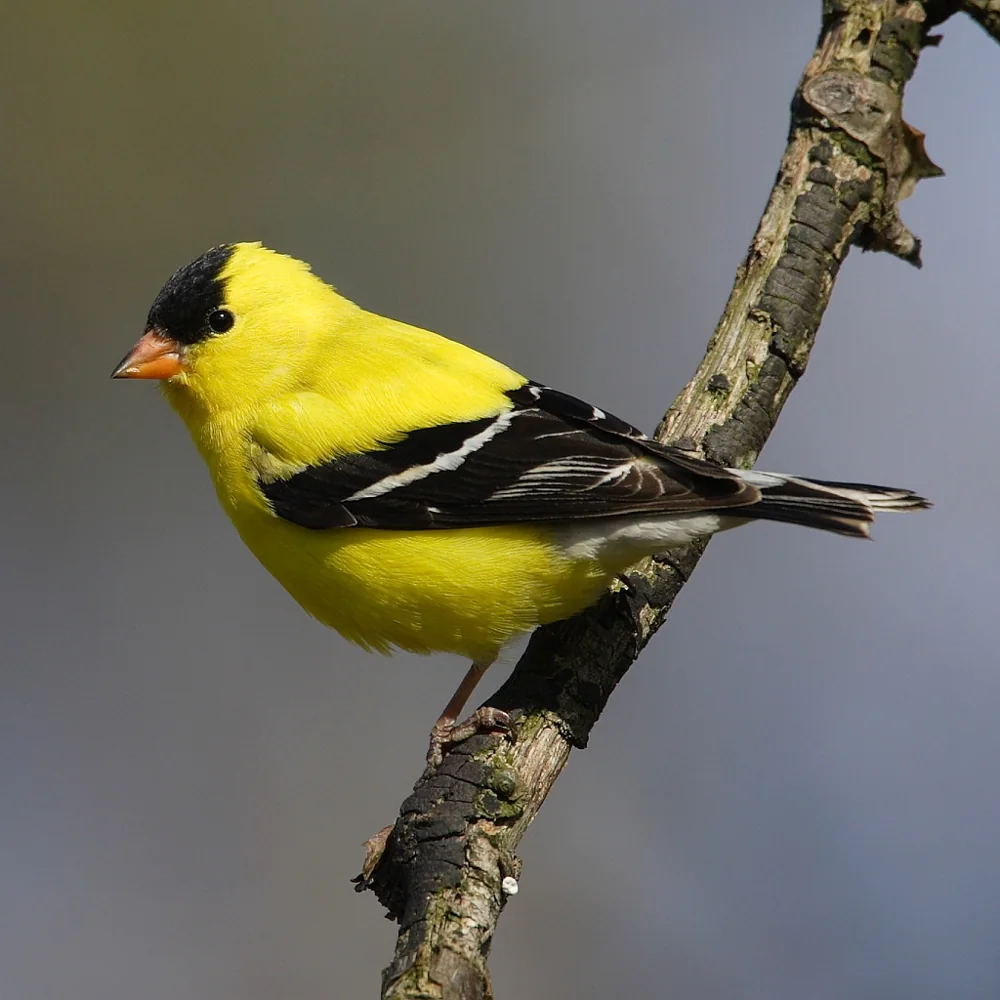
Give your first bird walk a small boundary. Choose one familiar public path, a park bench or a window overlooking trees, and spend about fifteen minutes noticing what is already there. You can finish with one useful observation. A long species list, a rare bird and a photograph are optional outcomes that may or may not arrive.
The session below is a suggested exercise. Its timings organize your attention, rather than describe a formal survey protocol. Adjust them for your comfort and access needs. Sitting in one suitable place can work as well as walking a short distance. The useful result is a record connecting a bird or sound with a place, time and description.
Choose the patch before you begin
Pick a location where you can stop comfortably without obstructing a path or looking into someone’s private space. A place where shrubs meet lawn, or trees meet an open area, lets you watch more than one kind of activity. Check opening hours and any posted restrictions. Stay within the space you can use, even if a bird moves beyond it.
Bring whatever makes the brief visit practical, including appropriate clothing and water when needed. If you have binoculars, adjust them before starting. A phone or small notebook can hold the observation. Set a quiet timer if it helps you keep the session short. Avoid spending the whole visit arranging equipment while the birds around you go unobserved.
Use the opening minutes to settle
Stand or sit still and let your eyes move across the scene. Notice the nearest shrubs, the upper branches and any open ground. Listen for sounds from different directions. Try to distinguish a repeated bird-like sound from a mechanical noise, but leave the source uncertain when you cannot tell. You are building a picture of the patch before pursuing a name.
A sudden movement can draw all your attention to one corner. Once you have checked it, return to the wider scene. Birds can be visible on the ground while others move through the canopy. You do not need to track every activity at once. Select one view that you can follow comfortably and allow the rest to remain background context.
Spend the middle on one bird
If a bird becomes visible, watch its overall outline before opening a guide. Compare the head, body and tail. Notice the bill when the angle permits it. Then record one pattern you can describe, such as a pale cheek, a streaked breast or a distinct wing patch. Color helps, but shade and backlighting can make it unreliable.
Watch what the bird does next. It might walk and pause, hop through branches, turn down a trunk or remain perched. A short sequence can be easier to remember than a collection of disconnected marks. If it flies away, look for an obvious wing or tail pattern only while the view remains useful. Keep your attention on your footing as you move.
Write a few words while the memory is fresh. A description such as “small gray bird, dark cap, pale cheek, moving through twigs” gives you material to compare later. If the bird is familiar, still note one observed feature. A name alone can hide how you reached the decision and leaves less to learn from on a future visit.
Make one modest change of position
If the first viewpoint offers little, move quietly to another nearby permitted spot. You might gain a clearer view of the shrub edge or the far side of a tree. Keep the move short enough to remember which area supplied each observation. You can also remain seated and change the direction you watch. Covering more distance is unnecessary for this exercise.
If a bird reacts to your approach by repeatedly moving away, stop advancing. More space can improve the encounter for both bird and observer. Avoid following a bird toward a nest or through dense vegetation. Your route should be determined by access and a comfortable viewpoint, with the bird free to leave the frame.
Close with a usable record
During the last few minutes, record the date, approximate start time, duration and place. Add the bird label at the level you can support, including a broad group if needed. Note whether you stayed in one place or walked. Keep a short account of the strongest features and the main limitation, such as a hidden face or brief distant view.
Look up one candidate afterward rather than trying to identify every sound during the walk. Compare the relevant regional and seasonal possibilities. If a picture reveals a mark you never saw, keep it out of your original description. You can add a separate question for next time, such as whether the outer tail showed white.
When the birds remain hidden
A quiet session still tells you about the conditions you encountered. Note wind, traffic noise, dense foliage or activity around the path when those affected your view. A sound from shrubs can remain an unidentified sound. Avoid turning an unseen singer into the species you hoped to find. You can return at another time to investigate with a clearer view.
If you observed no birds, describe that limited session in your private notes. Fifteen minutes at one viewpoint cannot establish that birds are absent from the park. It may simply reflect what was detectable during your visit. Keeping the effort and conditions makes the empty observation understandable, particularly when you later return to the same patch.
Choose one thing for the next visit
End with a specific, manageable question. You might practice raising binoculars toward the same tree, listen for a repeated sound, or compare the proportions of a bird you already recognize. Select a question that follows from the actual encounter. This gives the next visit continuity while leaving room for an unexpected observation.
If you eventually contribute observations to a reporting project, learn that project’s rules for effort, location and complete checklists. The private exercise here is designed to build attention and a recording habit. Your first successful session is one you can explain afterward, with enough detail to understand what happened and enough restraint to leave unresolved details open.
Keep exploring
Set up binoculars before the bird appears
Adjust eye spacing, eyecups, focus and diopter in a repeatable order.
Find the bird before lifting binoculars
Transfer an unaided view to binoculars using landmarks and a steady stance.
Write field notes you can use later
Separate observed evidence, uncertainty and interpretation.