
Identification
Learn a few local bird sounds well
Build a small verified listening vocabulary without using playback.
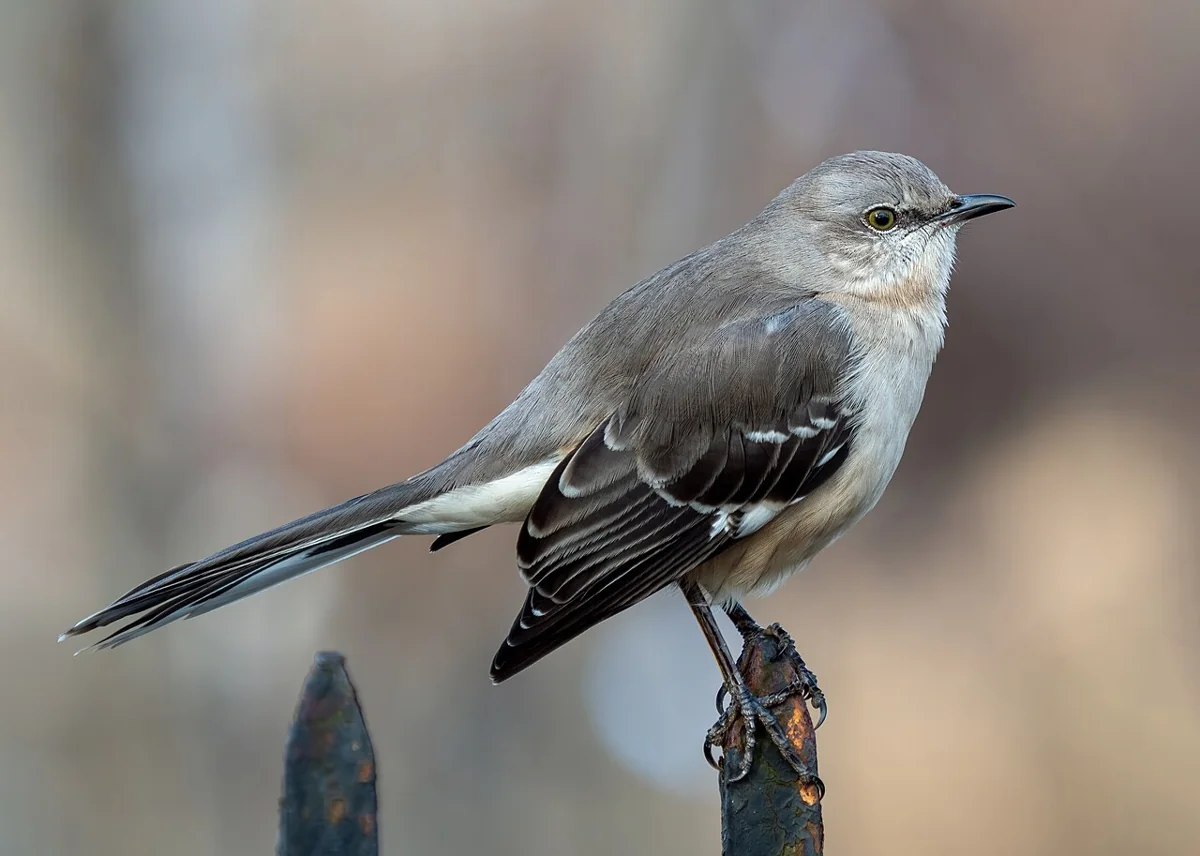
Learning neighborhood bird sounds becomes more manageable when you choose a small set and learn it carefully. A long playlist can make many sounds feel briefly familiar without making any one of them retrievable outdoors. Begin with a few birds that you can reasonably expect nearby and, ideally, see while they vocalize. You are building an association that you can check.
Choose a quiet listening session at home and a short field session as two parts of the exercise. Use labeled recordings for the first and ordinary, unprovoked birds for the second. Listen through headphones or a speaker away from wild birds when reviewing material. There is no need to broadcast a call outside to test whether a bird responds.
Build a small local set
Start with two or three common birds from a reliable regional guide. Check that the recordings represent a sound you might hear at your location and season. A species can produce many songs and calls, and a single dramatic recording may not represent its most frequent neighborhood sound. Read the recording label before memorizing it.
Keep one sound type per species at first. You might learn a familiar song from one bird and a common call from another, while clearly labeling the distinction in your notes. Once those associations become reliable, add another sound from a species you already know. This makes variation within a bird easier to understand without expanding the list too quickly.
Describe the phrase before naming it
Listen for rhythm, repetition, pitch and tone. Is the phrase a smooth whistle, a rough buzz or a series of separated notes? Does it rise, fall or remain fairly level? Are the pauses regular? A description built from several properties is more portable than a vague impression that the sound was musical or loud.
A mnemonic can help you remember the pattern, but it reflects your own hearing and language. Another listener may hear different syllables. Keep the rhythm and pitch relationship alongside any words you invent. If the mnemonic starts making you ignore notes that do not fit, return to the original recording and revise it.
Compare more than one recording
After learning one example, listen to other labeled recordings of the same sound type. Notice what varies between individuals and what remains recognizable. A different distance, background or microphone can alter the impression. Bird songs can also vary geographically, so local or regional recordings are especially valuable when available.
Then compare the closest confusing sound in your small set. Alternate the two recordings and state the difference aloud or in a note. It might be the pause between phrases, the pitch direction or the quality of the final note. A concrete distinction gives your memory something to retrieve when both possibilities occur during a walk.
Find a visible caller
Outside, stop and follow one repeated sound rather than trying to identify the whole soundscape. Look for a bird whose bill or throat movement coincides with the phrase. Several birds may occupy the same tree, so the most visible bird is not automatically the caller. Wait for repeated agreement between sound and movement where the view permits it.
Keep your own position steady and allow the bird to continue. A clear association with an ordinary local species can be a better learning moment than a distant unidentified rarity. If the caller remains hidden, record the sound’s description and direction. The unresolved encounter becomes material for later comparison without creating an incorrect association.
Use short retrieval practice
At home, play a recording without looking at its name, make a choice and explain which feature you used. Then reveal the label. Include an “uncertain” option in your own practice so every clip does not become a forced guess. When you miss one, compare it directly with the sound you confused it with.
Repeat the exercise on another day using a different recording of the same bird. Success with one memorized file may reflect its background noise or timing rather than the bird’s voice. Changing examples checks whether you learned a transferable pattern. Keep the session brief enough to listen attentively, and expand the set when the current distinctions are becoming dependable.
Treat app suggestions as questions to check
A sound-identification app can suggest a candidate and draw your attention to a phrase you missed. Review the saved segment, compare a trusted reference and try to locate the caller. A suggested name by itself does not supply the visual or acoustic evidence needed to confirm every encounter. Background sounds, unusual vocalizations and unsupported species can complicate automated results.
Cornell’s Merlin guidance explains that sound support varies and that some species or call types may be missed. Check the app’s current help for its coverage. When a suggestion conflicts with what you hear or with strong local context, preserve the recording and seek a better comparison. Repeated suggestions of the same name do not replace checking the underlying sound.
Allow for mimics and unfamiliar repertoires
If a phrase is difficult to hear clearly, improve the listening conditions before making the task harder. Stop handling equipment, move away from your own conversation and let a vehicle pass. Keep ordinary access and wildlife distance boundaries. A quieter moment can reveal the spaces between notes that background noise had merged into one continuous sound.
Some birds imitate sounds associated with other species. A Blue Jay can produce hawk-like calls, and starlings have varied repertoires. This makes a visible caller particularly valuable when a familiar phrase seems to come from an unexpected place. Learn the broader voice gradually rather than assuming every recognizable imitation proves the imitated species is present.
End a field session with one sound you verified and one distinction to revisit. You might have confidently connected a repeated phrase to a visible bird while leaving a similar hidden sound unresolved. That small result builds a dependable local vocabulary. As it grows, familiar voices can help you find birds, recognize changes in the soundscape and notice a new sound worth studying.
Keep exploring
Start with the silhouette: size and shape
Separate structural clues from uncertain distance estimates.
What a bird’s bill can tell you
Use bill proportions without treating diet as a species verdict.
Read wing bars without losing the whole bird
Locate wing patterns and distinguish visible absence from a hidden mark.