
Fieldcraft
Repeat a short route and learn what changed
Keep effort comparable and distinguish detection from abundance.
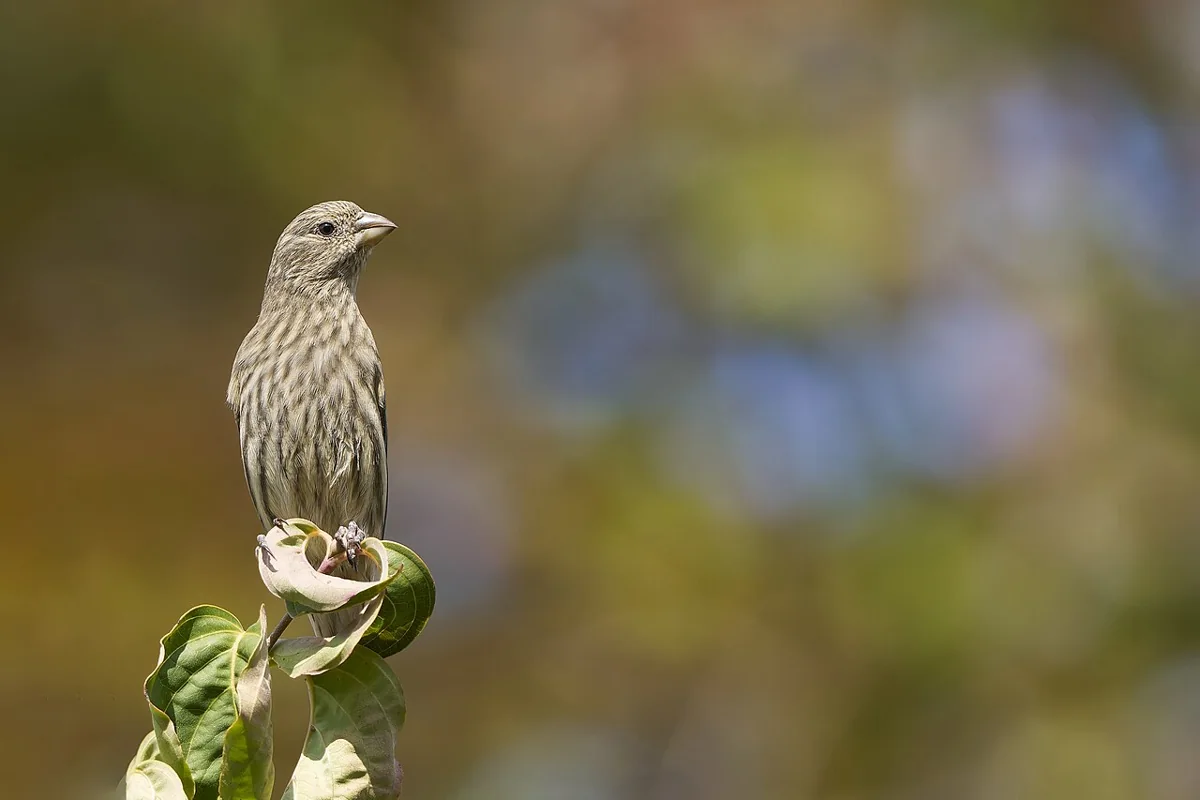
A familiar route becomes more informative when you can compare visits without relying on memory alone. A robin on one morning and no robin the next may reflect movement, weather, noise or where you looked. Repeating a small route gives you a way to ask what changed while keeping the observation effort reasonably similar.
Choose a short public path or a fixed viewing place that you can use regularly. The exercise is a personal observation routine. It can reveal patterns worth investigating, but a few walks cannot establish population trends or explain why a species changed. Keep the effort and the conditions beside the bird list so later comparisons remain grounded in the visits you actually made.
Define a route you can repeat
Use obvious endpoints, such as the park entrance and the pond overlook, and decide which permitted paths connect them. Note the main habitats you pass. A loop may include lawn, shrubs and trees, while a seated viewpoint covers a smaller fixed area. Select a format that fits your mobility and schedule. Consistency comes from a repeatable choice, not from walking a particular distance.
Keep a simple route description or sketch. If construction or a closure changes access, follow the current rules and record the change. You can start a revised route series rather than pretending the visits cover identical ground. The description should be specific enough that you could explain where the observation began, where it ended and which areas were outside its scope.
Record effort with every visit
Write the date, start time and duration. Add distance or the route version when you travel, and note whether birding was your main activity. A focused fifteen-minute stop offers a different opportunity to detect birds than a distracted passage while commuting. Both can be recorded, but they need to remain distinguishable when you compare them.
Choose a comfortable pace with a few repeatable pauses. You might stop at the same shrub edge and tree junction each time. Exact stopwatch control is unnecessary for this personal routine, but large changes in duration matter. If an interesting bird keeps you at one stop much longer, retain that observation and note the extra effort rather than hiding it to make the visit look standardized.
Keep the observation scope honest
If you are trying to record every species you can identify during the session, include familiar birds as well as unusual ones. A list containing only new or interesting species answers a different question. eBird’s complete-checklist concept makes this distinction explicit. For a private series, record whether the list is comprehensive within your ability or a selection of particular observations.
Unidentified birds can remain broad labels in your notes. Avoid adding a species simply because it usually occurs at the site. Likewise, a bird heard but unseen can be included as an auditory observation when the identification is reliable. Keep a note when sound was uncertain or masked by noise. The goal is a record of the encounter rather than a reconstruction of what ought to have been there.
Compare the conditions before the totals
Look at time, wind, precipitation, foliage and human activity before interpreting a different species count. More leaves can obscure a familiar tree. A lawn mower can mask calls. A busy event can change where you can stop. These factors may affect detection even when birds remain nearby. Describe the conditions that mattered, using ordinary observations rather than unsupported numerical estimates.
Your own skill can also change the record. Learning a new call may increase the number of birds you identify without any change in the birds present. A borrowed binocular can make a distant perch easier to inspect. Note those changes when they materially affect the comparison. A growing list can document your learning as much as the local bird community.
Ask a question the series can address
Start with a bounded question such as when you first noticed a seasonal visitor on this route, or which habitat section repeatedly held a particular bird. Those questions connect directly to your records. A first observation is a detection date for you, not necessarily the arrival date for the whole area. The distinction remains important even after several seasons of visits.
A hypothetical comparison might involve five visits in a similar morning window, with a species detected during the last two. You can say you recorded it on those visits. Before claiming it became more common, consider the number of individuals, visibility, effort and identification skill. The example illustrates how to read a small series, rather than report results from a study.
Preserve differences instead of smoothing them away
Some visits will depart from the routine. You may need to stop early, take a different path or bird with a group. Keep those records and label the difference. You can compare the most similar visits first while retaining the others as context. Deleting every inconvenient visit can create a misleading impression of regularity.
Keep original counts or estimates with their methods. If you later correct an identification, add the reason and date without rewriting the weather or effort. For repeated feeder or pond visits, consider whether returning individuals were counted more than once. A clean-looking spreadsheet cannot compensate for missing encounter boundaries, so preserve the notes that explain how each number was obtained.
Use the next visit to test a small idea
A pattern can suggest an observation to make deliberately. If birds are often heard in one section but seldom seen, pause there quietly and study the available sightlines. If an afternoon visit differs from the morning routine, compare it as a separate timing question. Keep the question narrow enough that you can describe what the next session added.
Back up the route notes along with individual sightings. A useful series links each visit to a place, an effort and the evidence collected under those conditions. Over time you gain familiarity with ordinary changes and a better sense of what deserves closer investigation. That familiarity remains valuable even when the records leave the cause of a change unresolved.
Keep exploring
Your first fifteen-minute bird walk
Run a small observation session with a clear start, route and note.
Set up binoculars before the bird appears
Adjust eye spacing, eyecups, focus and diopter in a repeatable order.
Find the bird before lifting binoculars
Transfer an unaided view to binoculars using landmarks and a steady stance.