
Fieldcraft
Write field notes you can use later
Separate observed evidence, uncertainty and interpretation.
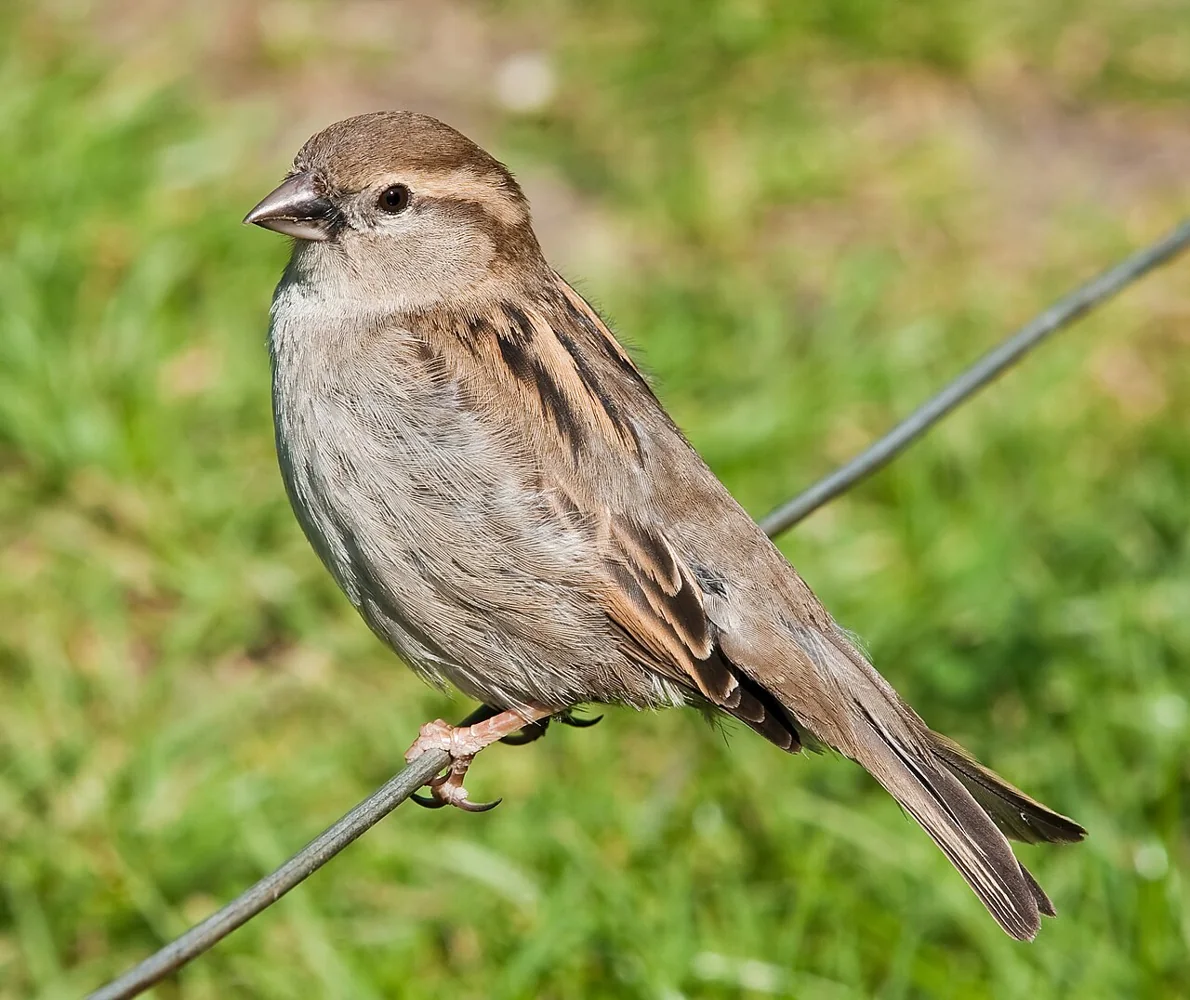
A field note should help you understand an observation after the scene has disappeared. The date and bird name provide a beginning, but they rarely explain why you chose that name or what the bird was doing. A few well-chosen descriptive details can preserve the encounter without turning a short walk into an exercise in exhaustive writing.
Build the note around three kinds of information. Record the encounter’s setting and effort, the evidence you saw or heard, and your interpretation of that evidence. Keep later changes distinguishable from the original description. This organization works in a paper notebook, a plain text file or Tulipmane’s local log, provided you can find the record again.
Give the encounter a clear boundary
Start with the date and a useful place description. Add approximate time and duration when they help explain the observation. A bird recorded during a stationary pause beside a pond has a different context from one noticed while crossing the whole park. Include whether you stayed in one place or moved, especially if you intend to compare visits later.
A place description can be precise without exposing a private address or sensitive nest location. “Shrub edge beside the north public path” may be sufficient for your own learning. If you share the note, remove details that would direct others toward vulnerable birds or private property. The appropriate level of location detail depends on the purpose of the record and the audience.
Write the evidence before the explanation
Describe the features that were visible. Body proportions, bill shape, head pattern, wing markings and tail details can help another reader follow the identification. Choose the strongest features rather than listing every color in the scene. Note the viewing angle when it concealed something important. An unseen flank cannot be recorded as plain merely because you noticed no streaks.
Then add the candidate name and the reason for it. If a similar species was plausible, state which observed clue helped you distinguish it. This keeps the explanation connected to evidence. A description that could fit several species may still be valuable, but it should lead to a broader label or an explicit open question rather than a falsely exact result.
Use ordinary words and quick sketches
You do not need specialized feather terminology to begin. “Pale line above the eye” is understandable, and you can learn the corresponding field-guide term afterward. Describe the location of a marking carefully. A line above the eye and a ring around the eye are different observations. A rough outline with an arrow can preserve that distinction when words feel cumbersome.
A sketch records relationships rather than artistic skill. You might draw where a dark patch meets a pale throat or how far the tail extends behind the body. Mark areas you could not see instead of filling them from a guide. If you consult a reference later, keep any added interpretation separate so the drawing remains an honest account of the original view. Even a few labeled lines can distinguish a remembered pattern from a detail you still need to observe.
Make behavior a sequence
“Fed on the lawn” is a start, but a sequence can make the note more informative. Describe whether the bird walked, paused, probed, hopped or carried an item away. These verbs preserve actions that you can compare with another encounter. An explanation such as “looking for worms” needs stronger evidence than a bird lowering its head toward the grass.
Keep the end of your view separate from the end of the behavior. A bird disappearing behind a tree may continue the activity beyond sight. Write that you watched it carry food behind the trunk, rather than asserting that it ate there. Small distinctions like this prevent a reasonable inference from silently becoming an observed event in your record.
Handle sounds and numbers explicitly
For a sound, describe rhythm, repetition and quality in your own words. Note whether you connected the sound to a visible bird. Several species may be calling together, so an unseen voice and a nearby visible bird should remain separate until you have a reason to link them. A short authentic recording can help review the encounter later on your own device.
For a count, record the method and its limits. You might have counted individuals, estimated a group in blocks or noted the highest number visible together. Repeated visits to a feeder can involve the same bird. A number without that context can be difficult to interpret, particularly if you later compare it with a count made during a longer or wider-ranging visit.
Keep the view’s weaknesses in the note
Light, distance, foliage, noise and observation time affect what you can report. Mention the limitation that actually mattered rather than adding a generic disclaimer to every record. A backlit bird may have a useful silhouette but uncertain color. A nearby bird seen for a second may provide a clear wing patch and little else.
For a hypothetical example, a note could read “small bird in shrubs, pale eyebrow and streaked breast, side view brief, candidate sparrow, bill hidden.” That note identifies useful evidence and the missing feature. It leaves you with a specific comparison to make. The example illustrates a record format and does not represent a reported field encounter.
Revise without rewriting the encounter
After consulting references, add a dated interpretation or correction. Preserve the original observations even if the name changes. A later photograph of another bird can teach you a distinction but cannot supply a hidden feature from the earlier sighting. If an original image supports the revision, keep its filename with the note so you can trace the reasoning.
Before leaving a digital record, check that it was saved and make a backup of notes you want to retain. Tulipmane’s log stores entries in the current browser and exports JSON backups. A short, clear record is worth keeping because it connects a real encounter with evidence you can still assess later, including the questions the encounter left unanswered.
Keep exploring
Your first fifteen-minute bird walk
Run a small observation session with a clear start, route and note.
Set up binoculars before the bird appears
Adjust eye spacing, eyecups, focus and diopter in a repeatable order.
Find the bird before lifting binoculars
Transfer an unaided view to binoculars using landmarks and a steady stance.