
Seasons & habitats
Dawn or midday: choose a useful observation window
Match timing to species, season and personal access instead of a universal best hour.
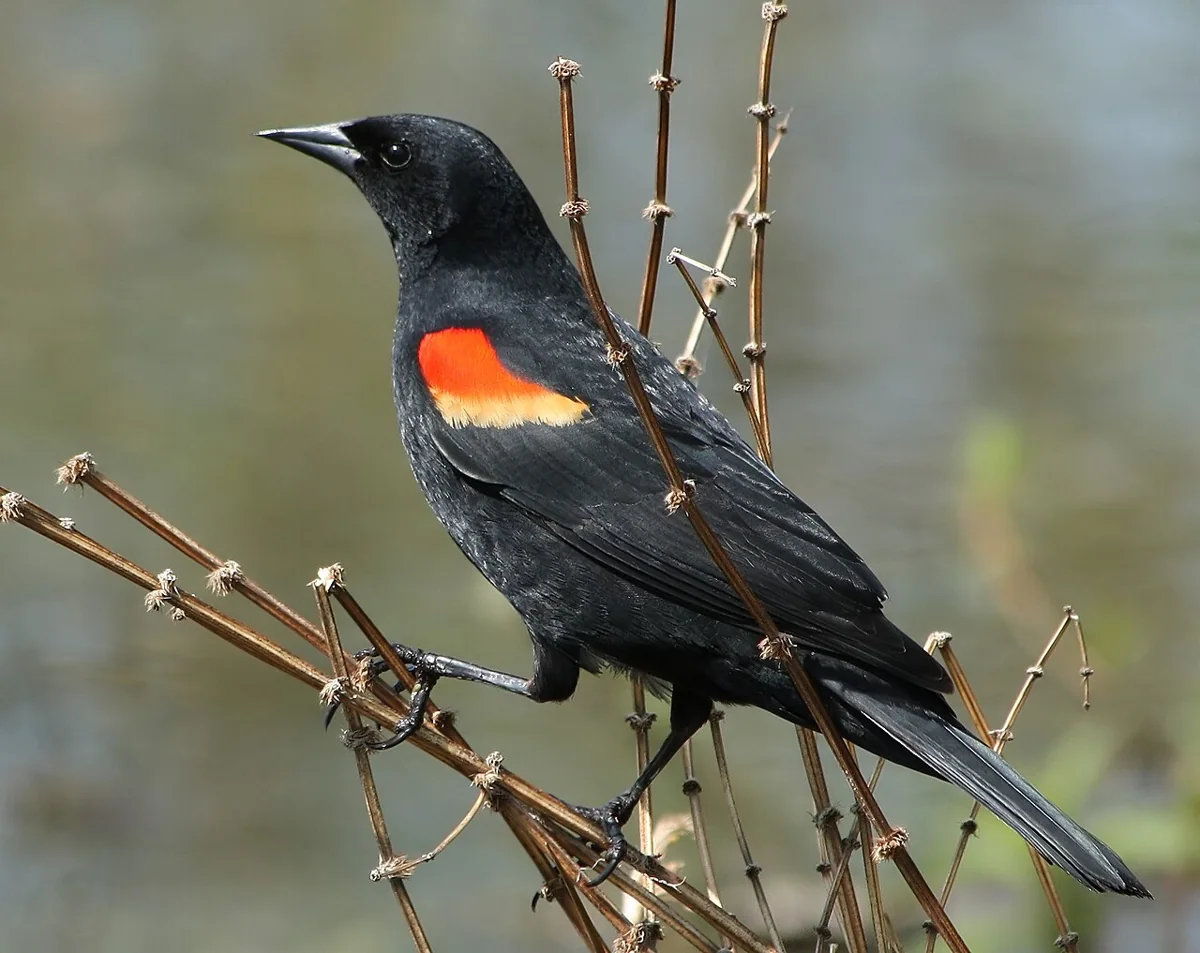
The best observation window depends on what you want to notice and which birds you can reasonably expect. A spring listening session, a lunchtime look at a pond and an evening watch from a window answer different questions. Early morning offers real advantages for some tasks, but it does not make every other hour unproductive.
Start with a specific aim. You might want to connect a familiar song with its singer, compare a visible bird’s markings or follow a feeding sequence. Then consider season, light, access and weather. A window that fits those conditions and your schedule is more useful than an idealized hour you rarely have an opportunity to use.
Choose morning for the task it serves
Many birds sing prominently around dawn during the breeding season. That activity can reveal birds hidden in foliage and give you repeated phrases to study. A quieter park and calmer listening conditions may also help, depending on the place. Arrive only when access is permitted, and use a route you can navigate safely in the available light.
A full chorus can also be challenging for a beginner. Several overlapping voices make it hard to connect one sound with one bird. You can focus on a single repeated phrase or return a little later when the scene is easier to separate. The loudest moment is not automatically the easiest learning moment. Keep the sound unresolved when you cannot identify its source.
Use daylight for visible comparisons
For plumage and structure, the light on the bird and the viewing angle can matter more than the exact clock time. A bird against the bright sky may remain difficult even on a clear morning. A later view against vegetation can reveal patterns that the earlier silhouette concealed. Choose a permitted position where you can watch without approaching the bird.
At a pond or lawn, daytime can provide opportunities to compare birds already in view. Watch their proportions, feeding movements and interactions at a comfortable pace. Avoid assuming that a quieter midday period means the site is empty. Some birds may be resting, hidden or less vocal, while other activities remain visible from the same viewpoint.
Consider evening as another window
The end of the day can bring renewed vocal activity or birds moving toward overnight resting areas. It also gives many people a practical chance to visit a familiar patch. Plan around the remaining light and the site’s closing time. A route that is easy to follow at arrival can become more difficult by the time you return.
Watching late activity does not require searching for a roost or approaching resting birds. Observe movements from a suitable public position and keep exact sensitive locations private. If the view becomes too dark to resolve markings, record the visible silhouette or sound at an appropriate level. Artificial light and audio attraction may be restricted and can affect birds, so follow local guidance.
Use sunrise and season as context
A fixed clock hour describes different light conditions across seasons and locations. An early-summer morning in southern Canada and a winter morning farther south cannot share one universal schedule. Note the approximate relationship to sunrise when it matters to your observation. Keep local daylight, weather and access information current rather than relying on a memorable time from another place.
Species also differ in daily activity. Familiar daytime birds do not represent all birds, and some species become active around dusk or at night. This beginner guide focuses on neighborhood and city-park observation. A specialized nocturnal outing requires its own regional knowledge, permissions and planning. You can develop daytime familiarity before choosing to study a different activity period.
Match the window to the question
For learning a song, seek a period when the local species is vocal and you can isolate its sound. For comparing field marks, prioritize a visible bird in workable light. For studying feeding, follow an ordinary active sequence wherever it occurs. For a first short session, choose a comfortable time you can repeat and keep the goal modest.
These choices can overlap. A morning bird may provide both song and a good side view, while a lunch break may produce the clearest example of a familiar behavior. Let the actual opportunity refine the task. You can finish with a useful description even when the encounter differs from the one you planned before leaving home.
Compare two windows fairly
Try the same small patch at two different times on suitable days. Keep duration and viewpoint reasonably similar, and record weather, background noise and whether you were concentrating on birds. Note which species you detected and whether each was seen, heard or both. This creates a comparison you can interpret without relying on a general impression of busyness.
Differences between those visits may reflect detectability, movement, day-to-day variation or your developing skills. A single pair of sessions cannot establish a species’ daily schedule. Treat the result as a question for another visit. If a call is consistently easier to hear earlier, you have a practical lead to investigate, while the biological explanation remains open. Keep the actual start times with both records, including the time zone when traveling, so a later comparison does not confuse a clock change with a change in bird activity.
Make comfort and access part of the decision
Check current conditions and choose a window you can use comfortably. Heat, cold, poor footing or a closed entrance can outweigh an expected observation advantage. In hot weather, official guidance often favors limiting exposure and considering cooler periods. Your own needs and local advisories determine what is appropriate, and a window view can be a practical alternative.
Record why you chose the session and what it allowed you to observe. Over repeated visits, you will learn which local windows suit your goals. Keep that familiarity flexible as seasons, birds and site conditions change. Birding becomes easier to fit into everyday life when you choose a real opportunity, watch attentively and leave a clear account of what that opportunity revealed.
Keep exploring
Read a range map as a starting point
Combine season, region and local habitat rather than treating a boundary as a fence.
Why migration dates vary from place to place
Interpret broad seasonal patterns without promising an arrival date.
Find the small habitats inside a city park
Plan an accessible observation route across lawn, edge and canopy.