
Look-alikes
Black-capped or Carolina Chickadee?
Understand why range and multiple clues matter in the contact zone.
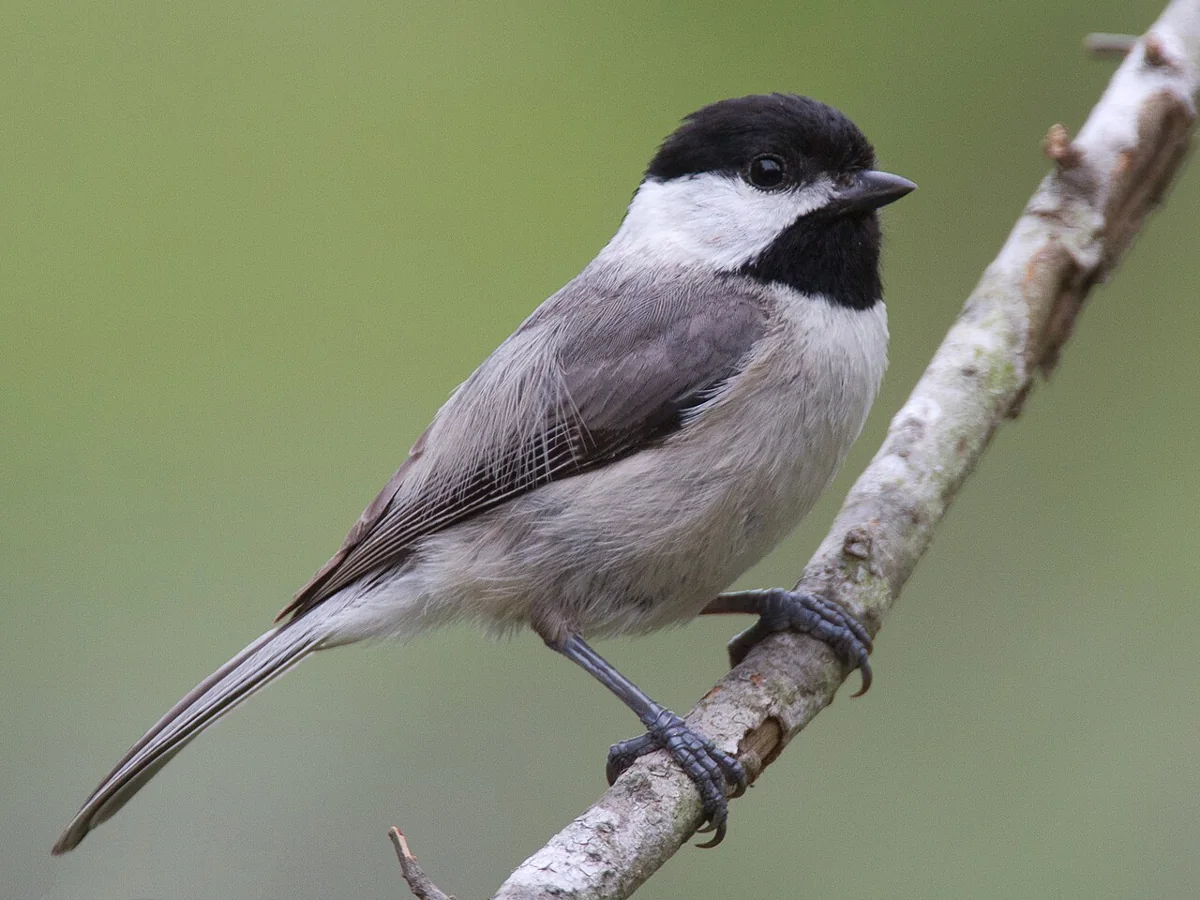
Black-capped and Carolina Chickadees present a different challenge from many familiar look-alikes. Their similarities extend beyond one shared color or pattern, and they can hybridize where their ranges meet. The useful outcome of a comparison may therefore be knowing when an exact species label is unsupported. A careful study can improve observation even when the final record remains at chickadee level.
Start with an up-to-date regional range resource and your actual location. Black-capped Chickadees occupy much of northern North America, while Carolina Chickadees are associated primarily with the southeastern and south-central United States. Broad geography is helpful, but the meeting region and some Appalachian situations need finer information than a continental thumbnail can provide.
Check the date of a boundary map
Audubon’s detailed comparison was published in 2013 and explains the importance of the contact zone. Its map and descriptions provide historical context rather than a precise present-day line for every neighborhood. Consult current local resources when your observation lies near the meeting region. A boundary that shifts over time should not become a permanent memorized border.
Within an area of contact or hybridization, intermediate birds can be difficult or impossible to assign confidently from an ordinary field view. A bird does not need to look dramatically unusual to raise that issue. Keep geography in the record and resist using one subtle mark as a way to bypass the biological complexity.
Fresh wings offer a useful comparison
Elevation can make a broad regional expectation more complicated, particularly in the Appalachians. The comparison source describes places with Carolina Chickadees in lowlands and Black-cappeds higher up. A state name alone can therefore omit relevant information. Include the approximate habitat and elevation context when asking for local help, while avoiding sensitive or private location details. Current regional guidance is the appropriate way to interpret that context for a particular place today.
Black-capped Chickadees typically show stronger pale edging and contrast on the folded wings than Carolina Chickadees, particularly in fresh plumage. Carolina wings often look plainer and grayer by comparison. These are differences in degree, so compare good views and several labeled examples. A brief gray wing in shade is unlikely to establish the species by itself.
Light affects the impression. Gray feather edges can reflect brightly from one angle and look nearly white. Follow a relaxed bird through a natural turn before deciding how much contrast is present. If the wing remains concealed behind a branch or the bird’s body, keep that observation unresolved instead of treating concealment as a plain-winged appearance.
Season changes the strength of the marks
Feather wear can reduce visible contrasts as the year progresses. The Audubon comparison describes differences as more apparent in fresh fall and winter plumage, and less clear on worn birds later in the breeding season. A field-guide photograph of a crisp individual may therefore be a poor match for the condition of the bird you are watching.
Record the date and inspect the bird’s actual feather appearance. You do not need to diagnose the precise stage of molt to recognize that worn feathers deserve caution. When a candidate depends on a very fine contrast, unfavorable condition and light can remove the evidence needed for an exact determination.
Face and bib are supporting details
Both species have a dark cap and throat against pale cheeks. In a clear side view, the Black-capped’s white cheek often stays bright toward the upper back, while the Carolina’s fades toward gray near the nape. The lower edge of the Black-capped’s bib often looks less even. Feathers and posture can change both impressions. They deserve less weight than a clear, coherent set of observations.
A bird turning its head, raising feathers or leaning forward can make a bib edge seem tidy in one moment and uneven in the next. Watch the same region across several poses. If the distinction exists only in a single frame, describe it cautiously. A photograph can preserve the pose without proving that the pose represents a stable species difference.
Size is rarely a convenient shortcut
Black-capped Chickadees average larger and longer-tailed than Carolina Chickadees, but size varies geographically. Near their meeting region, the difference may be modest even in direct comparison. A lone bird on a distant branch offers a particularly weak basis for applying the average. Overall familiarity helps, but it cannot turn an uncertain impression into a measurement.
If you do have a fair side-by-side view, record what you compared and whether both birds were at similar distances. Then consider the other evidence. One fluffed bird may look heavier than a sleeker neighbor, and a tail pointing toward you may look short. These ordinary viewing effects matter when the biological difference itself is subtle.
Voice also has limitations
A typical Black-capped song has two or three syllables, while a typical Carolina song has four. Their calls can also differ in pace and pitch. Learning those patterns from reliable regional recordings can be rewarding. However, the species can learn one another’s songs near the contact region, so a matching song there may fail to establish an unambiguous identity. A mnemonic alone cannot solve that problem.
Connect the sound to the visible bird and record which sound type you heard. Both species produce varied calls, many of which are poor separators. A generic chickadee call from a flock should not outweigh conflicting geographic or plumage evidence. If voice is the strongest clue, retaining a recording gives a later reviewer something more useful than a confident but unexplained name.
Use an evidence-based stopping point
Outside the difficult meeting region, current regional expectation and a matching bird can provide a straightforward identification. Near it, the same observations may support only Black-capped/Carolina Chickadee or chickadee species. Choose the narrowest label your evidence supports, including what you know about location and what remains unresolved in the bird’s appearance or voice.
A worthwhile record can describe fresh wing contrast, the observed call, date and approximate place without pretending those clues eliminate hybrid ancestry. Continue studying ordinary movements and feeding behavior from a respectful distance. The bird remains an excellent subject even when its appearance cannot answer every taxonomic question a field guide invites you to ask.