
Seasons & habitats
Observe summer birds without approaching nests
Adjust effort and observation position during the breeding season.
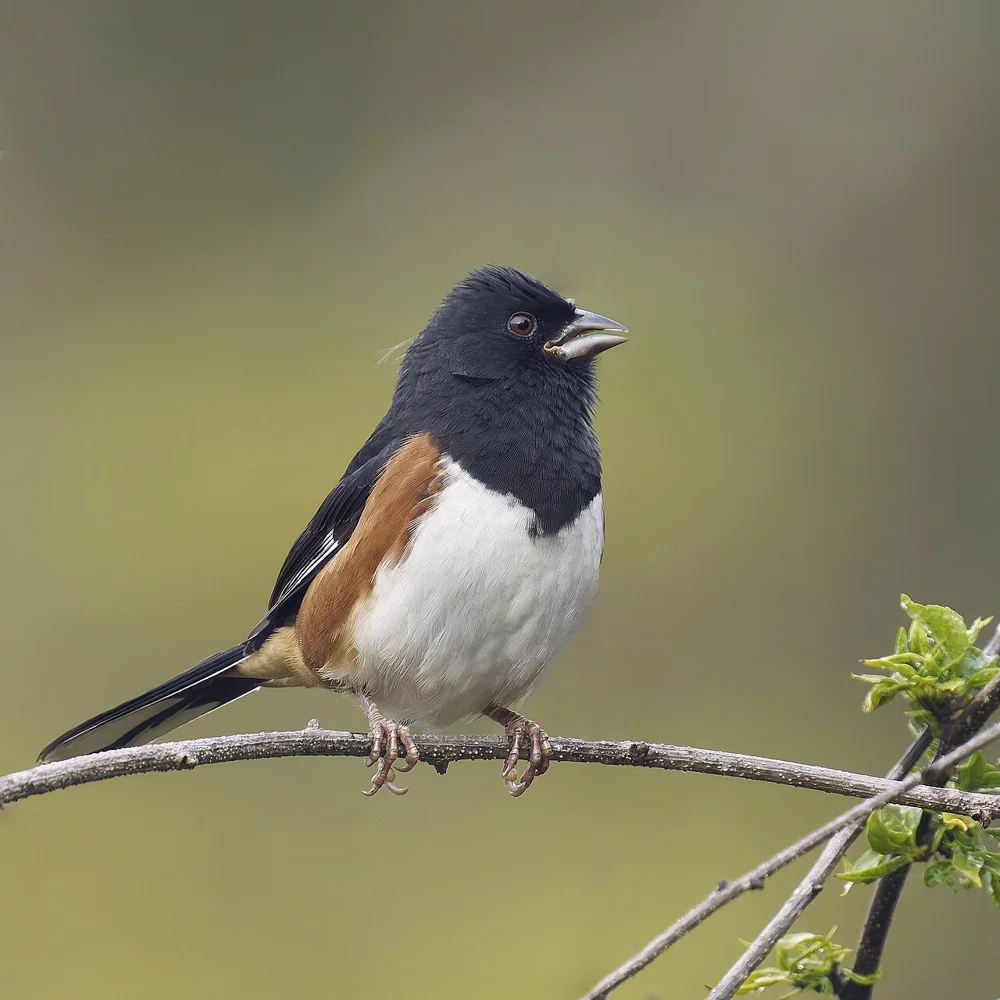
Summer observation can show birds carrying food, singing from familiar perches or moving through shrubs with young nearby. It also places an observer close to activities that need space. Plan a walk around visible behavior and permitted viewpoints, while allowing any suspected nesting area to remain undisturbed. You can learn a great deal without finding the nest itself.
The breeding season varies with species and region, and some birds nest later than a beginner expects. A calendar date cannot establish that a particular patch is clear of nesting activity. Use current site guidance and what is happening around you. A quiet corner can still contain an occupied cavity, a ground nest or young concealed in vegetation.
Look at the route before the birds
Choose paths that give a view across habitat rather than lead directly into it. Open overlooks, benches and established trails can provide opportunities to watch birds at a distance. Check seasonal closures, fenced areas and posted buffers before starting. If a closure changes your usual loop, adapt the route instead of treating the familiar path as permission to continue.
Give yourself a way to shorten or end the visit. Warm weather, crowded paths or active nesting near the route can make another session more appropriate. A nearby viewpoint may offer a useful alternative without approaching the same birds from another direction. Keep your observation goal flexible enough that you can leave a sensitive place when the situation calls for it.
Watch the behavior that is already visible
A bird carrying an item in its bill gives you something specific to describe. Record whether it was visible food or material, where the bird paused, and which direction it moved. The destination may remain unknown. Repeated travel toward a concealed point can suggest breeding activity, but you do not need to follow the route to turn that suggestion into a useful observation.
Similarly, a song or display can be watched from the permitted path. Note the sequence and whether the bird continued naturally while you remained still. Avoid playing recordings to bring a bird closer or obtain another performance. An undisturbed distant view often tells you more about ordinary activity than a close response produced by your equipment.
Treat changes during your approach seriously
If a bird stops feeding, becomes conspicuously alert, repeatedly alarms or moves away as you advance, increase your distance. The response may have more than one cause, but it supplies a reason for restraint. Waiting until a bird leaves the nest or flies far away uses the strongest reaction as your boundary, after the activity may already have been interrupted.
Move away quietly and leave the immediate area when necessary. Avoid testing whether one more step will produce a reaction. Canadian guidance describes alert and flush responses when considering disturbance, and emphasizes that suitable setbacks vary by species and circumstances. Follow the land manager’s buffers and directions, which may need more space than your own first impression suggests. If you cannot retreat without passing the suspected nest, use the clearest existing path and avoid repeated crossings.
Remember that nests can be difficult to recognize
A nest need not be a conspicuous cup on a branch. Some birds use cavities or small ground depressions, and the location can be hard to see from a trail. Walking into cover to search for a nest can damage the very place you hoped to observe. It can also expose a route that other visitors or predators may follow.
Keep branches and vegetation in place, and avoid marking a suspected nest. If you unexpectedly come close to nesting activity, withdraw using the least disruptive available route. Report a concern to site staff when appropriate, especially where visitors or maintenance activity could create a problem. A recreational observer’s role is to reduce disturbance and communicate the concern through the responsible channel.
Give young birds room
A young bird outside a visible nest may still be receiving parental care. Observe from a distance rather than assuming that being on the ground establishes an emergency. Your presence close to the bird can affect whether adults approach. Keep people and pets from crowding the spot, and let the family’s activity continue without trying to arrange a clearer scene.
If you believe a bird is injured or faces immediate danger, seek guidance from the appropriate local wildlife authority or licensed rehabilitator. Describe what you observed and follow their instructions. Avoid using this general observation guide as a basis for handling or feeding a bird. The right response depends on the species, condition, location and current local requirements.
Adjust observation for foliage and sound
Dense summer leaves can conceal birds that were easy to see earlier in the year. Spend time listening, then watch natural openings from the path. A singer can remain unidentified when the sound is unfamiliar and the bird stays hidden. Keep an auditory observation separate from the visible bird nearby unless you connected the voice to that individual.
Warmth, wind and human noise also change the experience. Choose a comfortable period and check current weather information before going out. A shorter session from a shaded, permitted position may fit your needs better than a longer exposed route. Your record can explain that the view was restricted by leaves or that background noise limited listening.
Keep the information without exposing the site
Use general location descriptions for sensitive activity, particularly when sharing a photograph or public note. A precise nest pin can bring repeated visitors long after your own encounter ends. You can describe courtship, food carrying or family behavior without publishing the destination. Retain only the detail needed for your purpose and any responsible reporting channel.
After the visit, review whether your route allowed birds to continue feeding and moving. If one section repeatedly causes alarm or blocks a commute, choose another path next time. The useful summer record includes the behavior you actually saw and the limits of the view. It can leave the nest hidden while still deepening your understanding of familiar neighborhood birds.
Keep exploring
Read a range map as a starting point
Combine season, region and local habitat rather than treating a boundary as a fence.
Why migration dates vary from place to place
Interpret broad seasonal patterns without promising an arrival date.
Find the small habitats inside a city park
Plan an accessible observation route across lawn, edge and canopy.