
Seasons & habitats
Look for winter birds beyond the feeder
Use sheltered edges and mixed flocks while respecting energy demands.
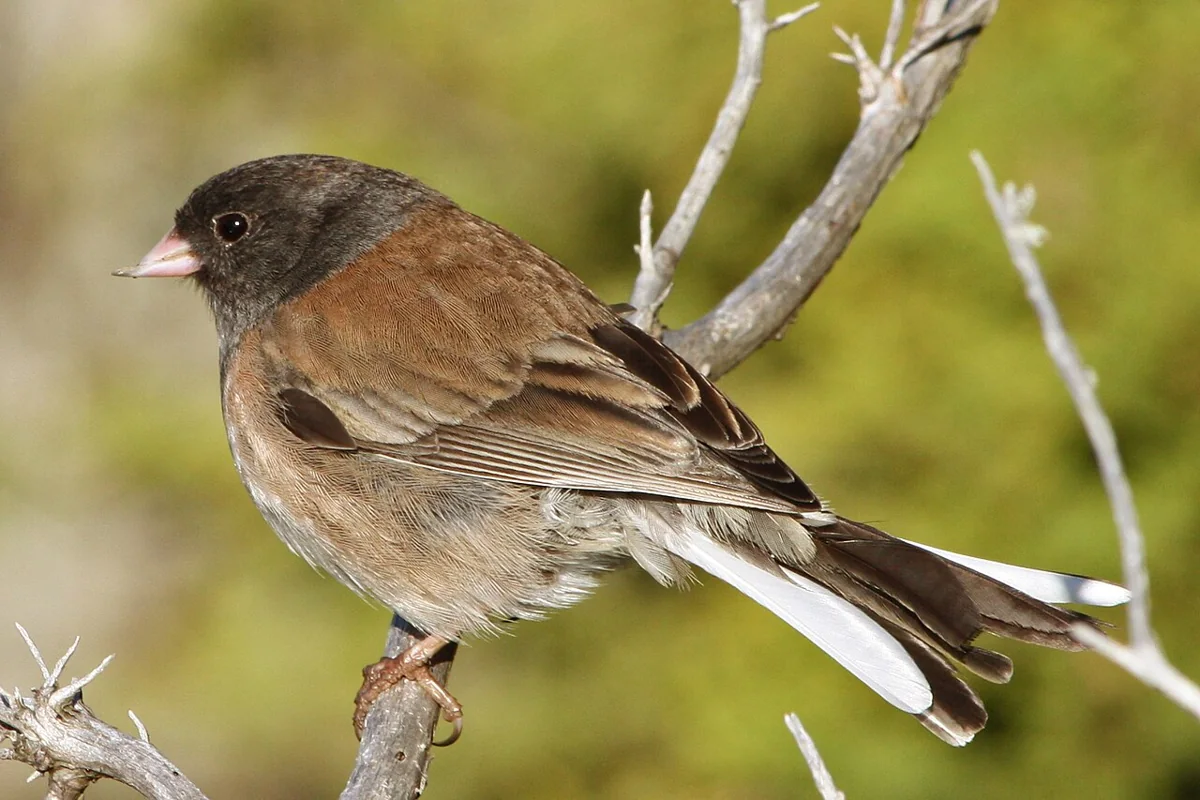
A winter park can seem quiet from the middle of an exposed path. A few steps farther along, a sheltered edge may hold chickadees searching twigs, sparrows close to the ground or birds feeding on remaining fruit. Winter observation becomes more informative when you look for the resources and cover birds are using, rather than checking only the places where they were conspicuous in summer.
Choose conditions and access that are safe for you. Check the local forecast, daylight, path conditions and closures. A short view from a sheltered bench or window can be enough for a useful session. Birds’ ability to cope with cold does not determine whether a route is safe for a person, especially around ice, exposed water or strong winds.
Begin with the local winter community
Some familiar birds remain in a region year-round, others arrive from farther north, and some leave. Their distribution varies across North America. A winter list from Oklahoma or Minnesota can illustrate possibilities, but it does not describe every city. Consult a regional source and keep the date in mind before expecting a bird because it appears in a general winter guide.
Even year-round presence does not identify the same individuals. A robin seen in December may differ from one seen nesting nearby in June. Your observation establishes the species on that date, with whatever identification evidence you recorded. A repeated personal history requires additional information. This distinction helps keep an interesting seasonal record from becoming an unsupported account of individual residence.
Watch sheltered cover from outside it
Dense shrubs, evergreens and cavities can provide shelter. Birds may use places that reduce exposure to wind, especially while resting. Choose a viewpoint along a permitted edge and wait for natural activity. Avoid entering the cover or inspecting cavities. A bird remaining concealed may be using precisely the protection that your approach would remove.
Look at movement between cover and feeding areas. A bird may cross a small opening, search briefly and return. Record that sequence without repeatedly encouraging it back into the open. If the activity changes as you approach, give it more room. Winter days can make efficient feeding important, and an observer can choose a more distant view without diagnosing the bird’s exact energy state.
Inspect natural food surfaces
Bark, twigs, seed heads, fallen material and remaining fruit can all deserve attention. Chickadees and nuthatches continue searching trees, and a fruiting plant may concentrate birds that were absent from an earlier visit. A feeder is one possible observation point, while the broader park shows the variety of naturally available feeding places.
Watch what the bird actually takes when the view allows it. A small bill movement among twigs may not reveal the food item. A visible berry transfer supplies a different level of detail. Keep action and food identification separate in your notes. The season changes what resources are available, but it does not prove what every individual ate during a particular search.
Listen for a moving mixed flock
A loose association of small birds can bring sudden activity to a quiet winter path. Chickadees, nuthatches and woodpeckers are among the possible participants in many regions. Calls may reveal the movement before the birds appear. Pause and scan the trunk, fine branches and nearby shrubs instead of assuming all the activity belongs to the first species you recognize.
Let the group pass through your viewpoint naturally. Following too closely can keep birds moving ahead of you and make the encounter harder to interpret. Several appearances may involve the same individuals looping around branches. Use a minimum number seen together when that is the clearest basis, and leave fast-moving unidentified birds as unresolved observations.
Use bare branches carefully
Leafless trees can make some birds easier to see, but the improved view is only one part of winter detection. Low sun can create glare, dark silhouettes and strong shadows. A bird on an exposed branch may therefore show useful proportions while revealing little dependable color. Change your viewing direction along the permitted path if that can improve the light without approaching.
Feather position also changes the outline. A fluffed bird can appear rounder and larger than the sleek view you remember. Check the bill, tail and pattern when visible, and wait for a relaxed change of posture. Ruffled feathers alone do not identify a species or establish a health problem. Describe what you saw and the conditions that shaped its appearance.
Compare short sessions fairly
Record start time, duration, the area covered and whether wind or noise limited hearing. Two visits to the same park can offer very different detection opportunities. A quick crossing in strong wind and a quiet sheltered watch should not be treated as equivalent samples. If a route section is icy or closed, note the change instead of forcing the original plan.
Separate “not detected” from a confident claim that a species has left. Birds can move among food patches, rest in cover or remain beyond your view. A series of comparable visits can build a seasonal picture, while one quiet morning leaves several explanations open. The log becomes more useful when effort and limitations travel with the species names.
If you photograph a sheltered bird, keep your existing position and use the image to review its marks later. Repeatedly approaching can interrupt the very resting or feeding behavior you hoped to document.
Choose one winter question to revisit
You might ask which birds use a particular shrub edge, whether a mixed flock passes along the same trees, or how activity changes after the fruit disappears. Keep the question small enough to answer from an accessible viewpoint. A hypothetical note could describe nuthatches searching bark during a sheltered fifteen-minute watch, with the exposed lawn unvisited because of ice.
On a later day, return when conditions permit and compare the same visible surfaces. Preserve any difference in route or effort. Winter observations can reveal feeding and movement that summer foliage concealed, while still leaving individual histories unresolved. A short, repeatable session gives you a clear way to learn from the birds already sharing the neighborhood.
Keep exploring
Read a range map as a starting point
Combine season, region and local habitat rather than treating a boundary as a fence.
Why migration dates vary from place to place
Interpret broad seasonal patterns without promising an arrival date.
Find the small habitats inside a city park
Plan an accessible observation route across lawn, edge and canopy.