
Seasons & habitats
Why migration dates vary from place to place
Interpret broad seasonal patterns without promising an arrival date.
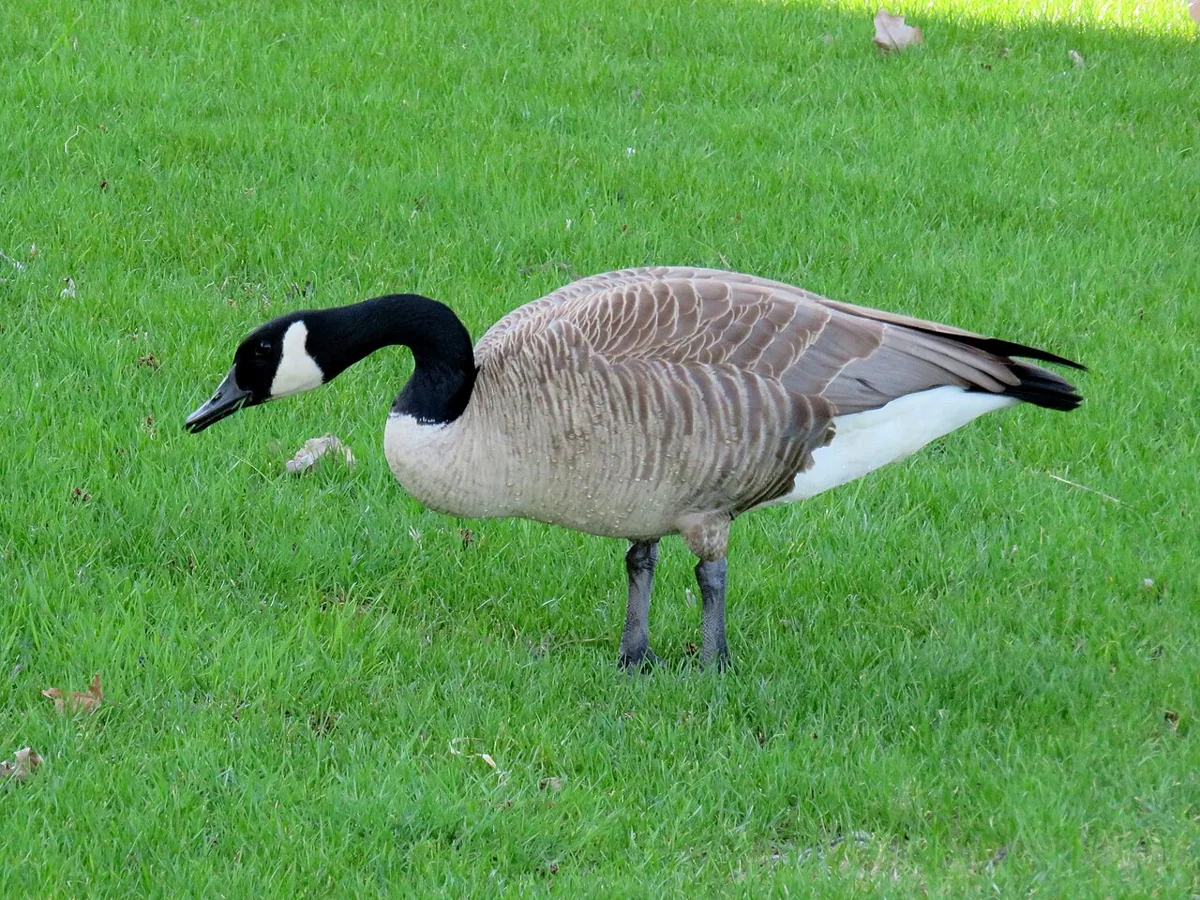
Two birders can describe the same species as arriving in different months and both be reporting their local experience accurately. They may live along different routes, at different latitudes or near habitats used at different stages of the journey. Migration is a population movement unfolding across time and geography. A date becomes meaningful when you know which part of that movement it describes.
For a neighborhood observer, the immediate task is to set a useful observation window. You want to know when to pay closer attention, where a passing bird might stop and how to compare this year’s visits with earlier ones. A broad seasonal pattern helps with that planning, while an exact promise of arrival can hide the variation you are trying to understand.
Which birds are moving?
Species differ in migration distance and strategy. Some move long distances, some move shorter distances, and some populations remain while others migrate. Birds may also shift elevation or move in response to food conditions. The word “migration” therefore does not imply that every bird in a species travels between the same two places at the same time.
Read a species account for the relevant region before borrowing a calendar from somewhere else. Purple Finches, robins and Canada Geese can show seasonal patterns that differ from a long-distance insect-eating migrant. A bird that remains visible in winter may belong to a resident population or to birds that arrived from farther north. Presence alone does not settle individual movement history.
Why does the seasonal window exist?
Migration connects birds with resources needed across the annual cycle, including food and suitable breeding conditions. Internal seasonal timing interacts with environmental conditions. Day length, weather, habitat and food availability can all be involved. A short explanation based only on escaping cold misses why some birds tolerate cold while others leave areas whose food has become difficult to obtain.
The details vary among species and populations. A change in insect activity, a fruit crop or conditions along a distant route may affect what you encounter locally. Those factors do not let you infer a precise cause from one quiet park visit. They explain why a seasonal expectation is a window with variation, rather than a scheduled delivery to each neighborhood.
Arrival, passage and first detection differ
Your first observation of the year is the first date you detected the bird. The individual could have arrived earlier while you were elsewhere or while it remained concealed. A local passage peak concerns a broader period when many migrants pass through. Arrival at a breeding destination concerns another part of the journey. Keep those events distinct in your notes.
A bird seen on one morning and absent on later visits may have been stopping briefly, but absence from your view does not prove departure. It could be feeding elsewhere in the area. Repeated observations and regional information provide a stronger basis for interpreting the pattern. A single bird is an encounter, and its larger journey may remain unknown.
The route shapes the calendar
A species can have populations using different pathways, with different timing. Mountains, coastlines, large bodies of water and available stopover habitat influence where movement becomes visible. An inland park and a coastal site at similar latitude may provide different views of the same broad migration. A calendar from a famous hotspot may therefore be a poor local prediction.
Use a map or weekly abundance resource to examine the region around you, then look at the actual habitat along your route. A small patch of trees can be useful to a migrant seeking food, while an open pond serves other groups. The geography tells you where the species may pass. The local setting helps explain whether your chosen stop offers something it can use.
Movement may happen while you sleep
Many migratory songbirds travel at night and spend daylight resting or feeding. Birds you find in shrubs during a morning walk may therefore be participating in migration even though you never see a sustained flight. Other groups move conspicuously by day. Do not expect every migrant to advertise its journey by flying steadily across your visible sky.
Weather can change when birds travel and where they pause, but casual observations cannot replace a forecast or predict safe conditions. Plan your own outing around current local weather and access information. If conditions are hazardous, choose a window view or another time. An unusual migration opportunity does not require you to stand outside during unsafe weather.
Compare visits with similar effort
Choose a short permitted route or a fixed viewpoint you can revisit. Record date, start time, duration and the part of the habitat covered. Add weather conditions that affected visibility or hearing. A twenty-minute quiet scan and a hurried two-minute crossing are different observation efforts, even if both produce a species list from the same park.
Look across several visits before interpreting a seasonal change. You may see an early individual, then a more active period, followed by scattered later birds. Avoid forcing every year into the same sequence. A missed visit during a short passage can create an apparent late arrival, while an unusually frequent observer may detect the earliest bird that others overlook.
Keep the distinction between a personal first sighting and a regional earliest report in the wording you share with others. They measure different observation histories.
Use the calendar to choose a question
Instead of asking exactly when a species will arrive, ask when local observations usually increase and which habitat is worth checking during that period. Consult current regional resources and retain the dates of the material you used. If you keep a personal log, compare your own records only after accounting for changes in effort, route and identification skill.
The resulting record might say that a species was first detected on a particular visit, with later observations supporting a short period of local presence. That description remains valid even when its exact arrival and departure are unknown. Over time, you will build a local seasonal picture that helps plan future walks while respecting the variability of the birds’ journeys.
Keep exploring
Read a range map as a starting point
Combine season, region and local habitat rather than treating a boundary as a fence.
Find the small habitats inside a city park
Plan an accessible observation route across lawn, edge and canopy.
Watch birds around a park pond
Observe water, shore and vegetation without assuming all waterbirds are ducks.