
Behavior
What to notice when birds bathe
Observe sequences and water use without inventing motives.
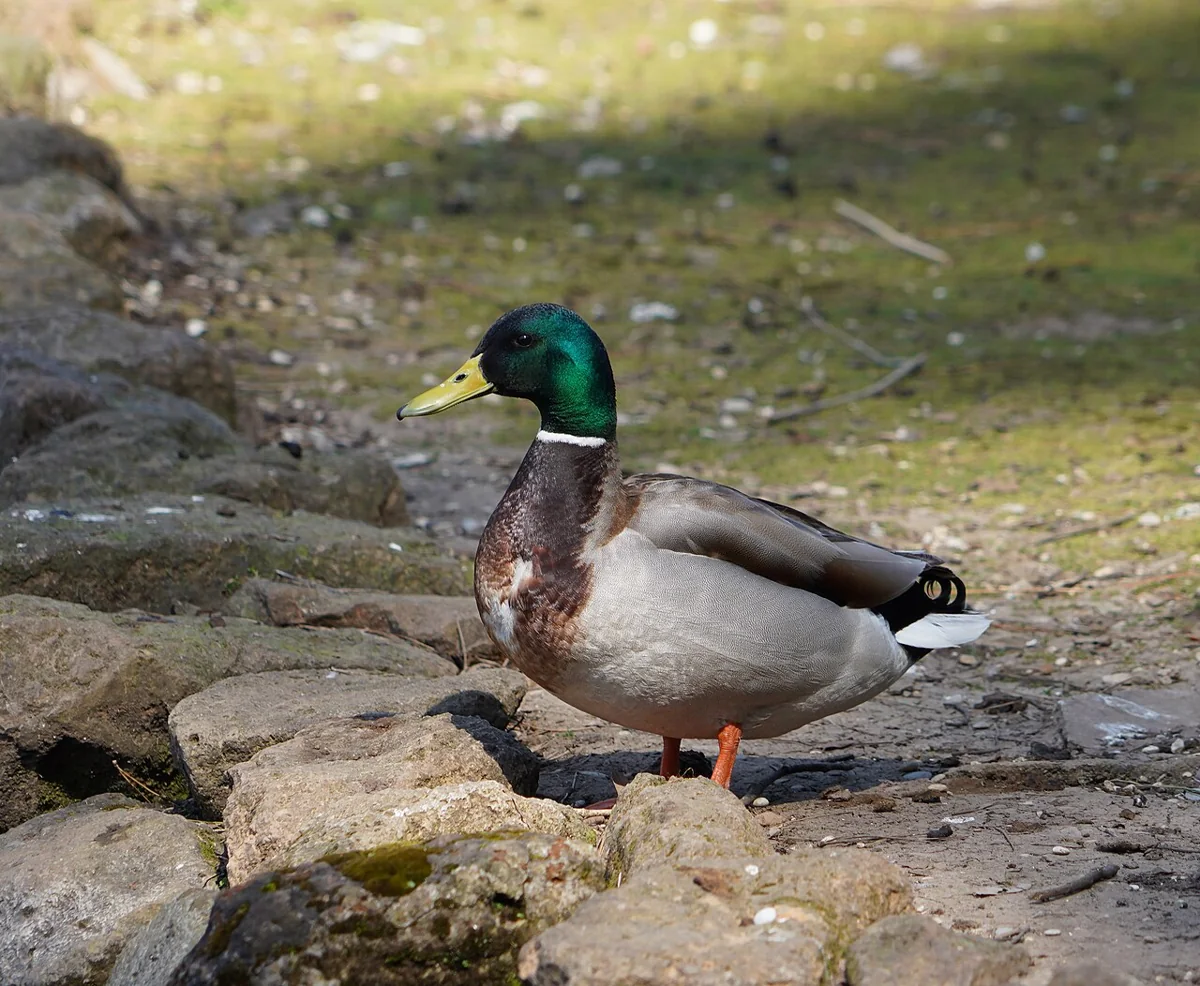
A bird at the edge of a puddle may pause for longer than it spends in the water. That pause is part of the observation. Watch the whole sequence from a comfortable distance, including arrival, movements at the water and what happens afterward. A bathing encounter can show behavior clearly without requiring you to infer exactly what the bird feels or why it chose that moment.
Feathers require regular maintenance. Bathing and preening contribute to that care, and different birds use water, dust or wet vegetation in different ways. The visible movements can vary substantially between species and individuals. A quiet bird standing in water and a small songbird splashing vigorously may both be using the water, so begin with a description of the actions.
Start before the first splash
Choose a viewpoint that lets birds approach without needing to pass close to you. Stay on a permitted path or watch from a window when possible. Note the setting, such as a shallow puddle, pond margin or water collected on leaves. Include the nearby cover and where the bird first stopped. These details explain the scene without claiming that you measured its safety.
A bird may look around, approach in stages or leave before entering. Record those actions without treating every pause as fear of a predator. You may not see what it was attending to, and your own position can influence the encounter. If birds repeatedly interrupt their approach after noticing you, increase your distance and allow them an open route. A more distant view can preserve the sequence you wanted to study.
Describe the movements in order
Watch the head, body and wings separately. A songbird may lower its body, dip its head and flick water upward with quick movements. Feathers can become ruffled as the bird works water through its plumage. Another bird may make several brief entries with pauses between them. Count those repetitions only if doing so does not prevent you from noticing the broader pattern.
Write the sequence in simple verbs. “Entered shallow water, dipped head twice, fluttered wings, then moved to the branch” records more than “enjoyed a bath.” The first account remains useful even if you later learn that the species usually bathes differently. The second adds an interpretation that you cannot verify from the movements alone. A descriptive note is also easier to compare with a later encounter.
Keep drinking and bathing observations separate
A bird may drink during the same visit, but a visit to water does not establish bathing. Look for the actual movement of the bill, body and wings. If you only saw the bird lower its head behind a rim, describe that limited view. Do not turn an obscured action into a confident account of drinking or feather washing merely because both could occur there.
Some birds combine several activities before leaving. You can record them as separate parts of one encounter, with gaps where the view was blocked. A short video may help review the order if it can be taken without approaching. Keep the original observation date with the file. When the sequence remains ambiguous, the note can say that water use was observed but its exact form was unclear.
Follow the bird after it leaves the water
After bathing, birds often move to a nearby perch and preen. They may shake, rearrange feathers or work through them with the bill. If your view continues, note whether these movements follow the bath and how long you watched. Avoid treating the end of your observation as the end of the bird’s behavior. It may simply have moved beyond your line of sight.
Preening is a broader maintenance activity that also occurs independently of bathing. It helps align and clean feathers, while molt replaces feathers through a separate process. A bird working its bill through its plumage is not thereby demonstrating that it is molting. For a behavior record, the visible action and its sequence are sufficient. More specific biological explanations require additional evidence.
Recognize alternatives to a water bath
House Sparrows and some other birds also dust-bathe. A bird can settle into fine dry material and move its body and wings through it. The movements may resemble water bathing, but the setting and material are different. Watch from the same respectful distance you would use at a puddle, and record what the bird actually did rather than assuming that all ground fluttering is dust bathing.
Wet leaves can provide another bathing surface. Some birds use droplets held on vegetation, so a bird moving among damp leaves may be doing something you would miss by watching only open water. The sources describe a variety of methods across bird groups. They do not imply that every local species uses every method, or that one observed method is the exclusive way that bird maintains its feathers.
Compare sessions without inventing a cause
If you observe the same place repeatedly, keep a few comparable details. Record time, visible water conditions, which species appeared and the behavior sequence. You may notice that bathing differs between visits. A change could involve weather, disturbances, birds present or factors you did not observe. A small private log can reveal questions worth studying without proving which factor caused the difference.
Distinguish the number of visits from the number of birds. A bird that leaves for a nearby branch and returns can produce multiple bathing entries. Unless you can distinguish individuals, repeated entries do not establish a larger population using the site. A useful note might say “three bathing visits, individual identity uncertain,” preserving the observable repetition while keeping the count appropriately bounded.
Let a quiet observation remain quiet
Keep cameras, people and pets from blocking the approach or surrounding a resting bird. A closer image is rarely necessary to document the broad sequence. Avoid arranging the bird’s movements or following it from perch to perch. The same restraint helps you see what happens when the bird can choose its own route between cover, water and its next stopping place.
At the end, summarize one thing you could describe clearly and one question still open. You might know the order of splashing and preening while remaining unsure whether two visits involved the same individual. That is a complete and honest observation. Over time, repeated descriptions will give you a more detailed picture of familiar birds than a quick label attached to a single splash.
Keep exploring
Watch how a bird finds its food
Recognize gleaning, probing, ground feeding and aerial pursuit.
Drumming is more than a woodpecker finding food
Distinguish display drumming from feeding sounds and avoid false acoustic IDs.
Make sense of a mixed flock
Follow movement layers and separate species without chasing the flock.