
Behavior
Why small birds mob a larger bird
Interpret alarm gatherings without approaching or exposing a predator.
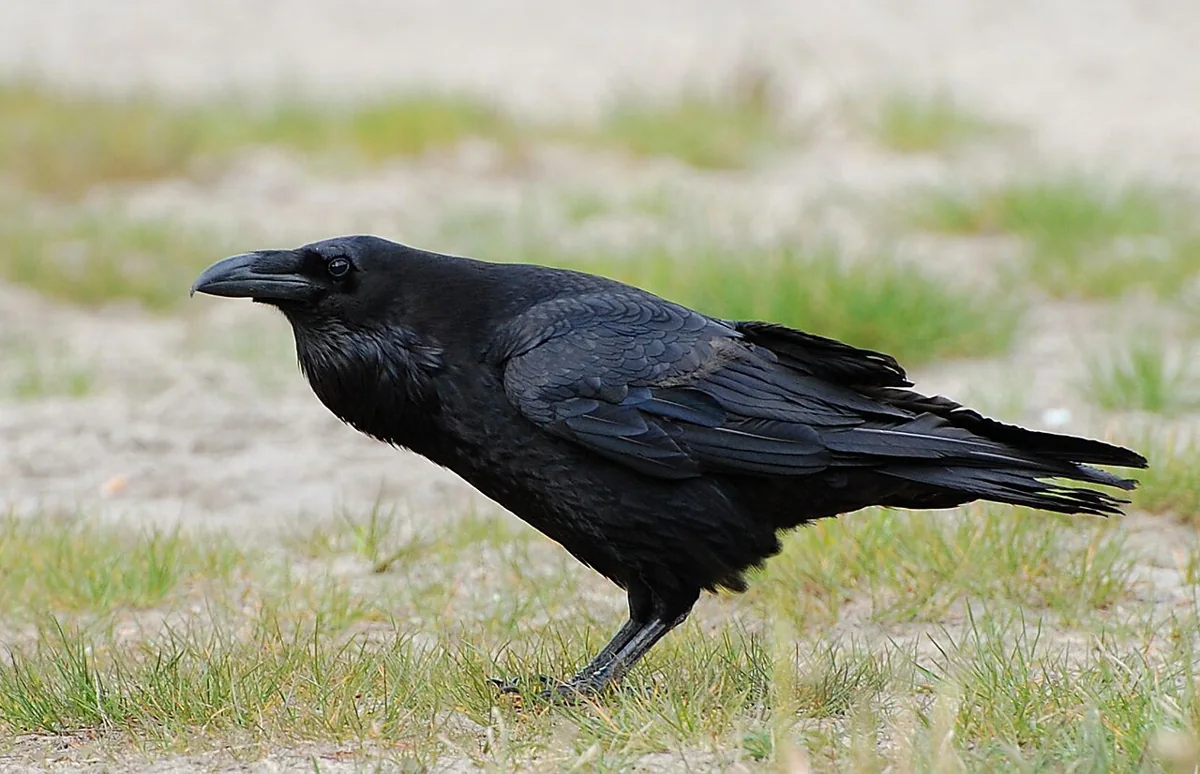
A group of noisy birds may direct its attention toward one branch, then repeatedly approach a larger bird resting there. This can be mobbing, a response in which birds confront a perceived threat. The sound and movement can be dramatic, but the most responsible observation often happens from the place where you first noticed the activity.
Is the encounter a chase over food, a response to a perceived threat, or a mixture of interactions? Mobbing can bring several species together and may continue around a stationary target. Hawks, owls and other birds can attract this response, including some species that are unlikely to prey on the birds confronting them. Describe the participants and their shared focus before assigning a label or interpreting the target’s intentions.
Look for a shared focus
Pause and watch where the birds direct their movements. A flock feeding through branches may produce many calls while gradually moving onward. A mob may repeatedly face or approach a particular point, with birds changing position around it. A territorial chase can involve one bird driving another away. These patterns can overlap, so start with the visible sequence before deciding which label fits.
You may never see the target. Dense foliage can conceal a resting owl or another animal while the smaller birds remain obvious. A note such as “several birds calling toward a hidden point” is a complete description of that view. Moving into the vegetation to expose the target would change the encounter and can add disturbance to an already demanding situation.
Understand the possible benefit
Drawing attention to a predator can reduce its ability to make a surprise attack, and collective harassment may encourage it to leave. Calls can also alert other birds and bring additional participants. More birds watching and reacting can change the balance of an encounter. These are explanations for why mobbing can be advantageous despite the apparent risk of approaching danger.
The behavior still carries risk. A small bird confronting a predator is not protected by an absolute rule that the larger bird will never respond. Different species, settings and stages of the encounter can produce different outcomes. Avoid interpreting the behavior as a harmless game or adding your own presence to make the target move for a photograph.
Expect variation between seasons and places
Nest defense can make mobbing conspicuous during breeding, but the behavior also occurs at other times. A resting owl can attract attention outside the nesting season. The combination of participants, available energy and perceived threat can vary. A noisy spring encounter in one park does not provide a calendar for all species or predict what you will see in winter.
A study of songbirds responding to Northern Pygmy-Owl calls in western Oregon found that responses varied seasonally and with the birds present. That result concerns a particular community and research design. It illustrates why a general explanation should leave room for local conditions. It does not provide a reason for a visitor to repeat the experiment with a phone speaker.
Separate sound from a species verdict
A burst of alarm-like calls can help you notice an event, but many birds have several vocalizations and some sound similar across species. Identify visible participants individually where possible. If the source of a sound is hidden, retain it as an unresolved sound. One familiar jay in the scene cannot account automatically for every call coming from the trees.
Keep track of movement as well. Birds can repeatedly cross your view, making a small group seem larger. A minimum number seen together is often easier to support than a total assembled from every appearance. If you are mainly watching the behavior, a broad estimate with a clear limitation may be sufficient for your private note.
Decide when to increase your distance
Stay on an established route and keep the target’s possible escape paths open. If the activity is concentrated beside the path, pause farther away or choose another route. Do not surround the site with other observers. Your ability to see the birds may improve less than the disturbance increases as people gather near a resting animal.
A bird turning its attention toward you, changing position repeatedly as you approach, or interrupting its previous activity gives you a practical reason to back away. You do not need to know precisely how stressed it is to choose more space. If a bird begins directing defensive behavior at you, leave the immediate area calmly rather than trying to locate a nest.
Avoid creating the event you wanted to observe
Playback of predator or alarm sounds can provoke responses and attract birds away from their ordinary activities. It also changes the circumstances you would later be describing. For an ordinary neighborhood observation, watch naturally occurring behavior and leave recordings for study away from the birds. The resulting note will describe an encounter you witnessed without deliberately manufacturing it.
Likewise, avoid pointing out a concealed resting bird by approaching, shaking vegetation or making repeated noise. If another visitor asks what is happening, explain from your existing viewpoint and keep sensitive details general. A broad description of a behavior can be shared without directing a crowd to the exact branch where an owl is trying to rest.
Keep pets controlled throughout the encounter. An additional animal approaching beneath the birds can change their response and obscure the natural interaction you were trying to understand.
Write the sequence and its limits
Record the participants you recognized, their focus, and what changed during the time you watched. A hypothetical note might describe two chickadees and a nuthatch repeatedly calling toward a concealed trunk cavity, with the target unseen. Another might document a visible hawk departing after several birds approached. Keep those observed endpoints separate from assumptions about why the hawk chose to leave.
Finish with your observation conditions. Include approximate duration, distance and any point where your presence appeared to affect the birds. If you left before the encounter ended, say so. A bounded account helps you understand the behavior later while preserving the birds’ opportunity to continue without an audience pressing closer. The unexplained part can remain an open question.
Keep exploring
Watch how a bird finds its food
Recognize gleaning, probing, ground feeding and aerial pursuit.
Drumming is more than a woodpecker finding food
Distinguish display drumming from feeding sounds and avoid false acoustic IDs.
Make sense of a mixed flock
Follow movement layers and separate species without chasing the flock.