
Behavior
Preening, ruffled feathers and molt
Distinguish feather maintenance from replacement and avoid diagnosing illness.
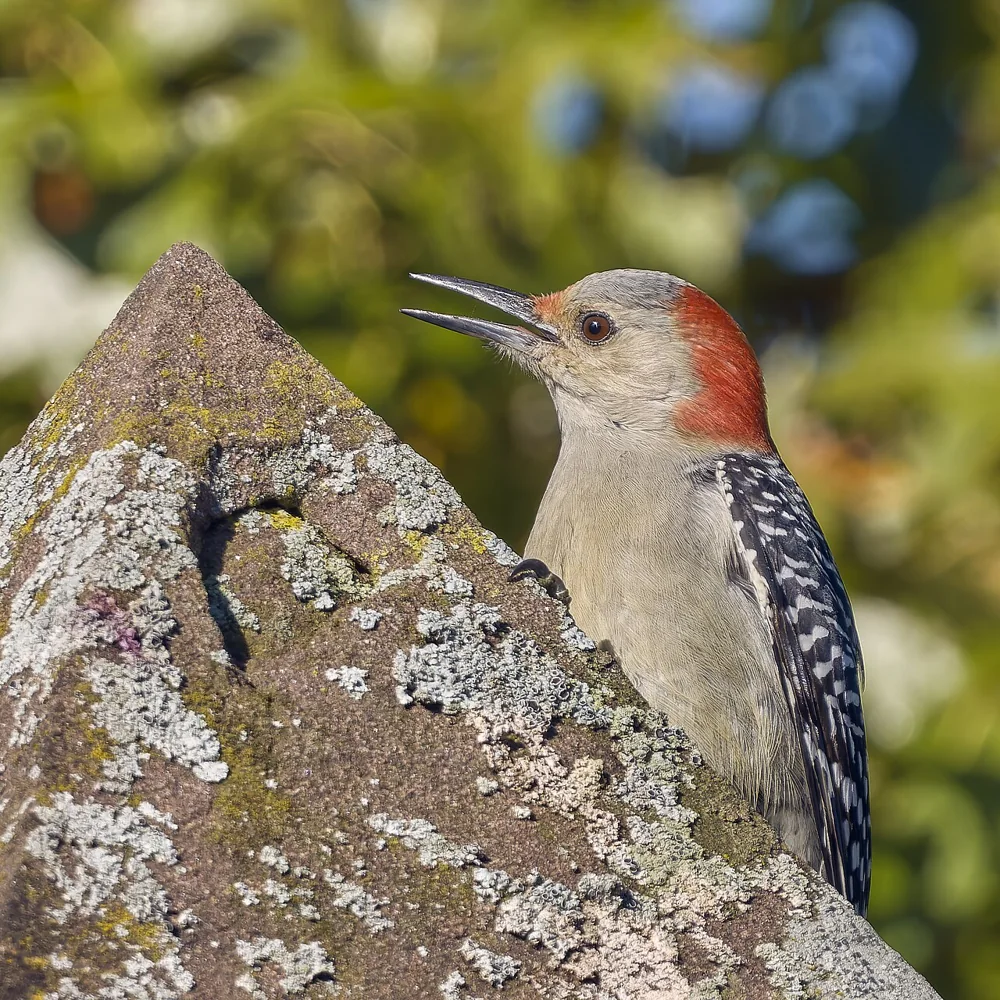
A bird that looked sleek a moment ago can become a loose ball of feathers, turn its head backward and work carefully along one wing. Another individual may show uneven feather edges for days. These observations can involve different processes. Preening maintains existing feathers, molt replaces them, and temporary feather position changes the outline without replacing anything.
Separating those processes helps you interpret an ordinary park view. It also protects you from making a health diagnosis from appearance alone. A ruffled bird may simply have changed posture, while an unfamiliar plumage can reflect age, season or feather wear. Describe the visible condition and action first, then decide which explanation the available evidence can support.
Preening works on feathers already present
During preening, a bird uses its bill to manipulate feathers and maintain their condition. The action can realign feather structures and remove some dirt or other material. You may see repeated movements along a wing, chest or back, with pauses to change position. The same bird can become visibly smoother after a short bout of this activity.
Watch one area long enough to follow the action. A bird running its bill along several feathers gives you a direct maintenance observation. If a branch conceals the contact point, you can describe the head movement without claiming exactly which feathers were treated. Preening can occur after bathing, but it also occurs independently, so the action does not prove that a bath happened out of view.
A change in outline can be temporary
Feathers can stand away from the body or settle close to it. That changes a bird’s apparent size, shape and the way patches meet. A sleek bird and a puffed bird can look like different individuals in photographs taken seconds apart. Before judging a physical difference, check whether the bird changes its outline naturally during the encounter.
Keep the posture attached to the description. “Body feathers fluffed while perched” is more precise than “unusually large.” If the bird then stretches or preens, note that transition. Avoid assigning a motive unless the evidence supports it. Several circumstances can accompany a ruffled appearance, and an observer watching from a path may lack the information needed to distinguish them.
Molt involves feather replacement
Feathers wear and must be replaced. Molt is the process through which new feathers grow as old feathers are lost. Its timing and extent vary among species, ages and parts of the plumage. Some changes are conspicuous, while others are difficult to recognize from a casual view. A rough appearance by itself does not establish where an individual is in its molt cycle.
Repeated observations may reveal a pattern of changing feathers, but they still need cautious interpretation. You may be seeing different birds, especially in a mobile flock. Photographs that preserve the date and view can help compare appearances. A specialist reference is appropriate for detailed aging or molt assessment, particularly when the distinction depends on individual feather generations.
Wear can change color without new growth
The visible appearance of a feather changes as it ages. Pale edges can wear away, exposing darker or brighter areas underneath. European Starlings offer a familiar example, with conspicuous pale spotting in fresh plumage becoming less obvious as feather tips wear. A change in spotting therefore need not mean that the bird just replaced all of those feathers.
Compare a seasonal account for the species before deciding which mechanism is involved. Some birds change strongly through molt, while wear contributes to the appearance of others. American Goldfinches have conspicuous seasonal plumages that can surprise a beginner. Keep the structural clues and species context in view while learning what the feather changes mean.
Place can change along with plumage
Birds do not always replace feathers in the place where they nested. Research on molt-related movements has shown that location can be part of the annual cycle. This adds another reason to avoid treating a quiet late-summer patch as proof that all its birds have vanished. Some may be using cover differently, while others may have moved.
The broad principle does not provide an exact schedule for the birds around your home. Different species and populations can follow different patterns. A single short visit cannot distinguish movement from reduced detectability. Record your date, effort and observation setting, then compare repeated visits with a suitable seasonal resource instead of assuming one explanation for the entire neighborhood.
Distinguish observation from a health assessment
A missing-looking patch, an uneven wing or prolonged inactivity can raise questions, but ordinary observation may not identify the cause. Feather position, molt, damage and other conditions can produce superficially similar appearances. Avoid announcing that a bird is healthy or ill solely from one photograph. Describe the sign and the behavior you could actually observe.
If a bird appears injured or in immediate difficulty, keep people and pets away and seek guidance from an appropriate local wildlife authority or licensed rehabilitator. Follow their current instructions before attempting intervention. An educational guide to feather maintenance cannot supply a diagnosis or a universal handling procedure. Your exact location and description can help the local service advise you.
A photograph of the same body area from another angle can distinguish overlapping feathers from an apparently bare patch. Keep both views together, with an explanation of whether the bird changed posture between them.
Use a change-focused field note
For a short maintenance observation, record the body area, repeated action and visible change. A hypothetical note could describe a robin working its bill along chest feathers, shaking and then appearing smoother. If you suspect molt, state the features that prompted that thought and keep uncertainty explicit. This preserves a question that a clearer photograph or later reference can address.
When comparing dates, confirm whether you can recognize the same individual before writing a personal history. Otherwise describe the birds present on each visit. The useful outcome is a record that distinguishes action, temporary appearance and longer-term feather change. Those distinctions let familiar birds remain recognizable while you learn how much their plumage can vary.
Keep exploring
Watch how a bird finds its food
Recognize gleaning, probing, ground feeding and aerial pursuit.
Drumming is more than a woodpecker finding food
Distinguish display drumming from feeding sounds and avoid false acoustic IDs.
Make sense of a mixed flock
Follow movement layers and separate species without chasing the flock.