
Behavior
Songs, calls and the limits of the labels
Understand vocal functions without rigid louder/longer rules.
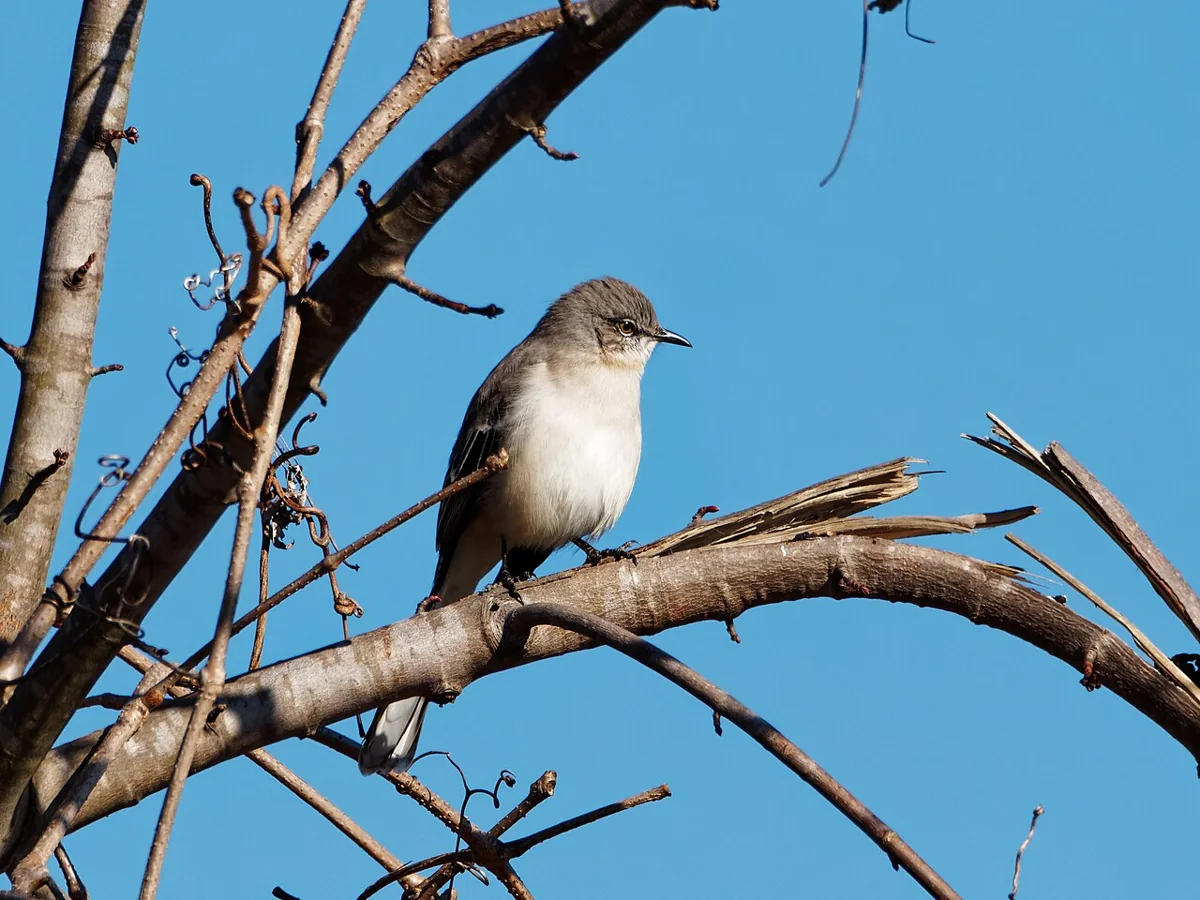
A robin can give a flowing sequence from a high perch and a sharp note while moving through the same tree. Both sounds belong to the bird, but they may serve different purposes. The usual distinction between song and call helps organize that variety. It becomes more reliable when you consider the behavior and context alongside the sound’s shape.
Length and musical quality offer clues, but they do not define the categories perfectly. Some songs are brief or harsh to human ears. Some calls form complicated sequences. References can also differ in their terminology. A useful listening note therefore records the sound you heard before adding a functional label that the observation may not fully support.
Song often concerns territory and mating
Birdsong commonly helps advertise or defend a breeding territory and attract a mate. A bird may deliver the sequence repeatedly from a conspicuous position, or combine it with a display. The song can be a sustained activity in its own right. These functions explain why singing becomes especially noticeable for many species during the breeding season.
A long melody is one possible form. Other birds produce a short, buzzing or rough performance that fulfills a similar role. Human judgments about beauty do not determine whether a sound functions as song. When studying a new species, use a reliable account to learn which vocalizations are described as songs and how their use fits the bird’s behavior.
Calls cover many kinds of communication
Calls can help birds maintain contact, respond to danger, beg for food or coordinate activities. Both sexes and young birds can produce them, and some are heard throughout the year. A short note from an unseen bird may be a call, but its particular meaning can remain unclear. Several contexts can produce sounds that seem similar to a beginner.
The context changes what you can reasonably infer. Repeated notes while birds move together may suggest contact. An abrupt change when another animal appears may suggest an alarm response. Neither observation authorizes a word-for-word translation. Describe the sequence and the visible situation, then check whether a species account supports the proposed interpretation.
One bird can have a substantial repertoire
Knowing a species’ best-known song does not mean you know all of its sounds. Northern Cardinals, for example, give familiar whistled songs and a variety of calls. Black-capped Chickadees also use several kinds of vocalization. A bird producing an unfamiliar note may belong to a species you already recognize by another sound.
This is one reason to learn labeled examples in groups. Compare the song, contact calls and other commonly described sounds of one local species before moving to a long list of species. Watch a visible bird vocalize when possible. The direct connection can help you avoid treating every new sound as proof that another species has arrived in the park.
Keep sex and season open until supported
Males sing prominently in many temperate species, but females also sing in some birds. A singing cardinal need not be male solely because it is singing. Seasonal patterns also have exceptions. Some birds defend territories beyond the breeding season, and migrants may produce song away from their breeding grounds. An isolated song does not locate a nest.
If sex matters to your record, use supported visual or vocal distinctions for that species. If those distinctions were unavailable, record the singer without assigning sex. Keep the date and place so the observation can be interpreted within a seasonal pattern later. General expectations help you ask questions, while the individual bird still needs evidence.
Hear the structure before choosing a name
Listen for repeated units, changes in pitch, rhythm and the quality of the sound. Does the sequence stay even, alternate two phrases or end in a trill? Is it clear-toned, buzzy or rattling? These descriptions apply whether you later call the sound a song or a call. They preserve an acoustic impression that a label alone would lose.
Try to separate different sources. A song from the canopy and a short note from shrubs may come from two birds. Even a clear recording can contain several species at once. If you connect a sound to a visible bird, record that connection explicitly. If you only suspect the source, keep the attribution provisional until another view or recording helps.
Use a description, context and interpretation
Organize a note into three parts. The description covers what the sound was like. The context covers what you saw the bird doing. The interpretation offers a cautious functional category. A hypothetical example might describe an evenly repeated whistle phrase from a cardinal on a high exposed branch, followed by the interpretation “likely song.” The visible position and repetition give the interpretation a basis.
A different note could describe a single sharp chip while a bird moved behind dense leaves, with the function unresolved. That record is still useful. It avoids making the absence of context disappear beneath a confident “alarm call” label. Later study might connect it with a known sound type, or the original encounter may remain too brief to resolve.
If you record the sound, retain a short interval before and after it. Those surrounding seconds can reveal another caller, a moving flock or a change in activity that a tightly trimmed clip would conceal.
Allow reference terminology to differ
Writers and researchers do not always apply the same labels, particularly outside familiar songbird groups. You may find a vocalization called a call in one source while another discusses a song-like territorial role. Read the explanation and compare the actual sound. The underlying behavior can be more informative than an argument over which single term must be correct.
Mechanical sounds add another category. A woodpecker’s drum can serve a signaling role similar to song while being made by bill strikes rather than the voice. Describe how the sound is produced when you know it. By keeping sound, behavior and proposed function connected, you can understand what you hear without expecting every bird’s communication to fit one simple acoustic rule.
Keep exploring
Watch how a bird finds its food
Recognize gleaning, probing, ground feeding and aerial pursuit.
Drumming is more than a woodpecker finding food
Distinguish display drumming from feeding sounds and avoid false acoustic IDs.
Make sense of a mixed flock
Follow movement layers and separate species without chasing the flock.